
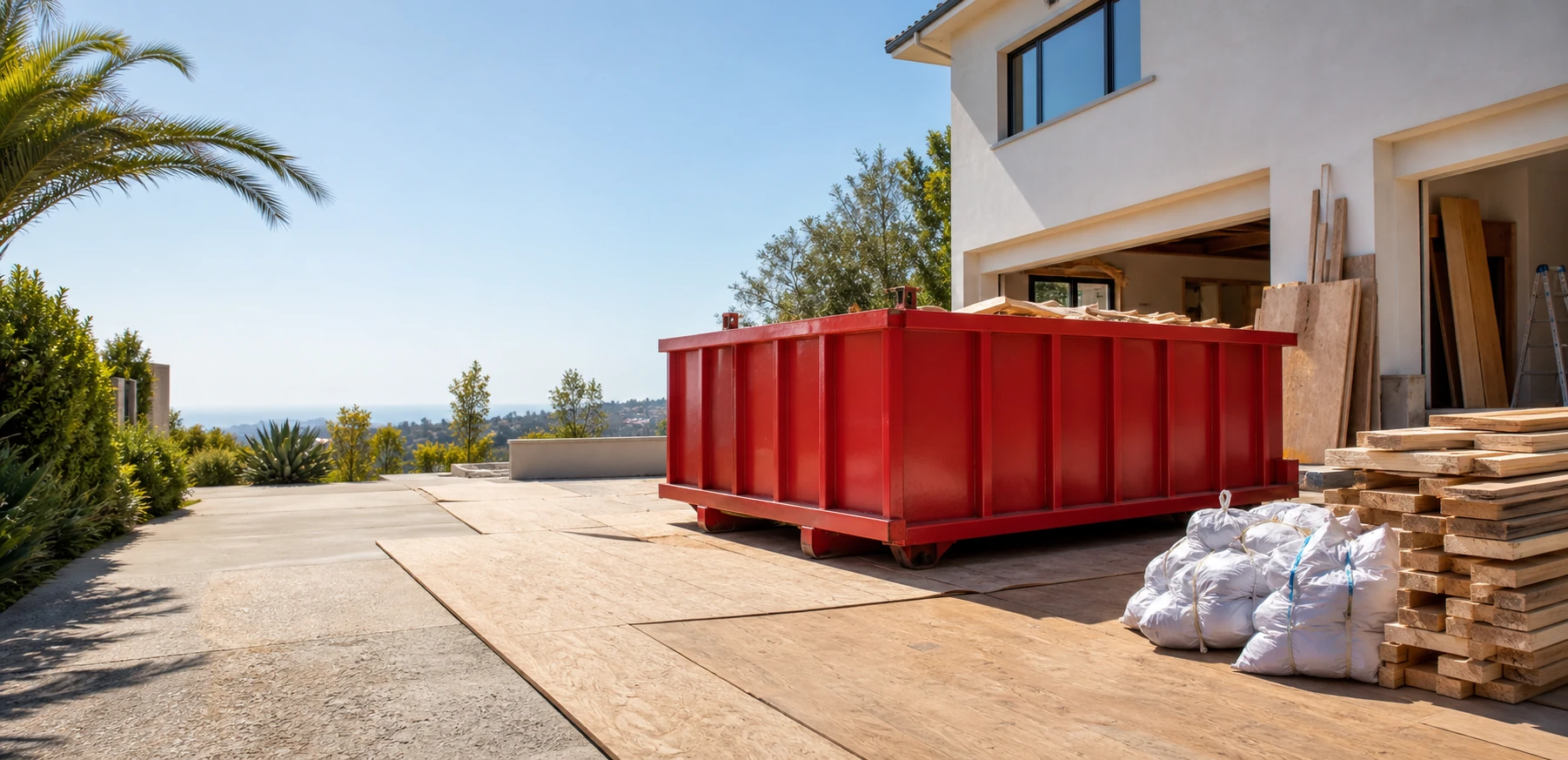
1. Share the job details
Give us the exact address, work phase, debris list, amount, weight, requested dates, placement, and truck access.
Rent a roll-off dumpster for debris that you or your crew loads. Haul’n Off brings the container to the jobsite and picks it up under the written quote. Tell us the job address, work phase, debris, amount, weight, placement, access, and requested dates. We will review the job and prepare a written quote.
You load it. We haul it. We check each job first.
A request starts the review. The written quote must confirm service, price, dates, container, pickup, and other job terms.
Temporary customer-loaded construction dumpster rental means Haul’n Off brings a roll-off container to the approved spot. You or your contractor loads it. Haul’n Off picks it up under the written quote. Keep the truck path open for both visits.
You load the bin. We do the road work.
This is not a cleanup or demolition crew. It is not junk-removal labor, weekly trash service, or a public dump. Public disposal sites have their own rules, fees, hours, and material limits. Haul’n Off does not run a public disposal site.
For a simple guide to the container, read what a roll-off dumpster is.
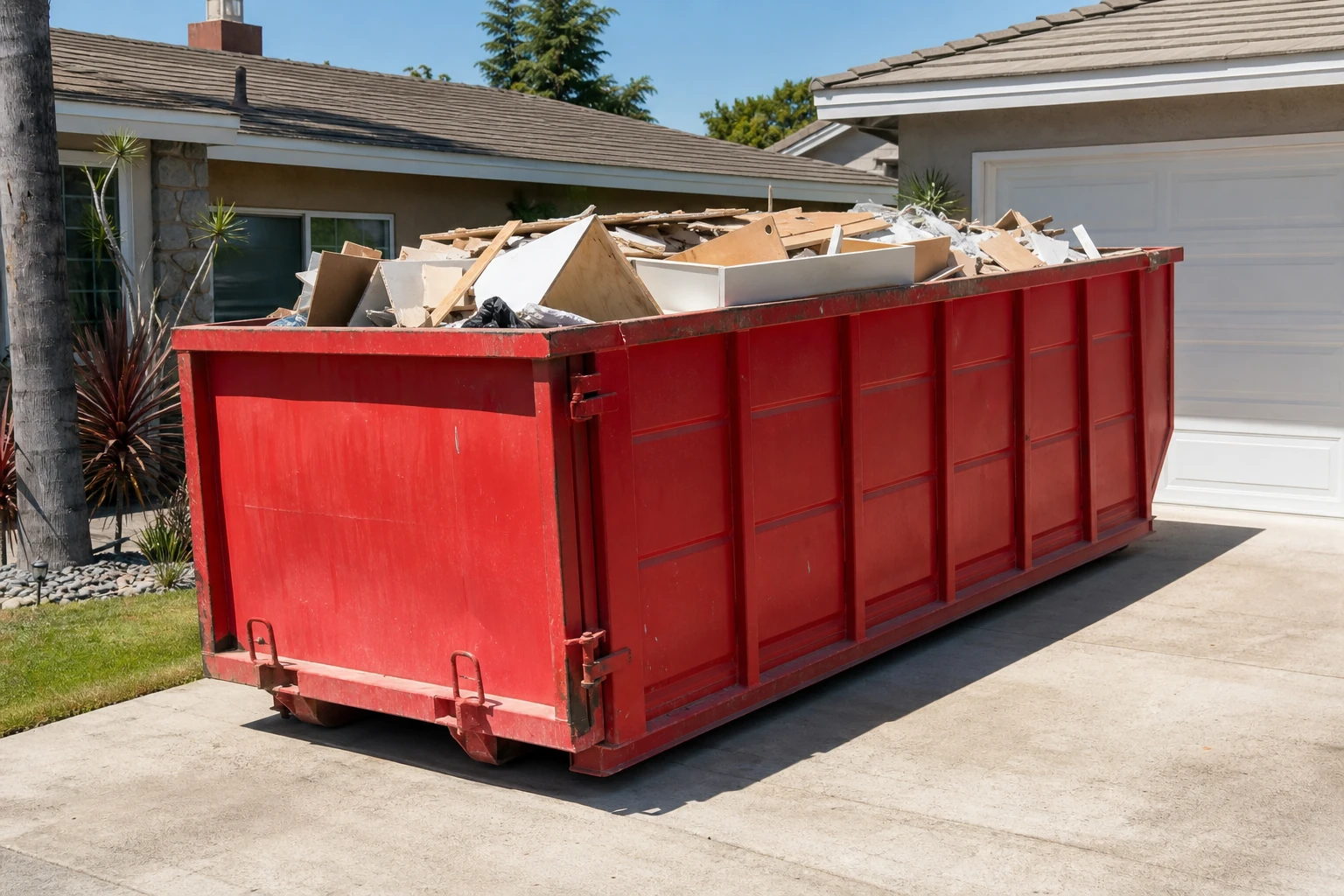
Give us the exact address, work phase, debris list, amount, weight, requested dates, placement, and truck access.
Haul’n Off checks the debris, weight, and dumpster choice. We also check the spot, truck path, address, and what is on hand.
The quote lists the container, rental period, allowed debris, charges, and job terms. It also covers delivery and pickup.
Haul’n Off delivers the confirmed roll-off. You or your crew loads only the debris named in the quote. Keep the truck path clear.
Ask for pickup when the load is ready. If you may need another container, make a new request. Pickup or another container needs route, schedule, equipment, and written approval.
Direct answer — construction waste disposal: With this rental, you load the approved debris. Haul’n Off picks up the roll-off under the written quote. The service does not include tear-out, loading, cleanup, recycling service, or public drop-off access.
No one size fits every job. Start with the debris, amount, weight, and work phase. Then check the set-down space, truck path, and rental period. Heavy debris may reach a weight limit before a container looks full.
Start with the load, not the bin.
The 15-yard is an active general-debris choice. It may fit when the reviewed debris, amount, weight, placement, and rental terms allow it. It is not a fixed fit for every project.
Compare the 15-yard dumpsterThe 20-yard may fit some construction or roofing loads. The debris, roof details, total weight, access, and quote terms decide the fit.
Review the 20-yard dumpsterThe 30-yard gives you more room for approved general debris. It may suit a larger remodel, addition, home project, or tenant update. It does not take heavy material.
Review the 30-yard dumpsterThe 40-yard gives you more room for bulky, lighter approved debris. The debris, weight, placement, access, and quote terms still control the fit. It does not take heavy material.
Review the 40-yard dumpsterConcrete, dirt, asphalt, brick, block, stone, pavers, tile, soil, and rock need advance review. If approved, they use only the 10-yard lowboy. Do not put heavy material in a 15-, 20-, 30-, or 40-yard dumpster. Wait for the written quote before loading.
Read the 10-yard lowboy rulesDirect answer — size: Haul’n Off has 15-, 20-, 30-, and 40-yard dumpsters for approved general debris. A 10-yard lowboy may take approved heavy debris after advance review. The right size depends on the debris, amount, weight, work phase, space, truck access, and rental period.
For a side-by-side view, use the dumpster size guide.
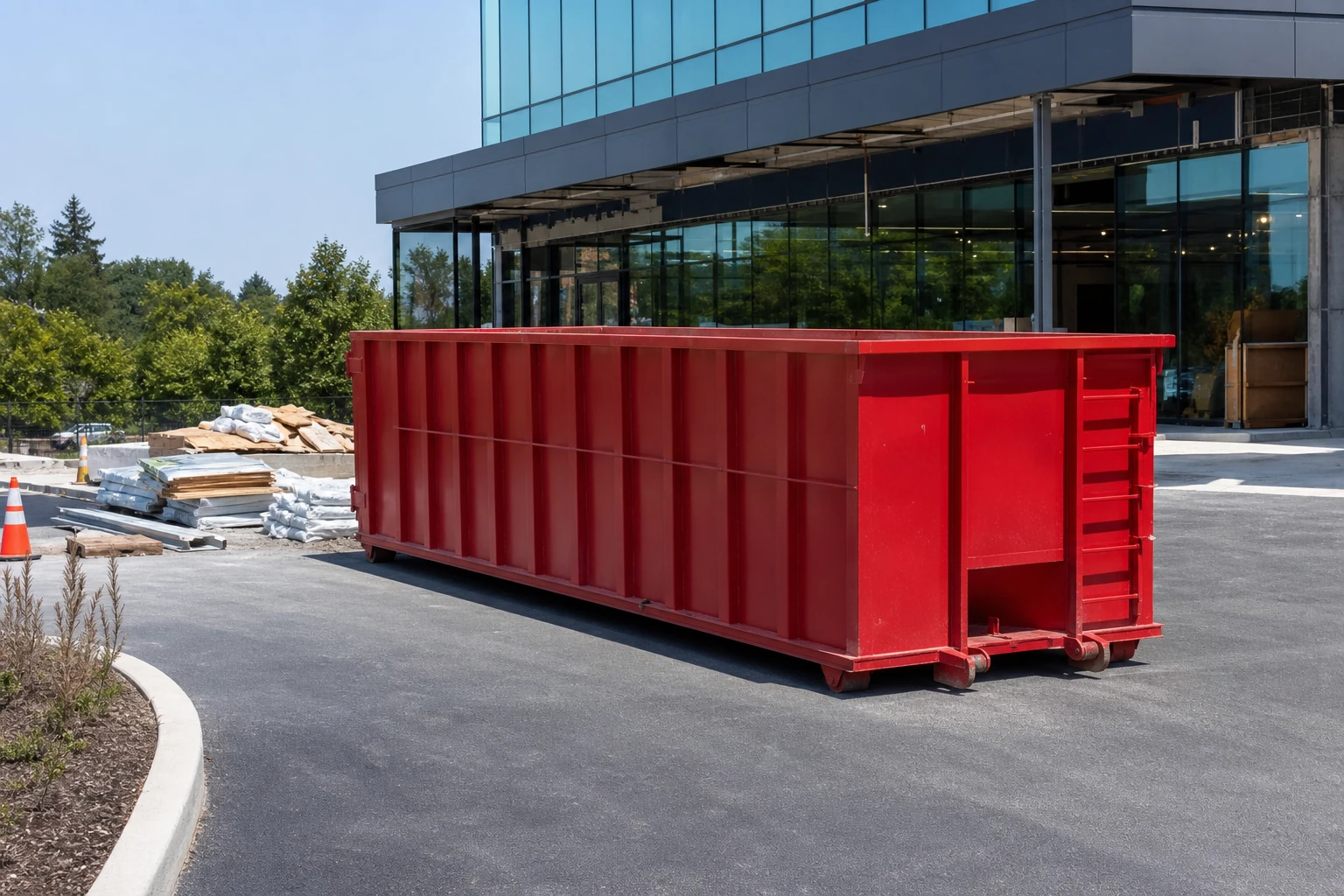
A job can create different debris in each phase. A kitchen remodel, roof tear-off, addition, build-out, or demolition phase may need a different plan. List each kind of debris before loading.
Tell us the work phase, debris, amount, weight, and any unusual items. The rental gives you a container for approved debris. It does not include tear-out, loading, cleaning, or removal labor.
For a roof job, share:
One shingles-per-container rule will not fit every roof. The debris and total weight decide the choice.
Tell us what will come off the roof.
A dumpster can hold approved debris from a demolition phase. The rental does not include demolition labor. List every kind of debris and its expected weight before choosing a size.
This page covers temporary roll-off containers for construction and tenant updates. It does not offer permanent front-load dumpsters or weekly business trash pickup.
Allowed debris depends on the job. A common project name or container size does not approve a load. The written quote lists the debris you may load.
When in doubt, ask before you load.
Remodel, construction, and roofing debris may be reviewed for a general-debris container. Mixed loads and unusual items also need review. Heavy material does not go in a general-debris container.
Concrete, dirt, asphalt, brick, block, stone, pavers, tile, soil, and rock need advance review. If approved, they go only in the 10-yard lowboy. The written quote must name the debris and load terms before loading.
Use the concrete dumpster rental guide when concrete drives the job. Use the dirt dumpster rental guide when dirt drives it.
Do not load:
Ask about wet, dirty, controlled, unknown, or unusual material before loading. Check the full prohibited-items guide for more help.
Direct answer — materials: What you can load depends on the exact debris, its condition, its weight, and the container. Give us the full list before loading. The written quote confirms what is allowed.
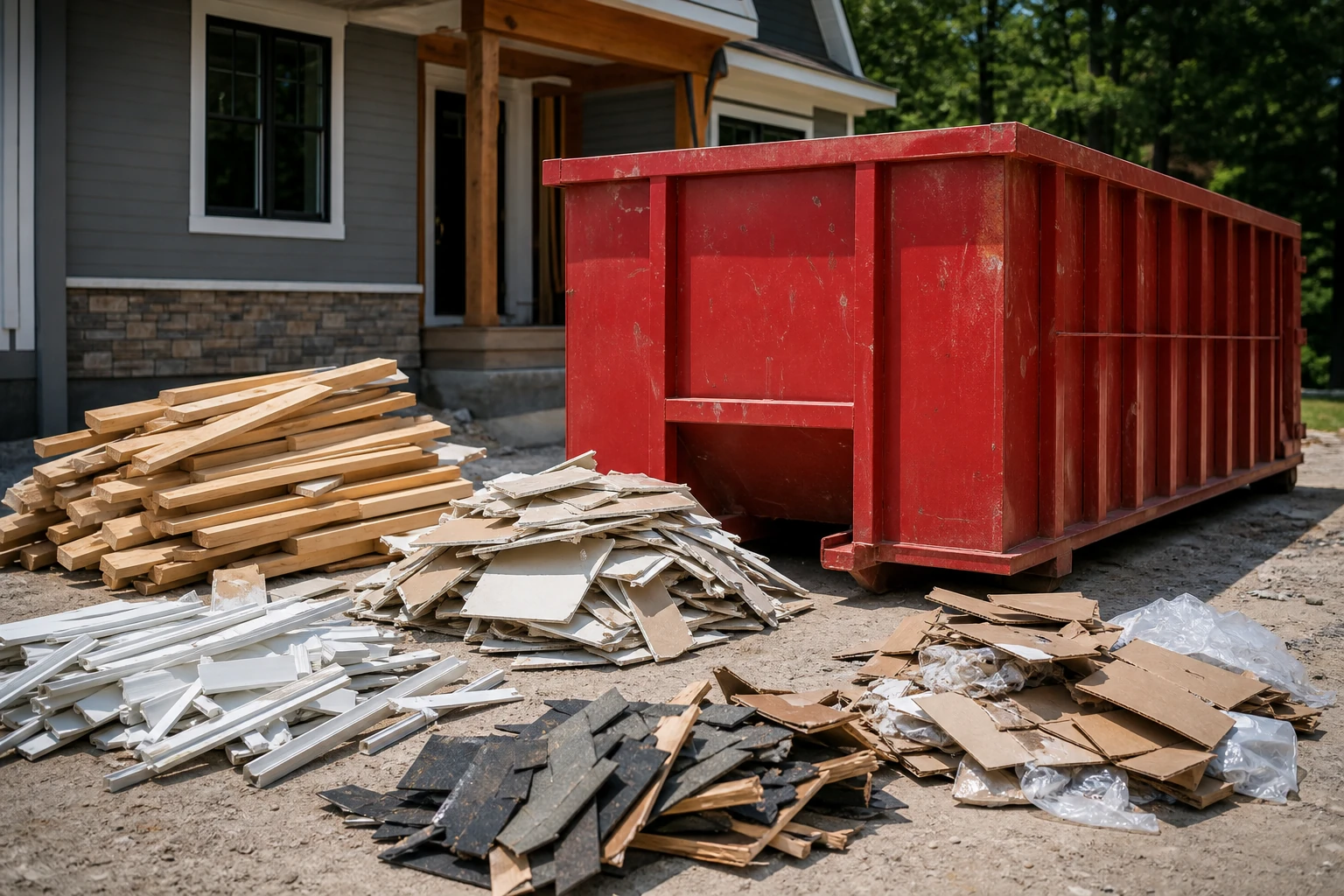
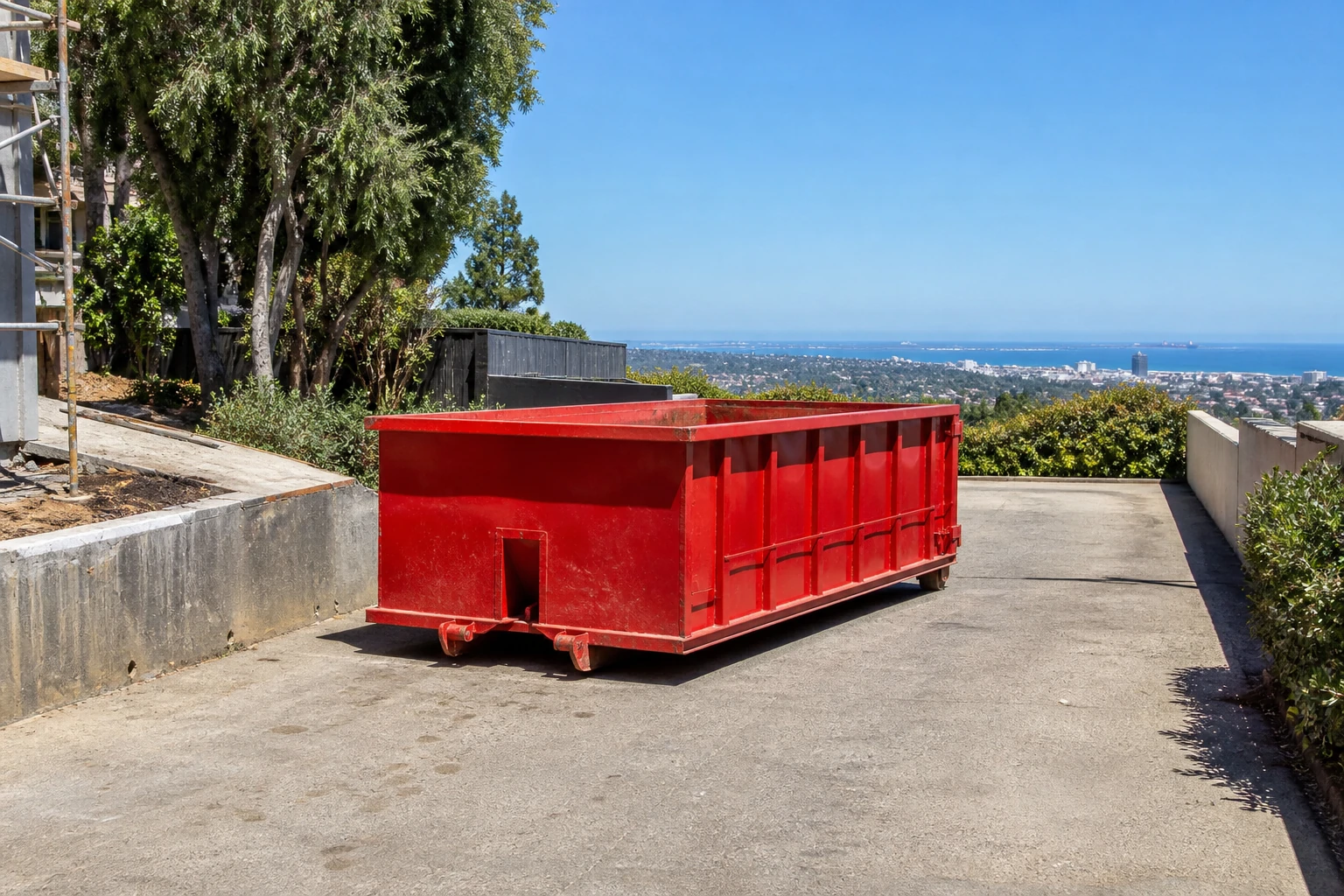
Tell us about the spot and truck path. Include:
Leave room for the truck to get in and out.
Permit rules depend on the address and where the dumpster will sit. Ask the right public agency before using a street, alley, sidewalk, curb, or other public space. Haul’n Off does not issue or promise permits. A quote is not a permit.
Direct answer — jobsite planning: Know the debris, amount, weight, work phase, requested dates, placement, and truck path. These details help us review the container and set-down spot.
Cost can change with the container, included weight, rental period, debris, total weight, placement, and truck access. Extra days, special items, delivery, and pickup terms may also affect it. Current pricing can help you plan. Your written quote controls the amount and terms for your job.
The full job sets the quote.
Direct answer — cost: Two jobs can use the same size and have different quote terms. Compare the debris, weight, rental time, access, and full terms—not just the container size.
San Diego County, California, is our core service area. We review every exact address, debris list, and placement before we confirm service. Requested dates and current availability also affect the quote. We do not claim service across the whole county or outside this local area.
One address may work when a nearby address does not.
Use the San Diego dumpster rental overview to see the local rental path. Or request a jobsite quote for an exact-address review.
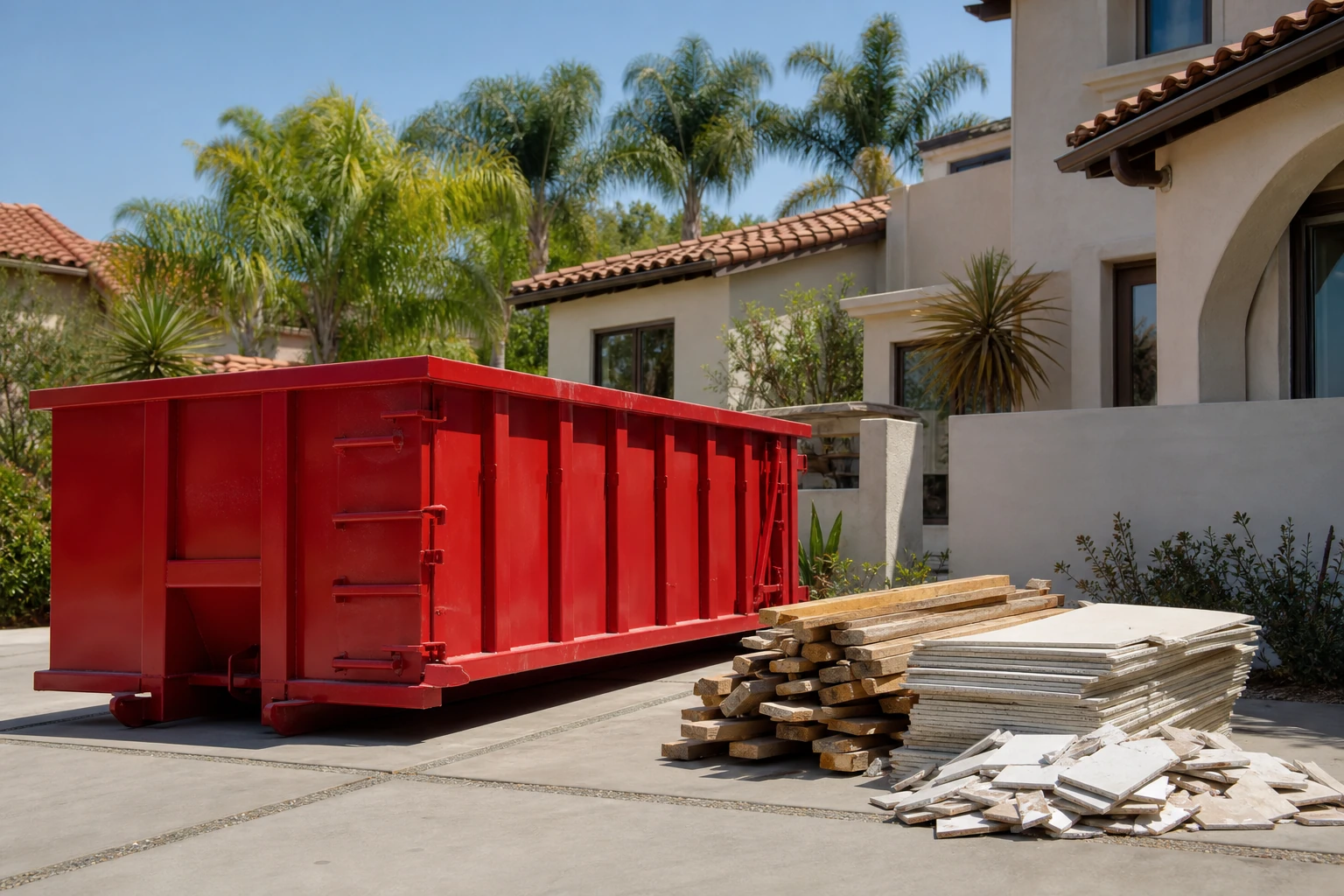
They are often called roll-off dumpsters, roll-off containers, debris boxes, bins, or jobsite dumpsters. Here, it means a temporary container that you or your contractor loads. Haul’n Off delivers and picks it up under the written quote.
Cost depends on the container, included weight, rental period, debris, total weight, placement, and truck access. Extra days, special items, delivery, and pickup terms may also matter. Check current pricing, then ask for a written quote for your job.
Construction dumpsters come in several sizes. Haul’n Off has 15-, 20-, 30-, and 40-yard choices for approved general debris. A 10-yard lowboy may take approved heavy debris after advance review. The right size depends on the debris, amount, weight, work phase, space, access, and rental time.
Allowed debris depends on the job. Remodel, construction, and roofing debris may be reviewed for a general-debris container. Concrete, dirt, asphalt, brick, block, stone, pavers, tile, soil, and rock need advance review. If approved, they use only the 10-yard lowboy. Hazardous waste, liquids or paint, batteries, propane, tires, e-waste, medical waste, and asbestos must stay out.
Know the exact address, work phase, debris, amount, weight, requested dates, placement, and truck access. Ask the right public agency if the dumpster may sit in a public space. A request starts review; the written quote confirms the job terms.
There is no one size for every demolition phase. Start with the debris, amount, weight, work phase, placement, and truck access. Haul’n Off rents the customer-loaded container. Demolition labor is not included. The written quote confirms the size and allowed debris.
Share the exact address, work phase, debris, amount, weight, requested dates, placement, and access notes. Haul’n Off will review the container, debris, address, timing, and current availability. The written quote will state the approved job terms.
A request starts the review. It does not book a dumpster or promise service, price, dates, pickup, another container, or a permit.
Page updated