
01
Measure length
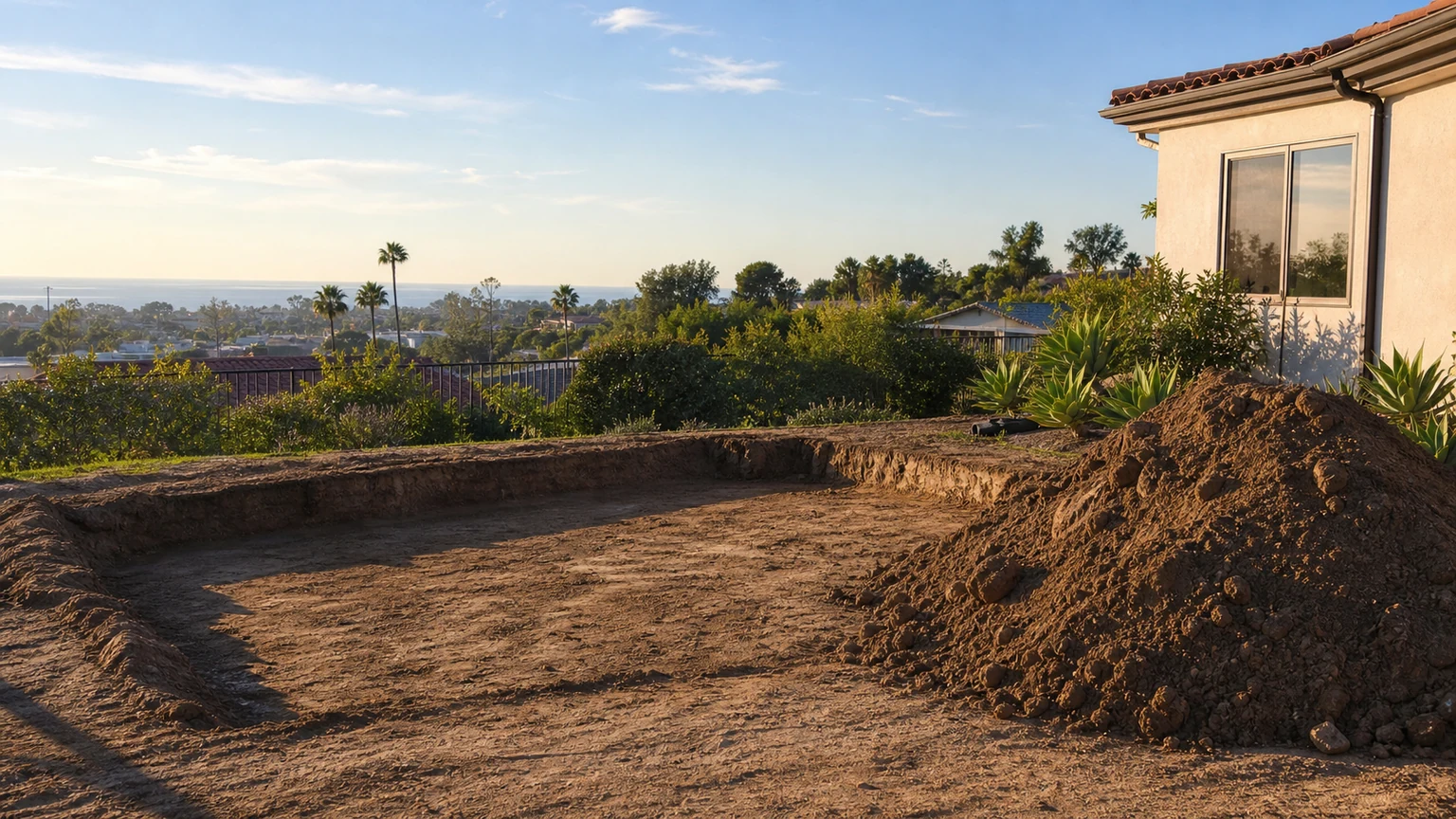
Measure the longest side of the rectangular excavation or soil area in feet.
San Diego County · Measured planning tool
Measure length, width, and average depth to estimate cubic yards, nominal 10 yard lowboy loads, and a starting cost before requesting a written quote.
Interactive estimator
Enter cubic yards if you already know them, or enter the measured dimensions of a rectangular area. A cubic-yard entry overrides the dimensions. The tool rounds nominal lowboy loads up to a whole container.
What the result means
Measure in the right order
01
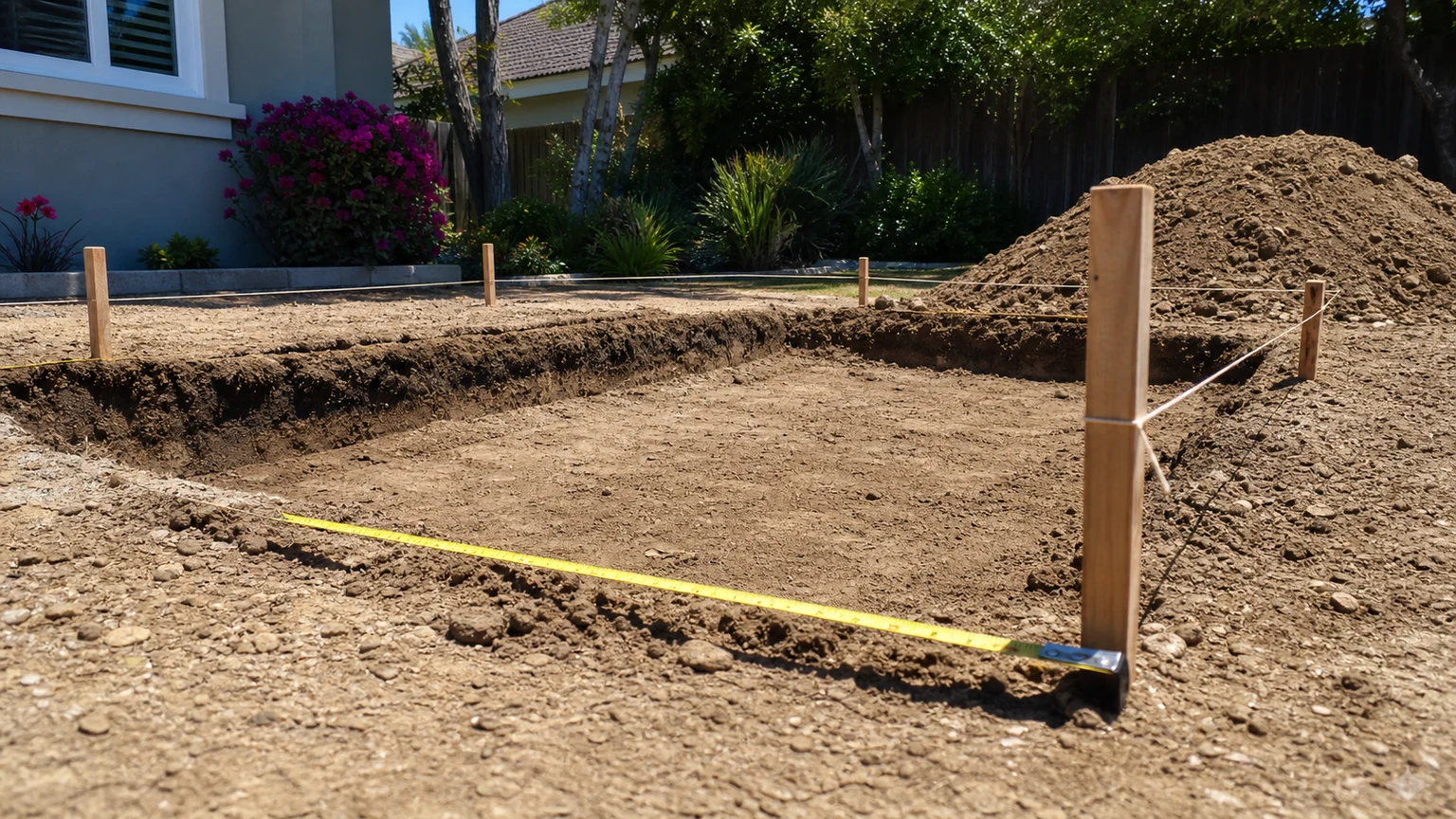
Measure the longest side of the rectangular excavation or soil area in feet.
02
Measure the perpendicular side in feet. Divide irregular projects into smaller rectangles.
03
Use the average depth in inches, not only the deepest point. Add matching areas with the quantity field.
04
The calculator converts the measured volume to cubic yards, divides by the nominal 10 cubic yard capacity, rounds up to whole containers, and applies the $771 starting price.
Calculator limits
The estimator deliberately avoids generic soil-weight assumptions and unsupported disposal-rate averages. Those values change too much by material and condition to replace a written quote for your dirt.
Dry fill, wet soil, clay, rock, roots, and mixed material can weigh differently even when the measured volume is the same.
The tool divides by the lowboy’s nominal 10 cubic yard size. The safe fill limit can be lower after material and weight review.
Dirt and other clean heavy material should not be mixed with household trash, drywall, wood, green waste, or hazardous material.
Access, placement, surface, route, local permission, and pickup timing must be checked for the actual San Diego County location.
From estimate to removal plan
Clean heavy material
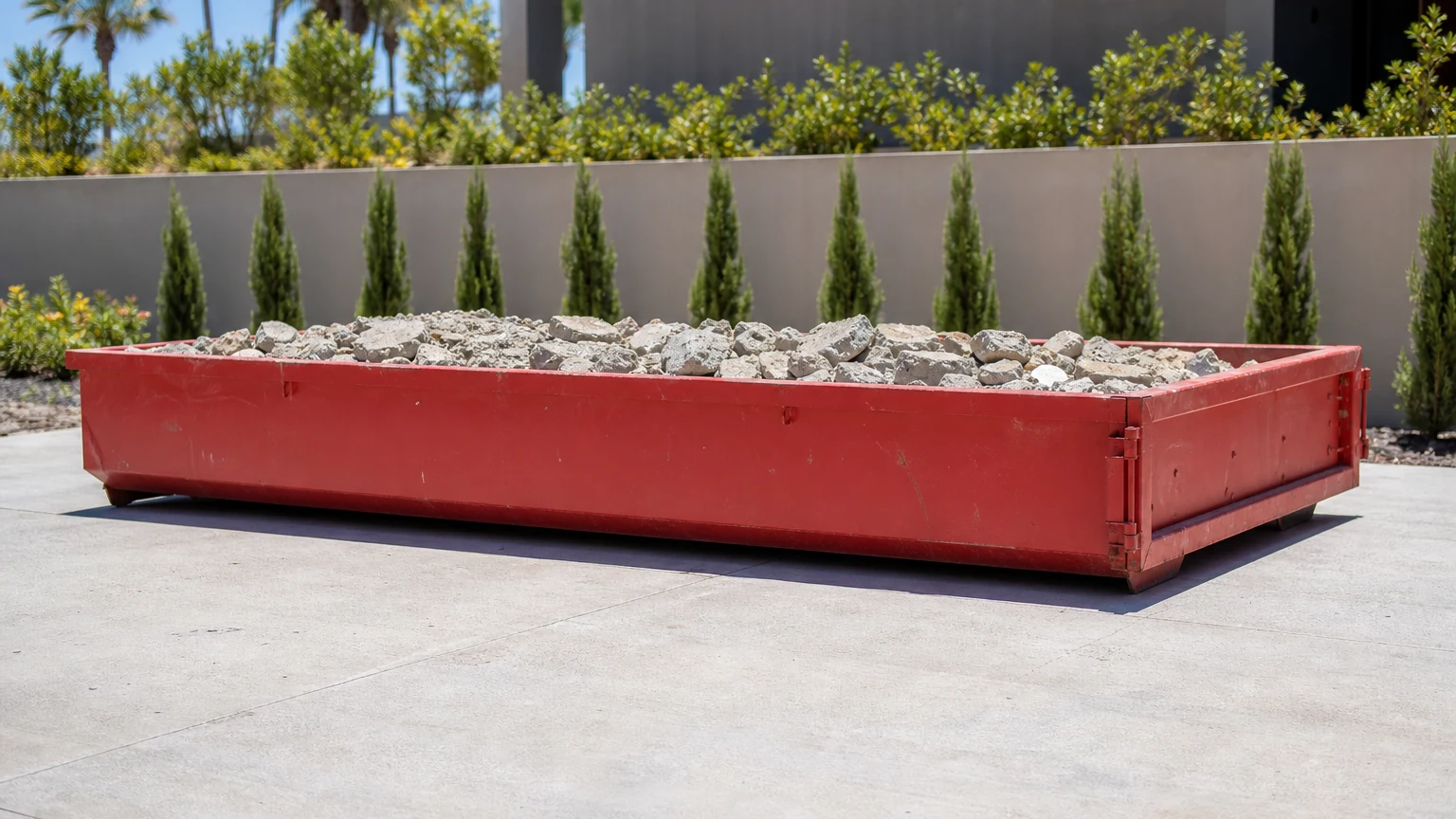
The 10 yard lowboy is for reviewed clean heavy-material loads. Confirm the exact material before loading; the written quote controls what is approved.
Placement
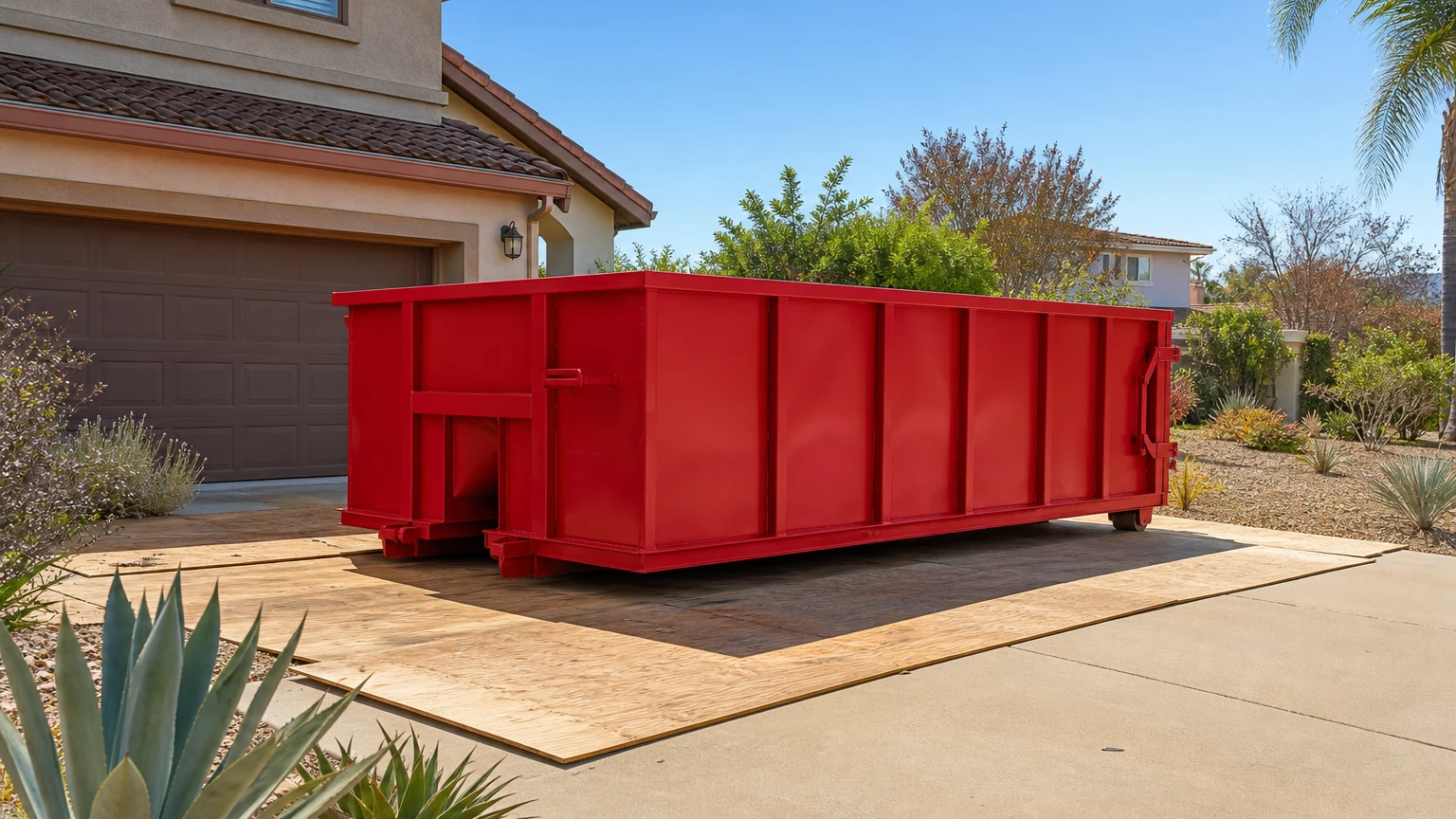
Share the intended set-down area and the complete access path so placement can be reviewed before dispatch.
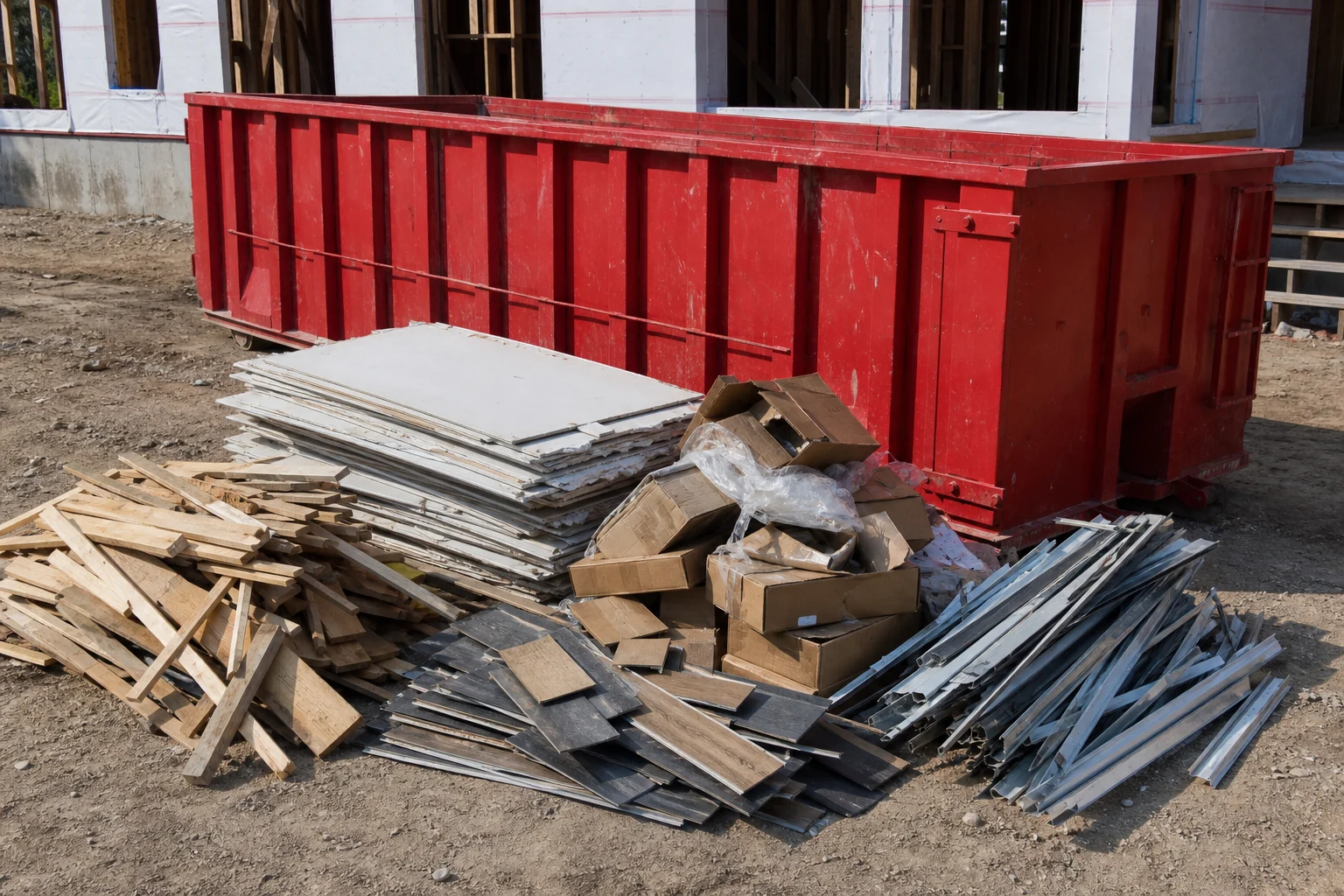
Material control
A sorted jobsite makes it easier to keep clean heavy material separate from wood, drywall, trash, and other debris.
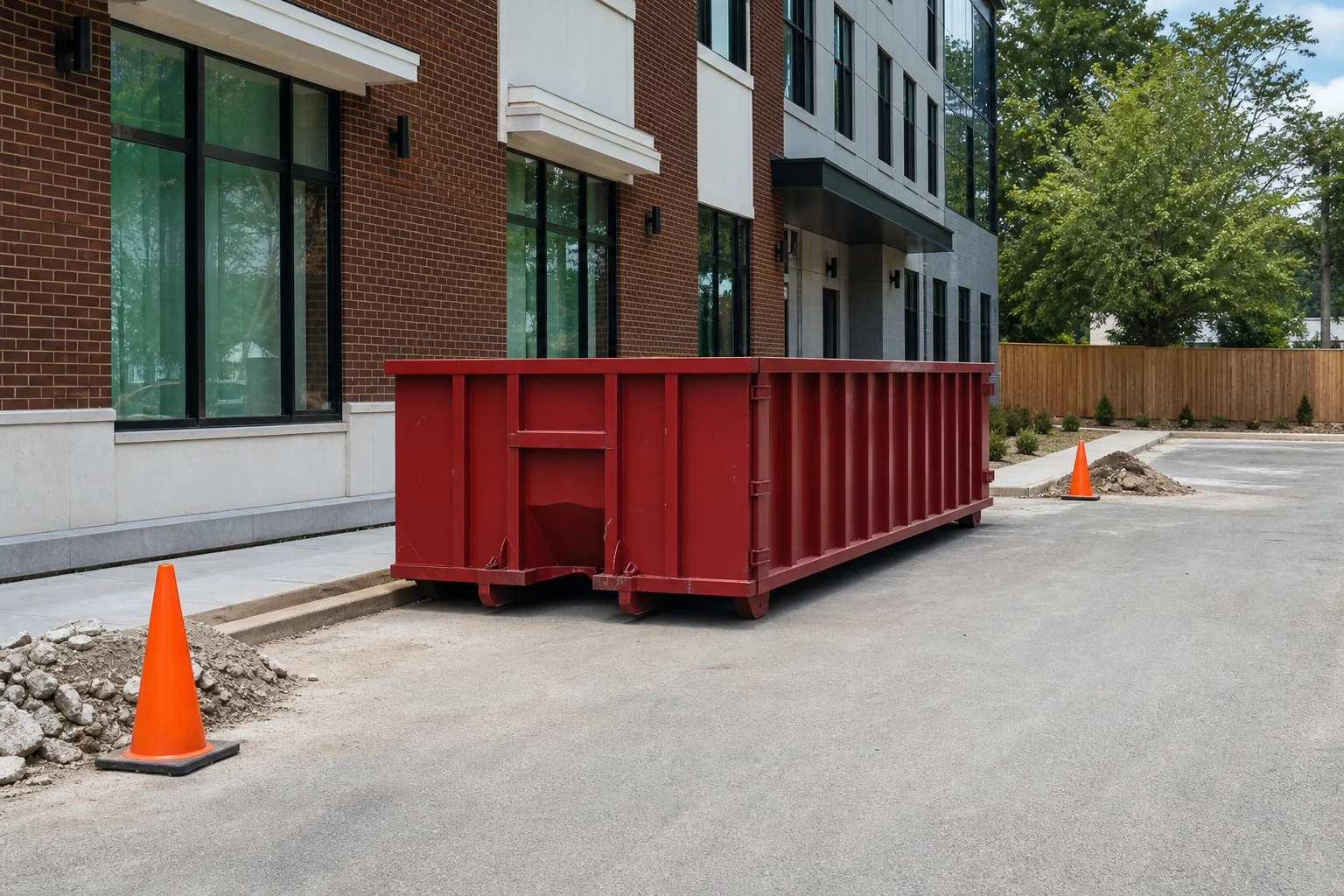
Truck access
Gates, tight turns, slopes, soft ground, branches, wires, and parked vehicles should be identified before the delivery window.
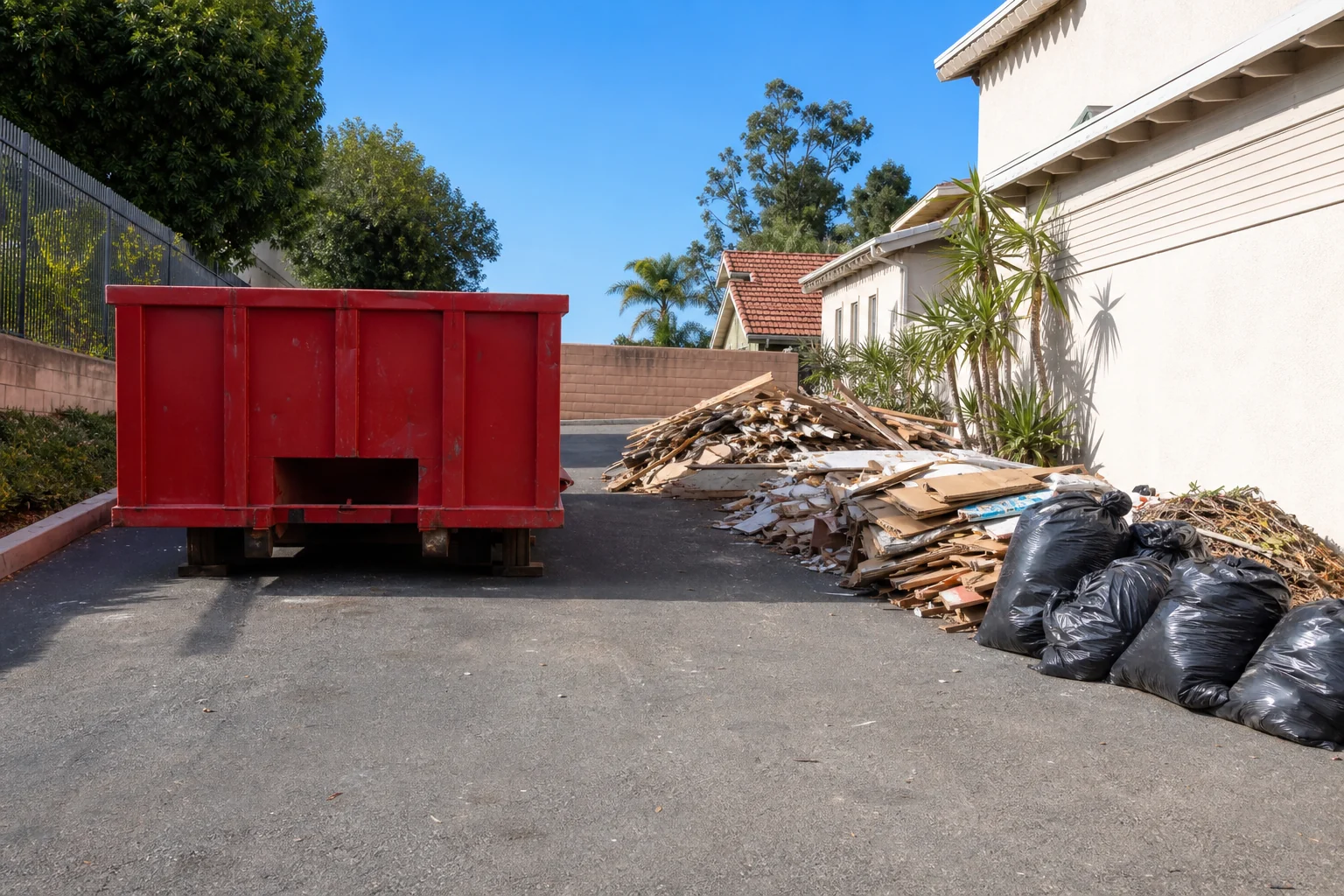
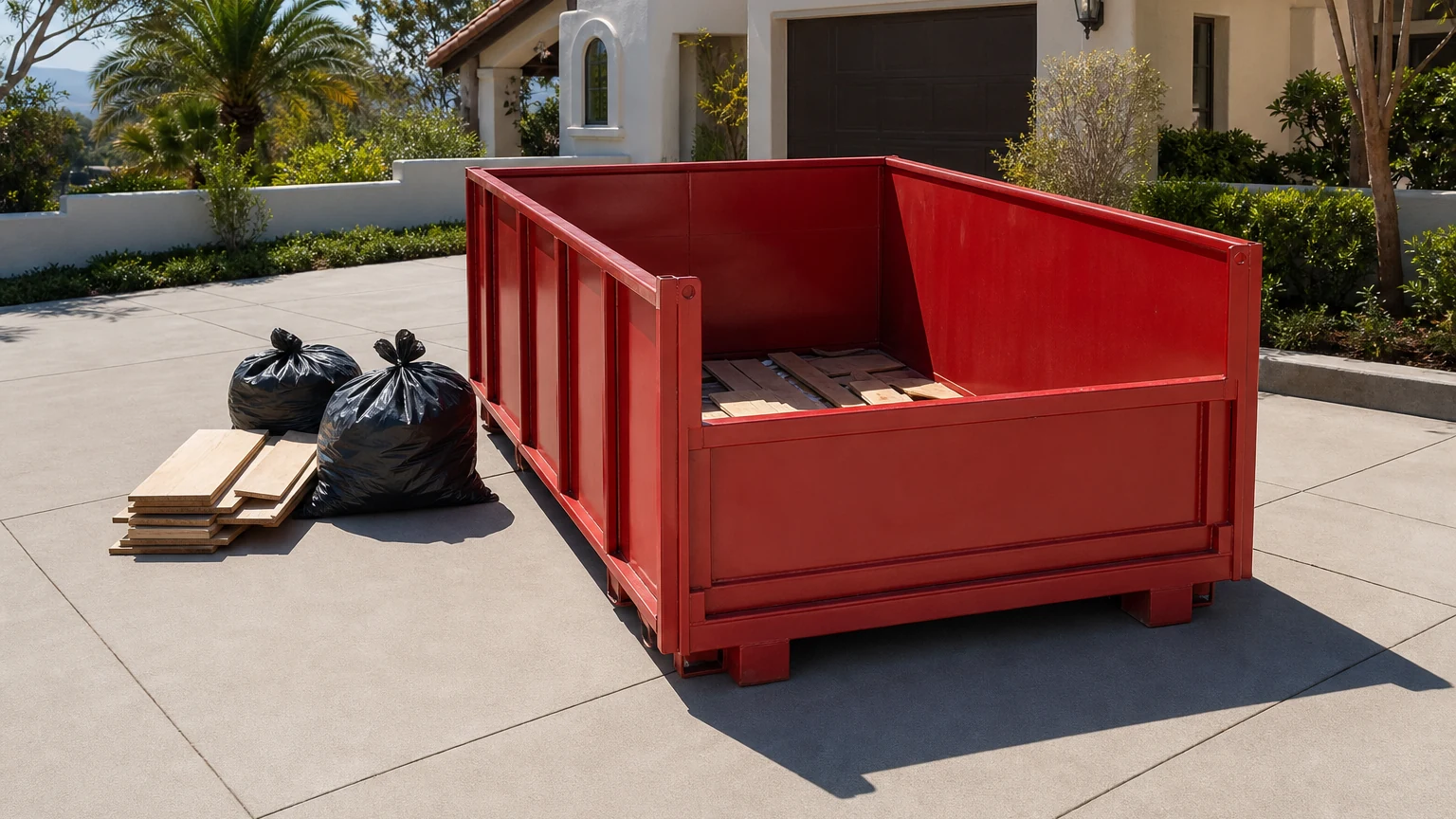
Details for your quote
The measurement estimate is most useful when it arrives with material photos, location details, and a clear access plan.
Continue planning
Compare general-debris and lowboy starting prices, included weight and days, then estimate cost from the details you know.
Open guide →Turn the excavation estimate into a phase plan for clean heavy material, general construction debris, C&D records, placement, and timing.
Open guide →Review the lowboy dimensions, accepted materials, included rental time, and starting price.
Open guide →Review the 10 yard lowboy rules for dirt, concrete, asphalt, brick, stone, and tile.
Open guide →See every starting price, what is included, and what can change the cost.
Open guide →Compare container, material, time, access, placement, and pickup terms.
Open guide →Check service for the ZIP and delivery details before selecting a date.
Open guide →Send the dimensions, material, address, access notes, photos, and schedule for review.
Open guide →Dirt calculator questions
For a rectangular area, multiply length in feet by width in feet by average depth in inches, then divide by 324. The calculator applies that conversion and can multiply the result for matching areas. Irregular projects should be divided into smaller rectangles and added together.
The calculator divides estimated cubic yards by the lowboy’s nominal 10 cubic yard volume and rounds up to a whole container. That is a volume-based planning estimate only. Material weight, moisture, composition, safe fill height, access, and disposal requirements can reduce how much belongs in one load.
The 10 yard lowboy starts at $771 with 5 days included. Request a written quote for address, material, weight, placement, access, delivery, pickup, and schedule conditions. A separate 3% processing fee applies to all card payments.
No. It provides a measured-volume estimate and a starting cost estimate. The final quote still depends on the address, exact material, moisture and weight conditions, number of loads, placement, access, delivery and pickup scheduling, local requirements, and disposal acceptance.
No. Clean dirt and other dense material go in the 10 yard lowboy, not a general-debris dumpster. Identify every material before delivery so Haul’n Off can confirm the correct container and disposal requirements.
Do not assume mixed material is accepted at the same rate or in the same load. Send photos and list dirt, concrete, asphalt, brick, stone, tile, rock, roots, green waste, wood, drywall, trash, and any unknown material separately so Haul’n Off can confirm the correct plan.
Send the length, width, average depth, number of matching areas, address and ZIP, material photos, placement photos, access notes, preferred date, rental window, and any street, HOA, parking, tenant, or permit constraint.
Stop before loading and describe the source and condition of the soil. Wet, unknown, imported, stained, odorous, or suspected contaminated soil needs separate review and may require a different acceptance or disposal path.
From measurements to a written quote
Haul’n Off can review the calculator result against the actual soil condition, lowboy plan, placement area, route, schedule, and local requirements.