
Estate room reset
Map the rooms, stairs, drive, and large pieces before the first item moves.
Cleanouts · Remodels · Roofing · Construction
Start with the waste stream and the bin spot. Add the road width, gate, slope, and work dates for a site check.
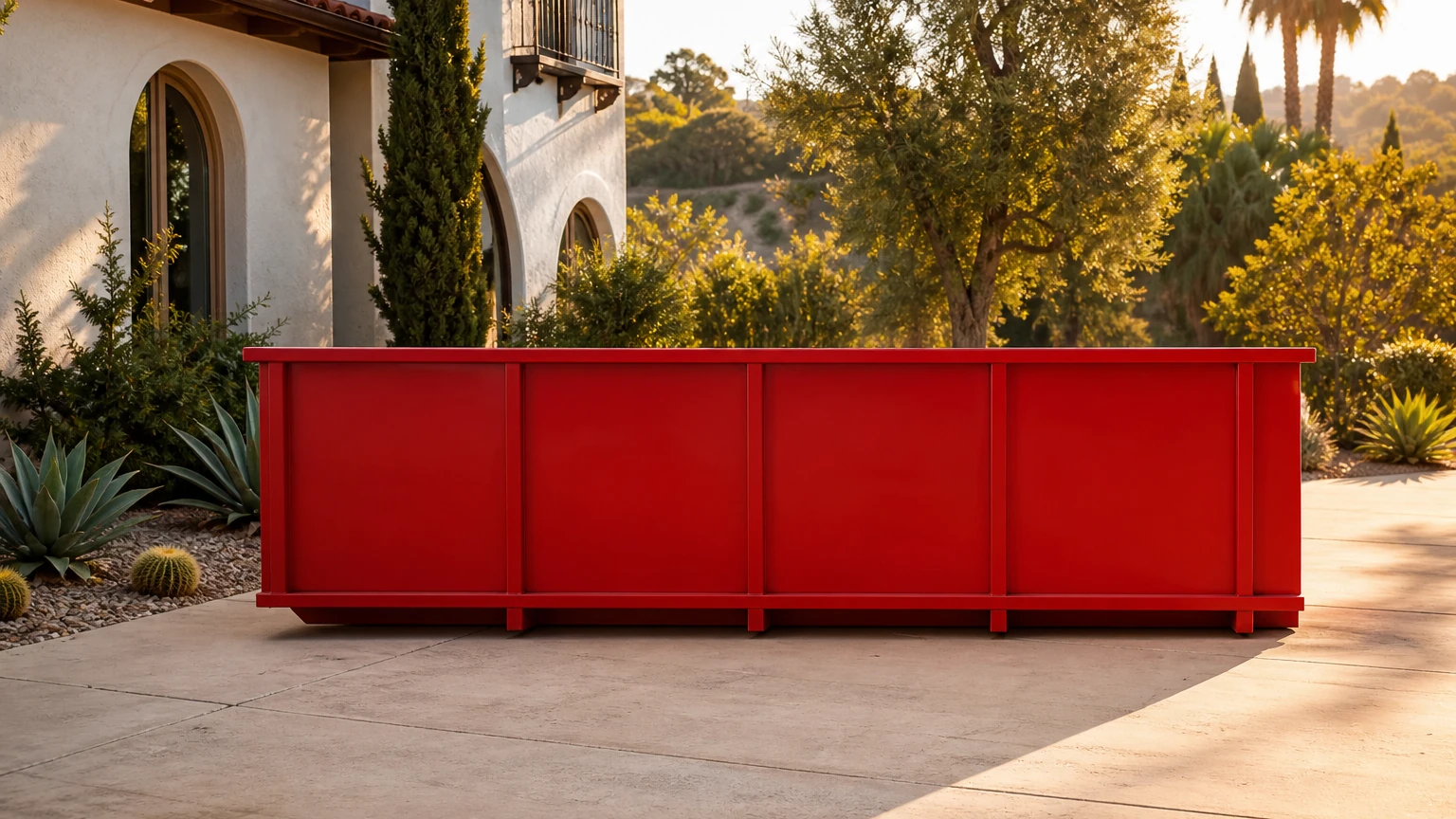
Walk the truck path, then list the waste. Keep each clean stream apart when the permit asks for proof.
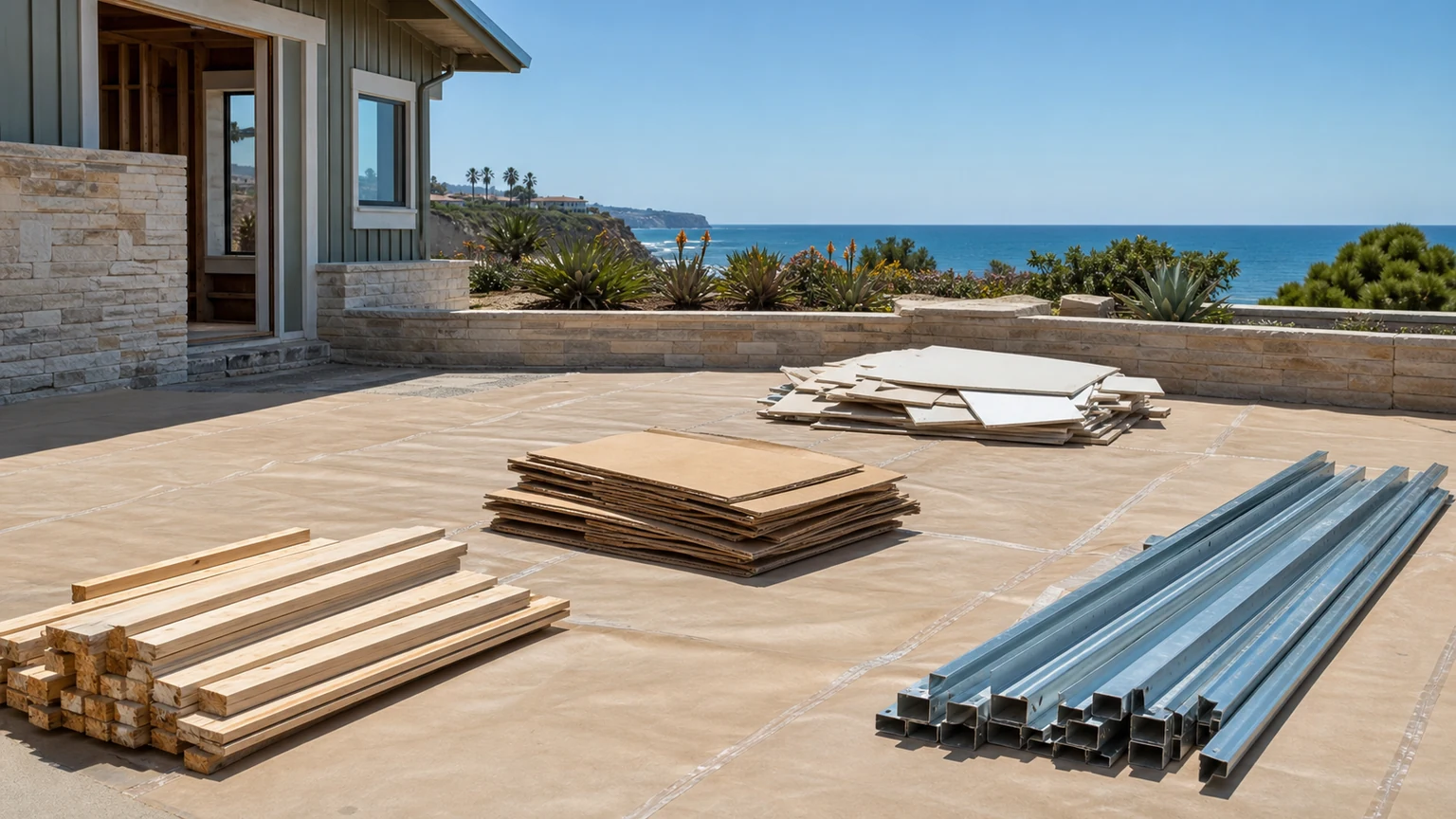
Map the rooms, stairs, drive, and large pieces before the first item moves.
List the old trim, tile, cabinets, wall board, and wrap from the work.
Share the roof area, waste type, crew plan, and open space for the bin.
Sort plants and fence scraps away from soil, stone, pavers, and old block.
The pile is only half the choice. A tight road, steep drive, or small pad may shape the plan.
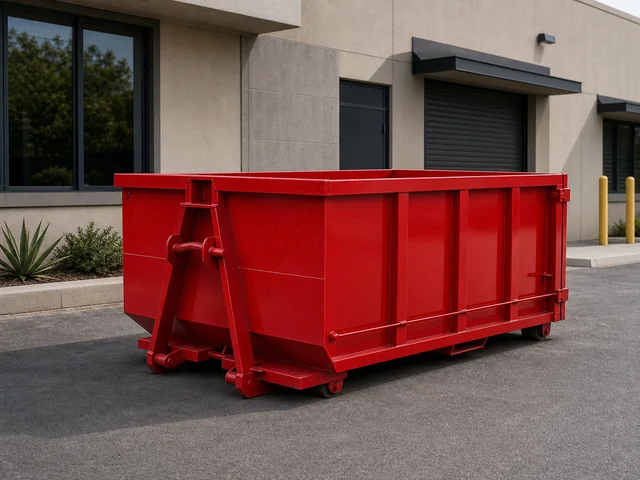
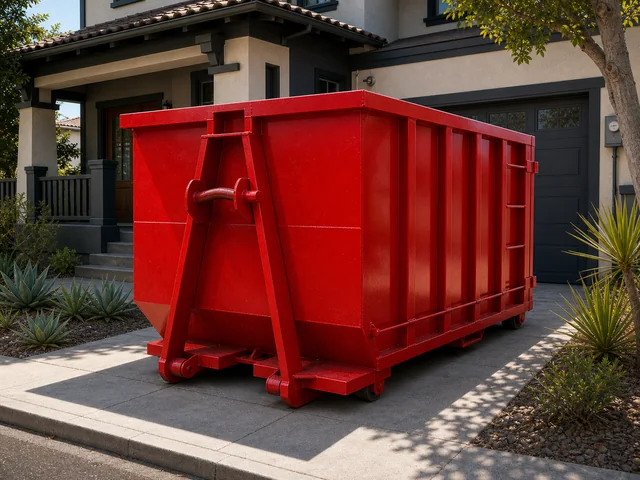
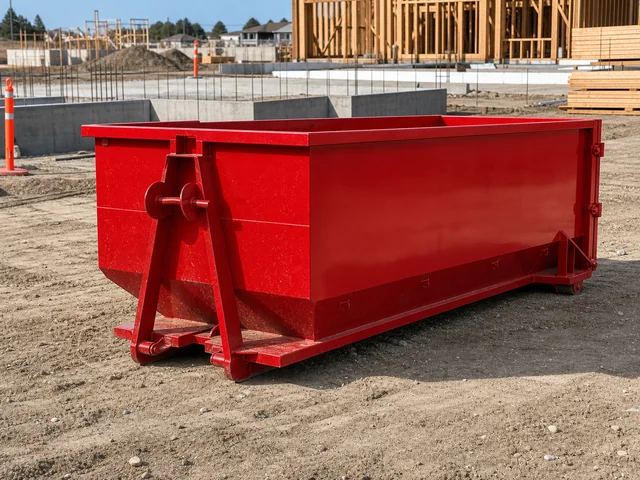
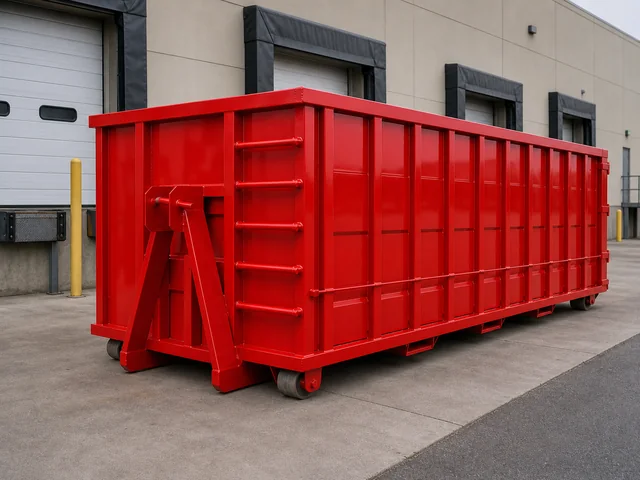
Put wood, wall board, roof waste, and room debris in the general bin plan.
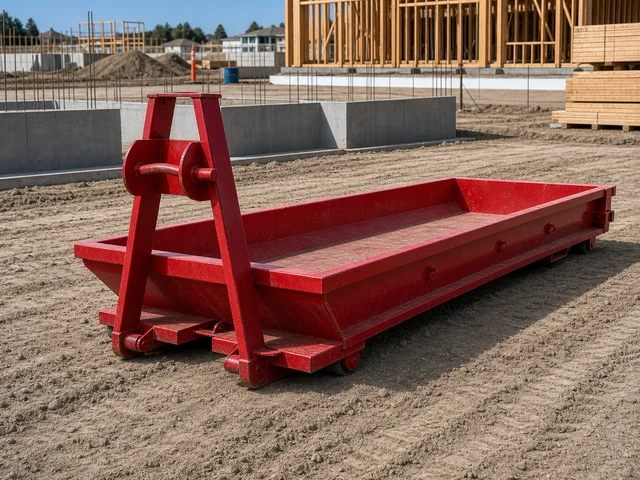
Tell us the exact soil or hardscape before booking. An approved clean load may use a 10-yard lowboy; the written quote controls what is approved. Keep it free of house trash.
Use the full stop list below. Get appliance approval first; approved appliances cost $75 each.
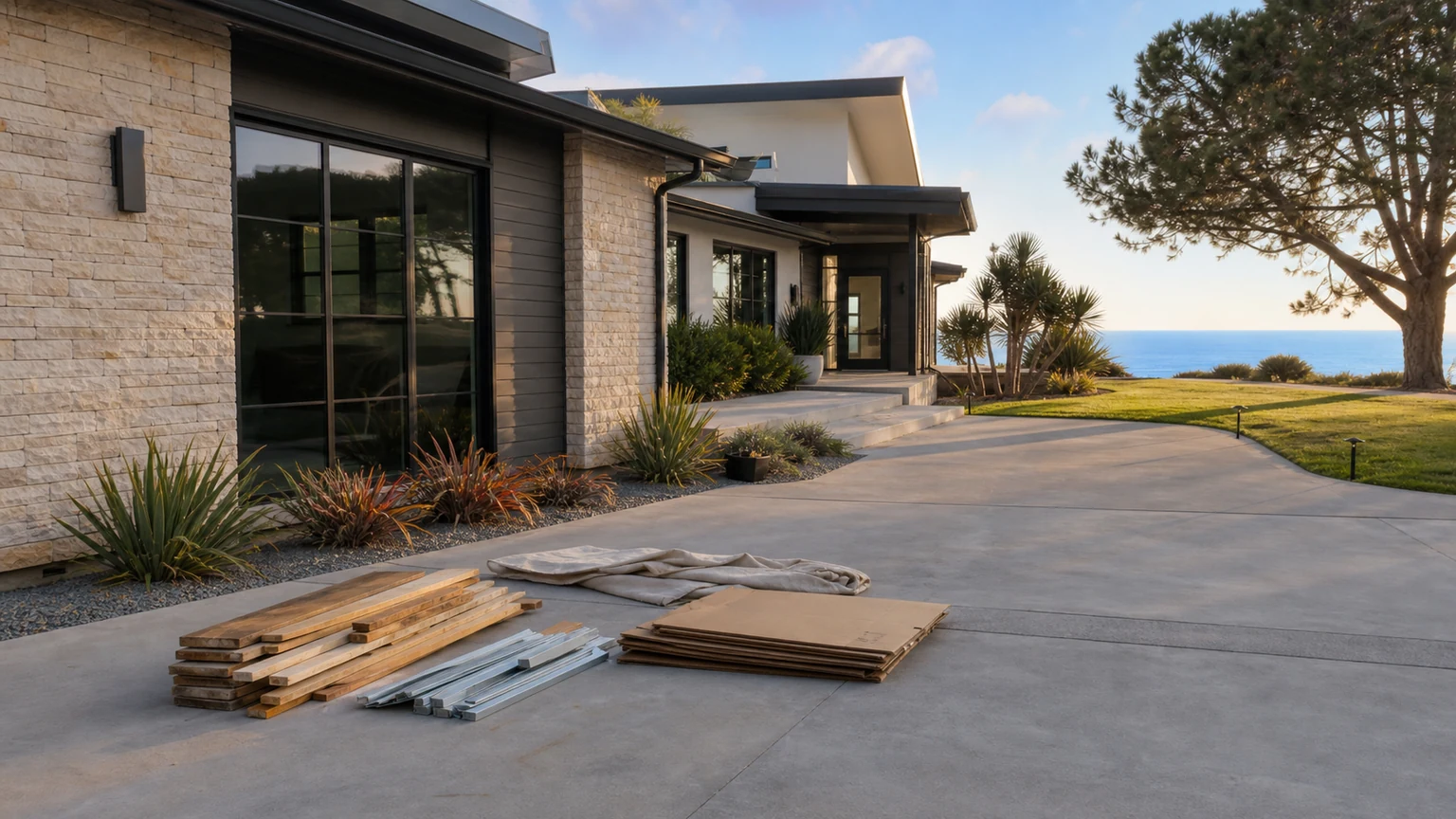
A steep drive or long stay can change the plan. Give each quote the same site facts.
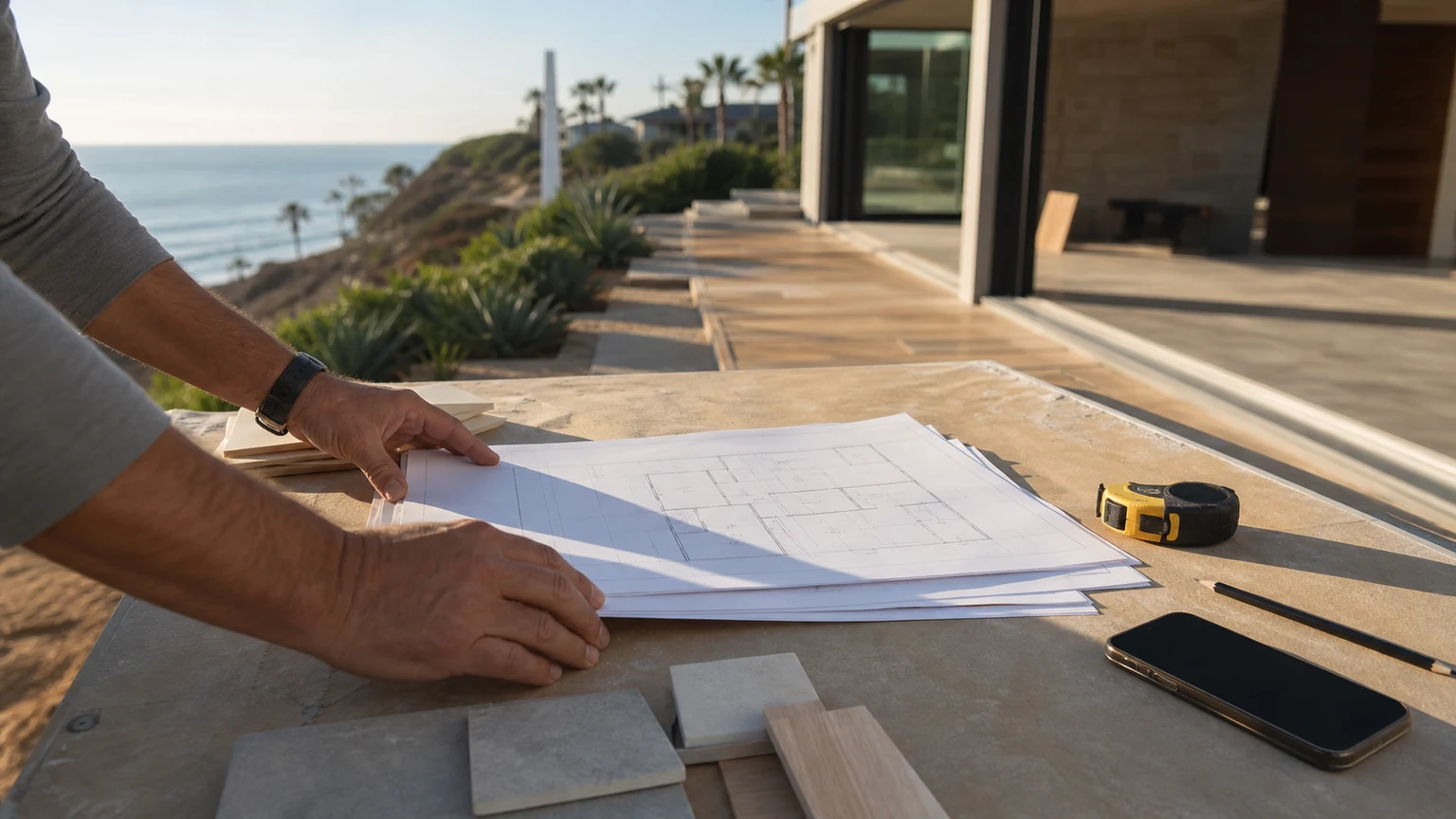
Start at the street. Note the lane width, grade, gate, trees, wires, and room to turn.
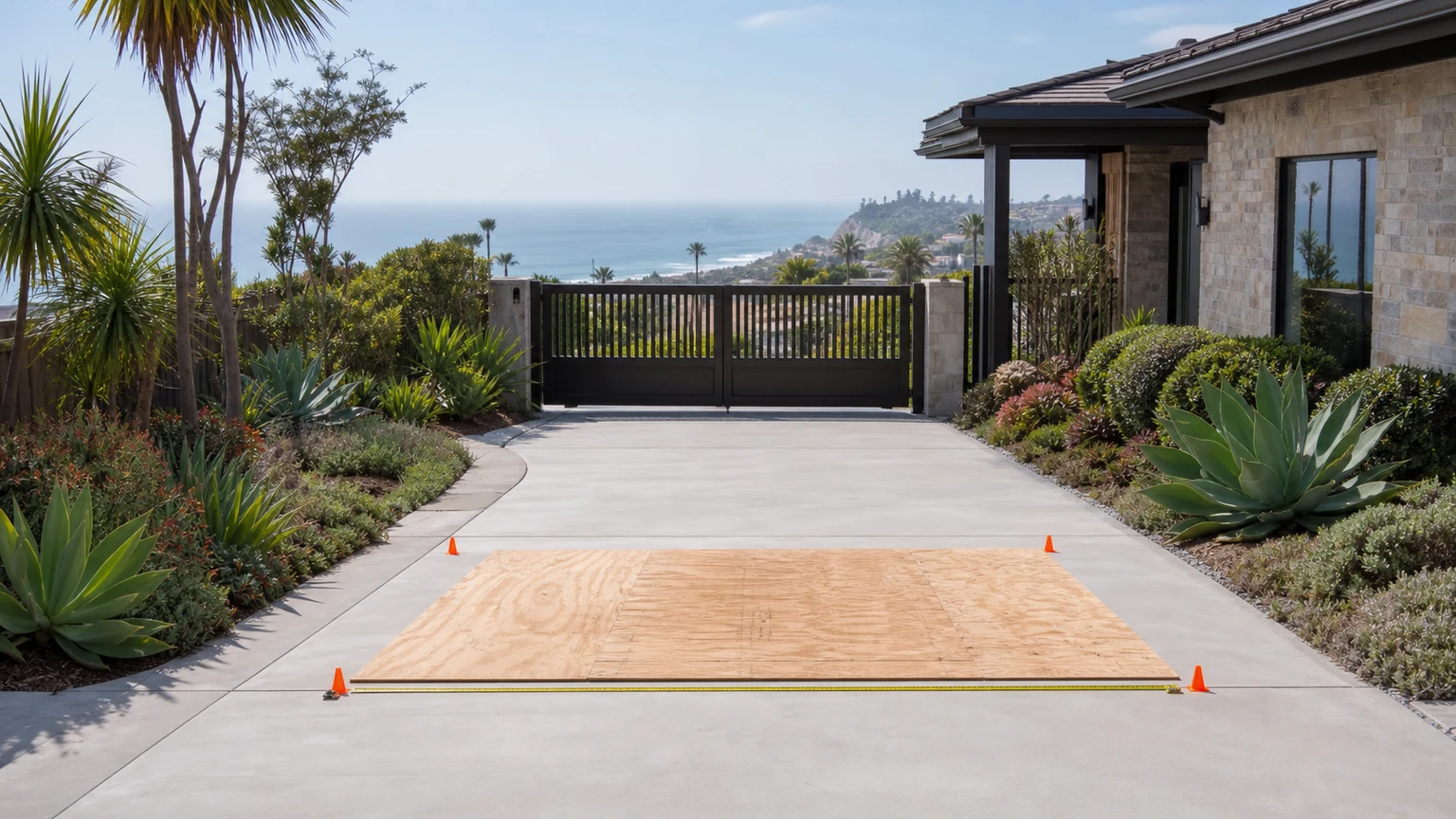
Check the owner, HOA, pad, gate, and path for the truck.
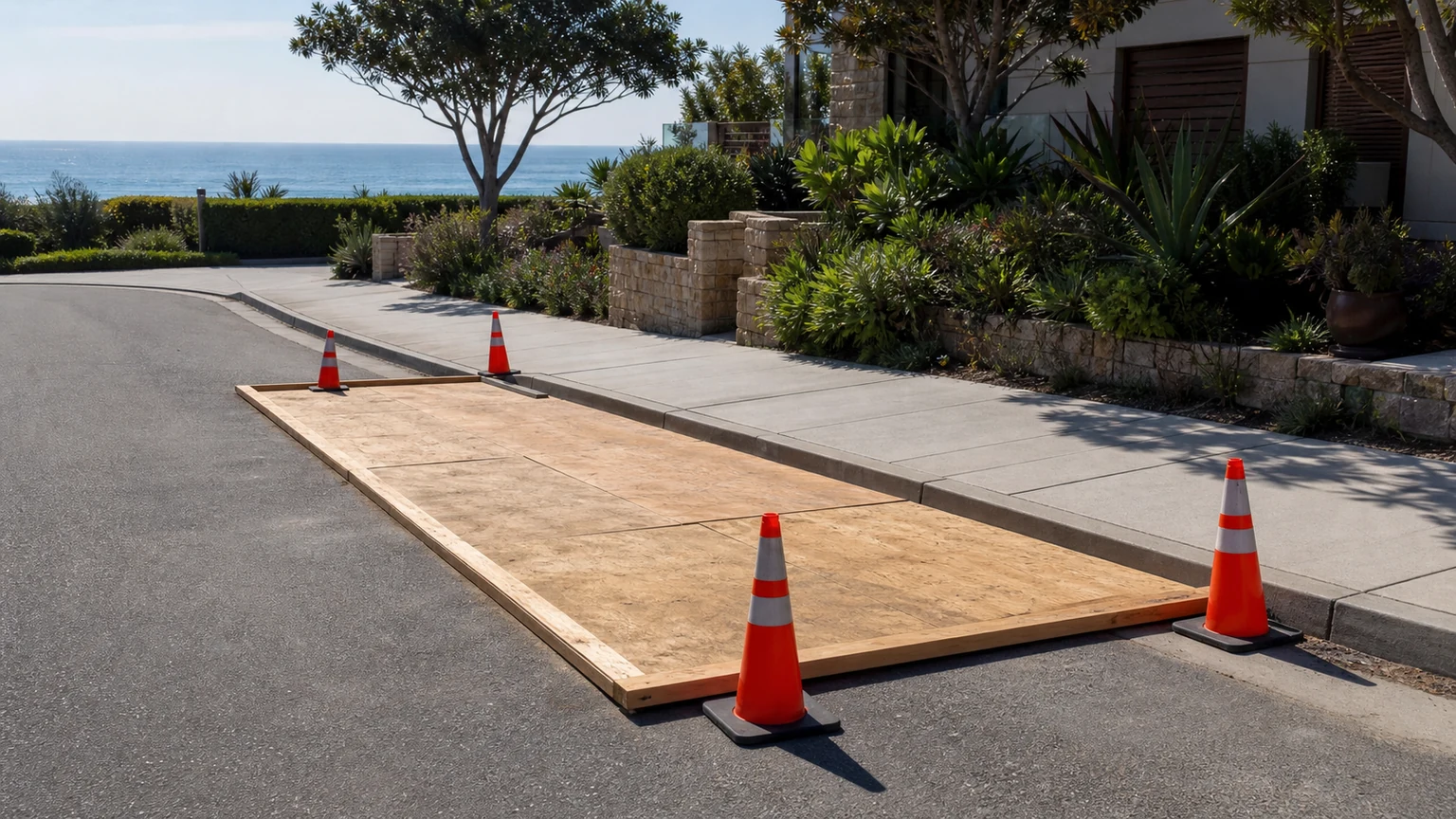
Ask the City what applies to that spot. Read the City code ↗
Some build jobs need a waste plan, sorted loads, slips, or closeout proof. Read the permit before tear-out starts.
Open Del Mar C&D Resource ↗Make a room list and mark the large pieces. A 15- or 20-yard bin may fit a small reset. A 30- or 40-yard bin may fit a full floor or estate job. The road and bin pad also matter.
Keep dirt, rock, concrete, asphalt, brick, pavers, and tile separate from general debris. Tell us the exact material before booking; an approved clean load may use the lowboy, and the written quote controls what is approved. Do not add home junk, bags, wood, or roof waste.
Some build permits may call for a waste plan, sorted loads, weight slips, or closeout proof. Read the permit before tear-out starts. Save the records named in it.
Start at the street and trace the truck path. Share the lane width, grade, gate, trees, wires, and turn space. A tight route can change the bin or set-down plan.
Ask the City what applies to the exact spot. Check the rule before you set a date. A request to Haul’n Off does not give public-space approval.
The bin, waste stream, likely weight, stay length, road, pad, access, and haul-away date all matter. Give each quote the same site facts.
Do not load hazardous waste, paint, liquids, chemicals, batteries, propane, tires, electronics, medical waste, or asbestos. Appliances need prior approval and cost $75 per approved appliance.
No. The form securely submits the request to Haul’n Off’s CRM so staff can check the site and waste plan. It does not set the cost, hold inventory, or book service.
Share the address, permit note, waste streams, bin pad, road limits, and dates. A review does not book service or set the final cost.
Start My Project Check →Page updated