
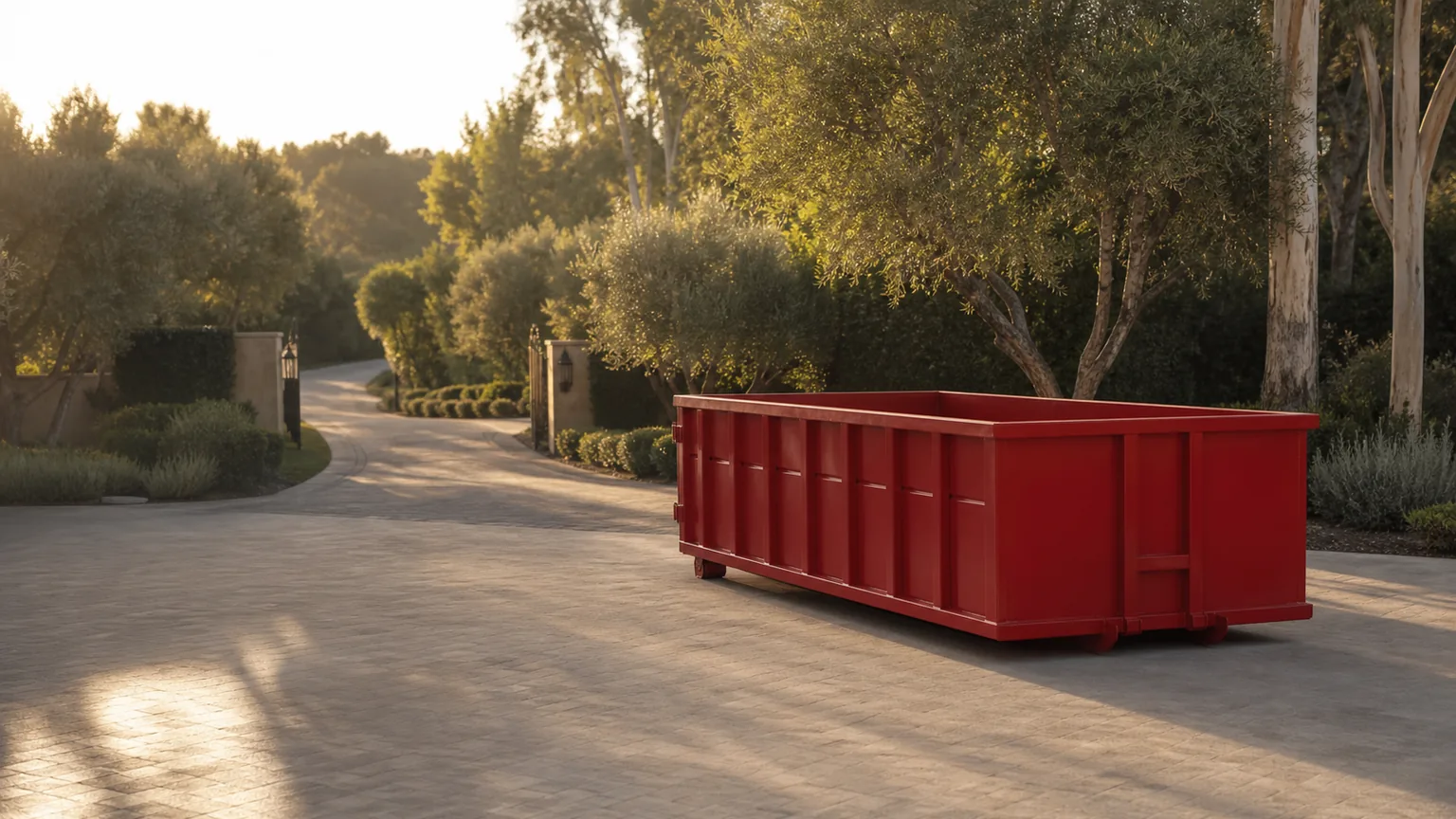
HOUSE01
Main-house cleanouts and room-by-room work
List furniture, rugs, shelving, cabinets, fixtures, flooring, drywall, and boxed contents. Count the largest pieces before choosing a container.
Compare cleanup options →Address, access, debris
Compare Rancho Santa Fe dumpster rentals for estate cleanouts, remodels, roofing, landscaping, construction, or heavy debris. Start with the project zone, then check the full route from gate to pickup. A clear plan keeps the job on track.
One address can hold several separate projects. Identify the work zone first so the debris list, loading path, and placement idea stay connected.
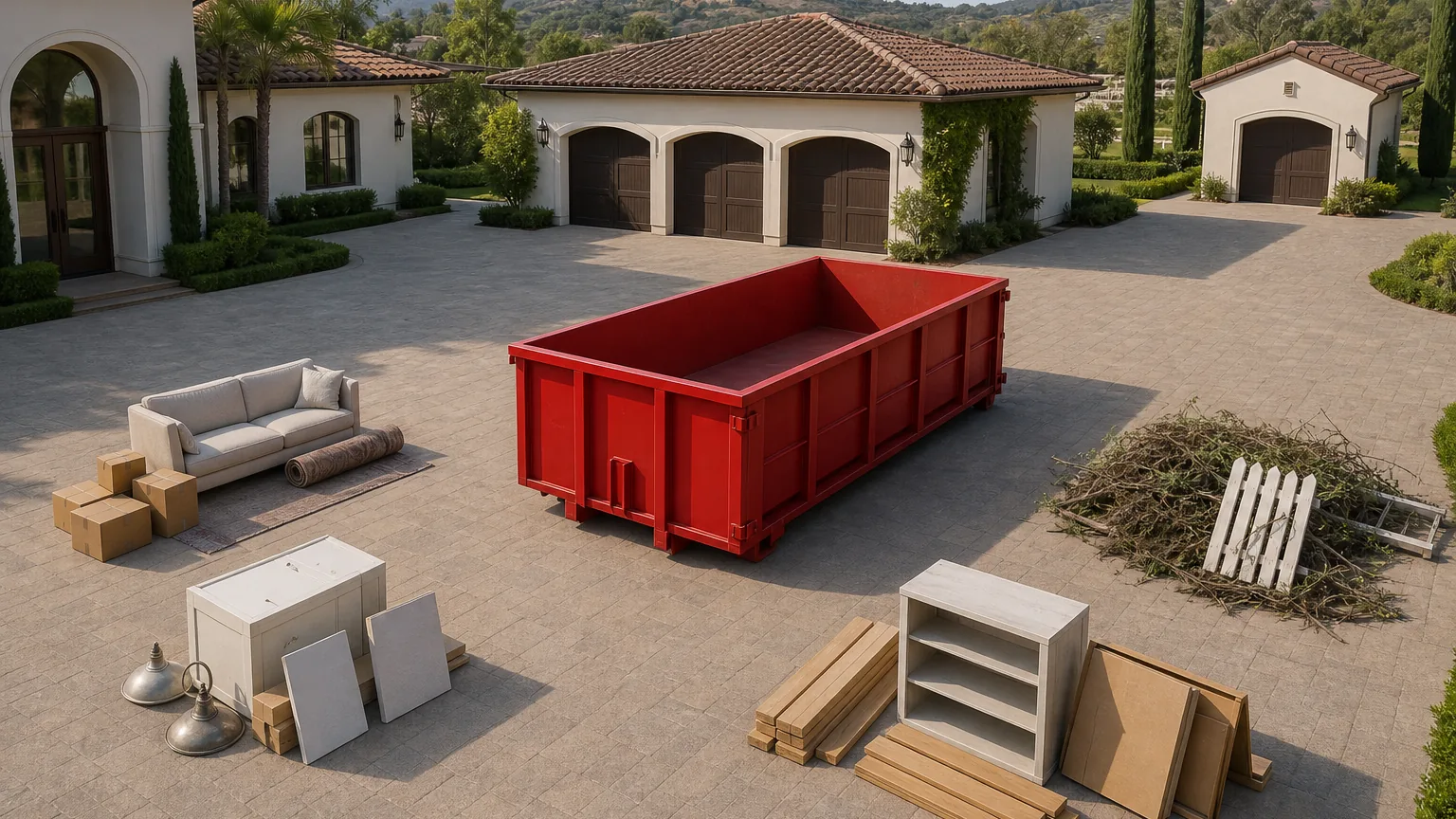
List furniture, rugs, shelving, cabinets, fixtures, flooring, drywall, and boxed contents. Count the largest pieces before choosing a container.
Compare cleanup options →Share roof area, material, layer count, and any tile, decking, stucco, siding, or window debris. Dense exterior material can set the limit early.
Open construction guidance →Separate branches, fencing, and light yard debris from soil, rock, pavers, block, asphalt, or concrete. These streams use space and weight differently.
Plan debris removal →Inventory shelving, boxes, lumber, fixtures, equipment packaging, and long objects. Keep doorways, work lanes, and gate access usable during the project.
Plan a temporary dumpster →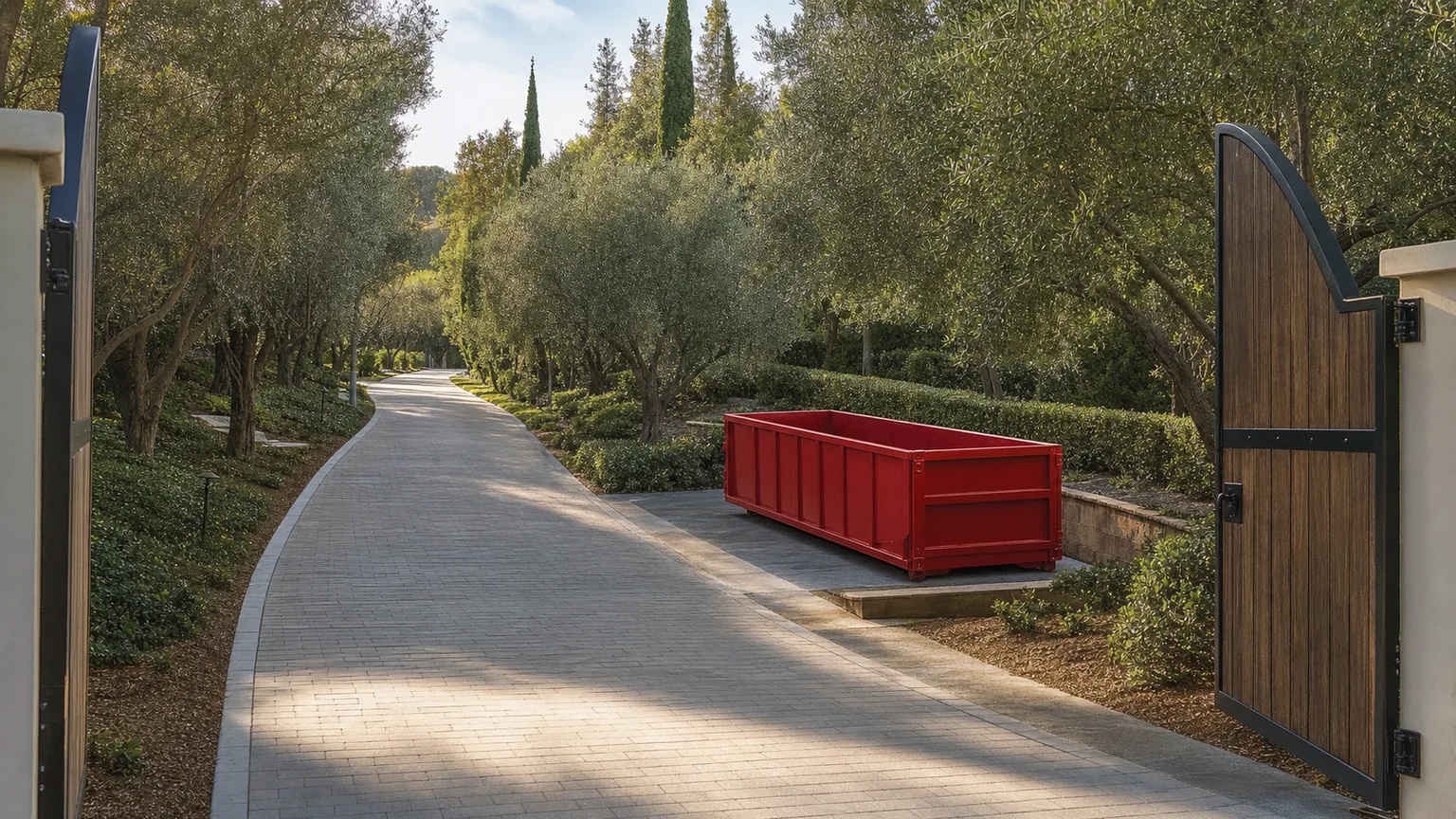
The useful measurement is the narrowest, steepest, or lowest point between the street and the set-down bay. Record that point instead of judging the route by the largest open area.
Measure the clear opening with the gate fully open. Include posts, hinges, keypads, and any center stop.
Photograph every curve and turnaround. A long drive still needs enough room at the tightest bend.
Show steep sections, crests, dips, and transitions between street, drive, and set-down area.
Note walls, hedges, trees, parked vehicles, irrigation controls, and narrow landscape edges.
Look for branches, wires, roof edges, lights, and anything above the approach or proposed footprint.
Keep the same path open after loading so collection does not compete with crews, guests, or deliveries.
These dimensions and common uses come from Haul’n Off’s current size information. The project, debris, weight, route, footprint, and timing still need review before a size is confirmed.
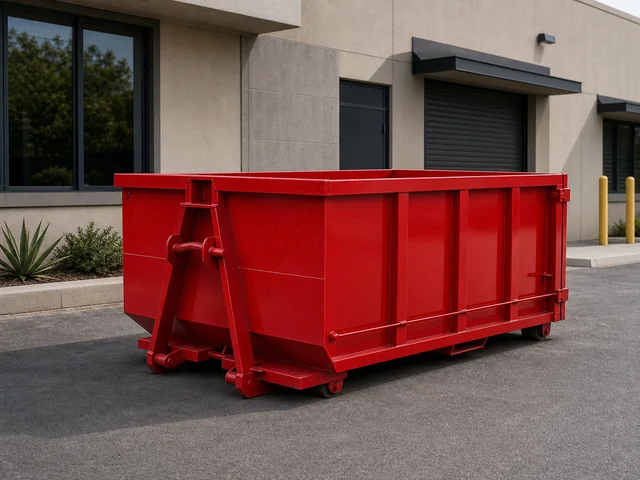
11.5'L × 8'W × 5'H
A focused room, garage, storage, or landscape cleanup.
Open size guide →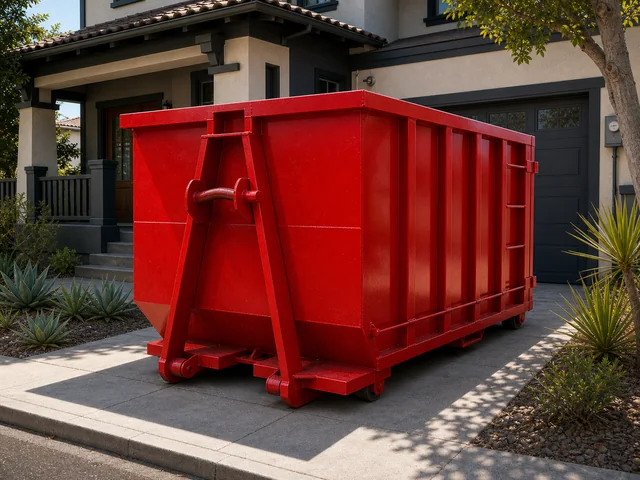
11'L × 8'W × 6'H
A larger cleanout, roof phase, or active remodeling job.
Open size guide →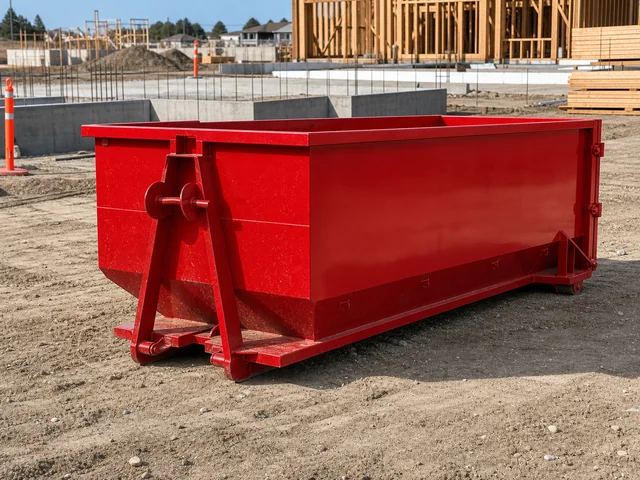
18'L × 8'W × 6.5'H
Bulky contents, multi-room work, or higher construction volume.
Open size guide →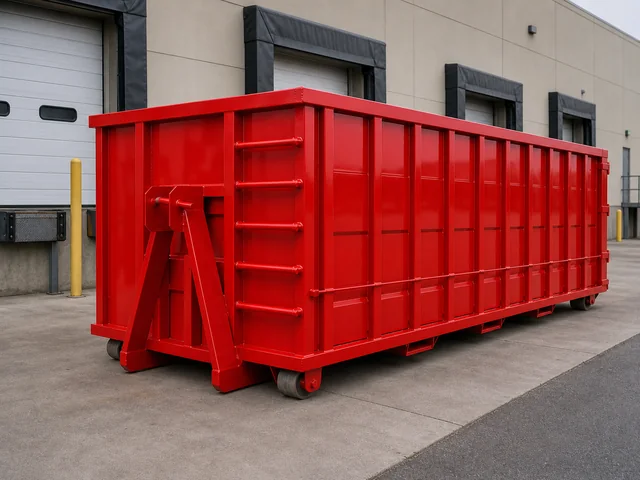
18'L × 8'W × 7.5'H
High-volume, lighter debris from a major property or construction phase.
Open size guide →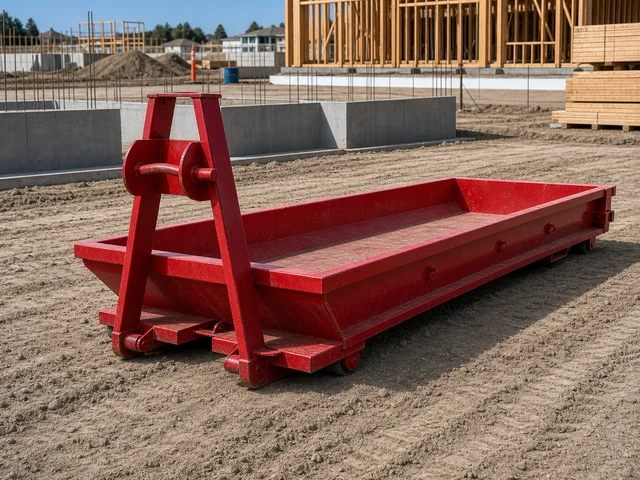
18'L × 8'W × 2'H
Reviewed clean concrete, soil, brick, block, stone, asphalt, or paver loads.
Open size guide →A useful debris list names the objects and the dense pieces. That makes it easier to compare size, weight, and loading guidance without hiding the important material.
Examples: Furniture, rugs, boxes, cabinets, shelving, doors, and ordinary non-hazardous cleanup debris.
Count oversized pieces and long items. Safe breakdown can reduce empty gaps, but every item must stay inside the walls.
Examples: Drywall, lumber, flooring, fixtures, roofing, siding, stucco, and job packaging.
Name the current work phase. Call out tile, mortar, counters, masonry, or other dense material before it is mixed.
Examples: Branches, brush, fencing, non-hazardous outdoor material, pavers, stone, soil, and concrete.
Keep vegetation and light debris separate from soil, rock, concrete, asphalt, block, and other heavy material.
Never load hazardous materials, paint, liquids, chemicals, batteries, propane, tires, electronics, medical waste, or asbestos. Haul’n Off must approve appliances before loading. Keep every object below the top edge and inside the container walls.
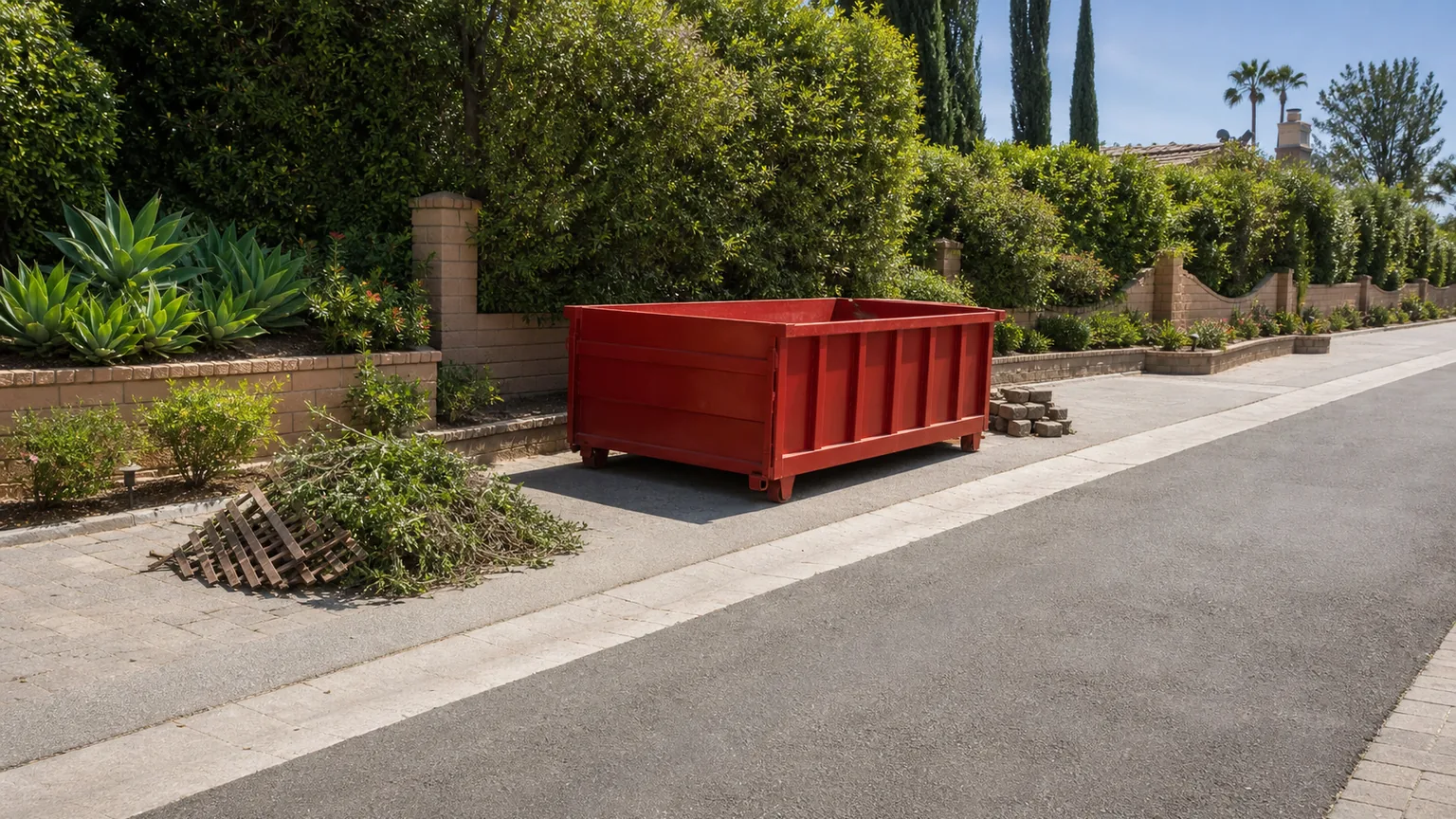
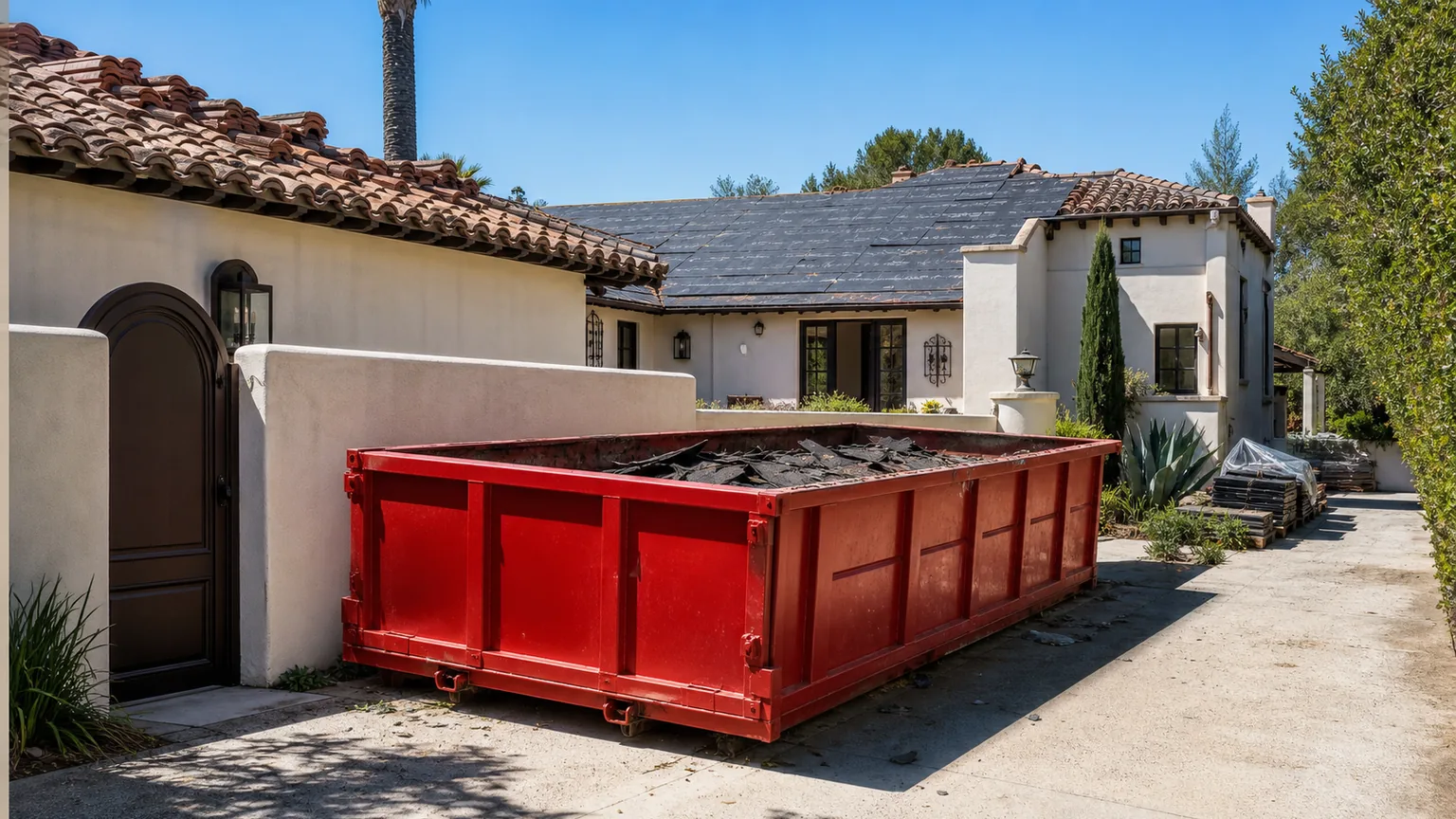
Choose the placement idea, confirm property approval, move vehicles, unlock gates, protect needed surfaces, and record the route.
Keep reviewed material together, spread dense pieces as directed, and keep every object below the rail and inside the walls.
Stop loading, sweep loose debris, and remove vehicles, tools, pallets, deliveries, and temporary barriers from the full route.
Use one complete project description when comparing options. A number without the same size, material, weight, property route, dates, and change terms is not a clean comparison.
The container must match the actual pile, waste type, weight, and usable footprint.
Household, construction, landscape, and heavy debris need different questions.
Roofing, tile, soil, rock, concrete, asphalt, and masonry become heavy early.
Address, gate, curves, grade, surface, side room, and overhead space all matter.
Preferred dates, work phases, rental length, and pickup timing need review.
Added days, extra trips, overages, or a changed debris stream can affect the total.
Before comparing totals, ask what rental time and weight are included. Also ask what triggers added days, extra trips, overages, or a material change.
The proposed bay should work for loading. It should not close the route needed by residents, crews, deliveries, maintenance, or emergency access.
A large lot does not guarantee an easy approach. Measure gates, curves, grade changes, canopy, and turnaround space from the street inward.
Keep garage doors, daily vehicles, guest access, service calls, and emergency movement in the placement plan.
Confirm association, owner, manager, security, and work-hour requirements before selecting dates or a shared-space location.
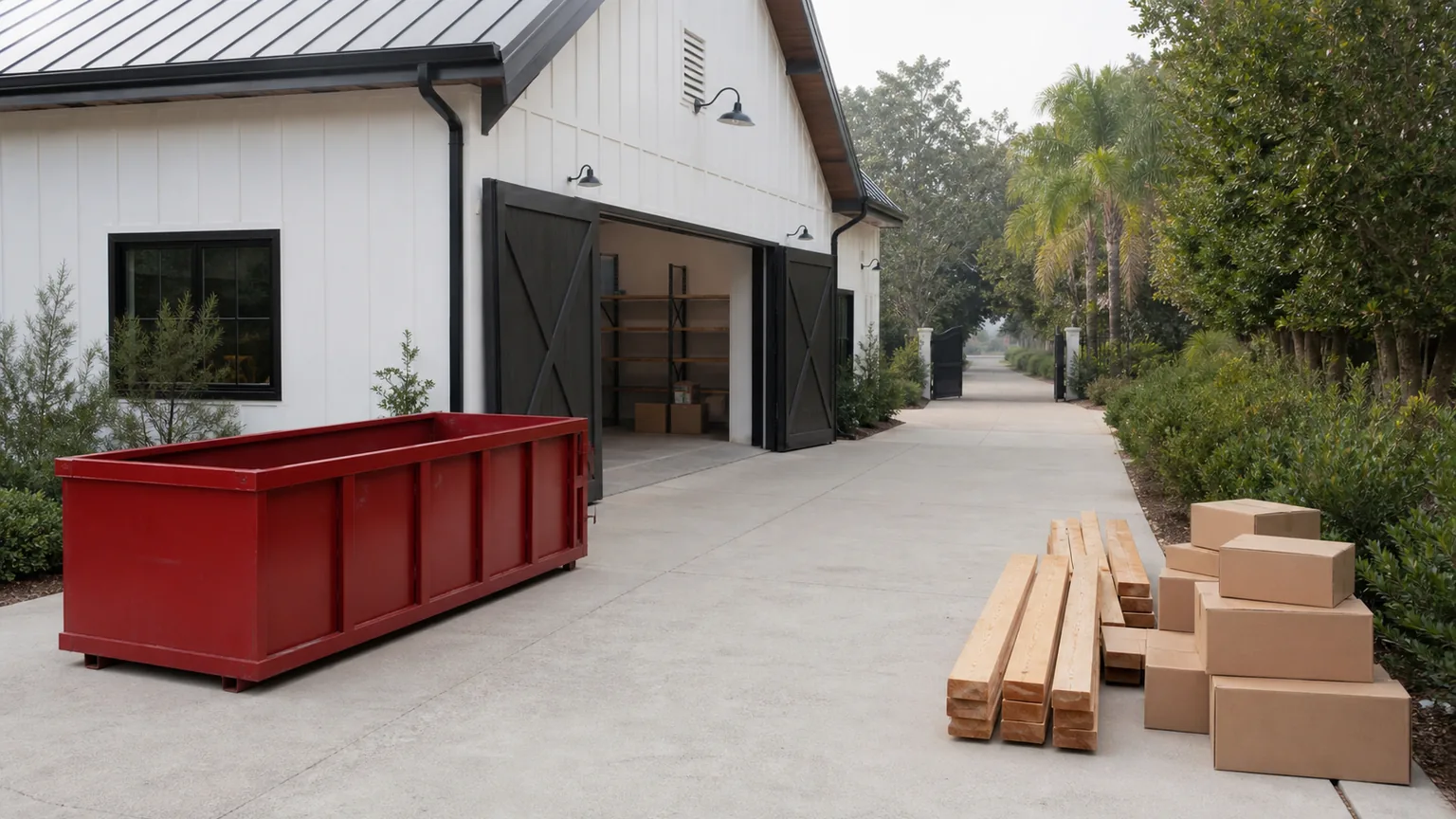
Barns, workshops, garages, storage buildings, and landscape yards need a clear lane between the debris source and the dumpster.
Give the exact material and pile dimensions. Clean, accepted heavy material goes only in a reviewed 10-yard lowboy. This list includes concrete, dirt, soil, rock, asphalt, brick, block, stone, pavers, and tile.
Never load lowboy-only material into a 15-, 20-, 30-, or 40-yard general-debris dumpster or mix it with landscape, remodeling, household, roofing, wood, or construction debris.
Start with the job. Share the address, debris, route, size, and dates. If the spot enters a public right-of-way, see the County’s right-of-way information. If the job uses a County construction permit, see its construction debris guidance. Keep the rest simple.
Start with the biggest furniture, shelves, rugs, boxes, and long pieces. A 20- or 30-yard dumpster may be useful to compare. The pile, weight, route, space, and timing need review before a size is confirmed.
Measure the gate while it is fully open. Note the tightest turn, narrowest lane, steepest grade, lowest clearance, and proposed bay. Send wide photos from the street to the placement spot and back.
A private spot needs enough firm space and a clear approach. Check the surface, slope, parking, and property approval. Send any owner, manager, association, or security rules before choosing dates.
Share the roof area, material, and layer count. List any tile, decking, stucco, siding, or other exterior debris. Roofing and tile can get heavy before a dumpster looks full.
List branches, brush, fencing, and other light yard debris together. Keep soil, rock, pavers, block, asphalt, and concrete in a separate list. Give the pile size and note any mixed waste.
Start by comparing the exact 10-yard lowboy for a reviewed clean heavy load. It is 18 by 8 by 2 feet. Keep the heavy material separate and wait for the loading plan before filling it.
Hazardous materials, paint, liquids, chemicals, batteries, propane, tires, electronics, medical waste, and asbestos are prohibited. Do not load them. Appliances require Haul'n Off approval before loading. If you are unsure about an item, leave it out and send a photo. Approved appliances cost $75 each.
The main facts are size, debris, weight, address, route, placement, dates, and rental length. Added days, extra trips, overages, or a new material mix can change the total.
Send preferred dates once the debris list and placement idea are clear. Include gate hours, access rules, crew timing, and any property approvals. Timing is reviewed with the address, route, size, and current schedule before anything is confirmed.
Send the address, project zone, debris list, pile size, route photos, gate measurements, proposed bay, and preferred dates. Haul'n Off reviews the request before confirming service, size, price, delivery, or pickup.
Send the address, project zone, debris list, pile estimate, gate and route notes, proposed bay, and preferred dates. Haul’n Off will review the request before confirming service, size, price, delivery, or pickup.
Page updated