

What is leaving?
Name furniture, cabinets, drywall, roofing, lumber, flooring, brush, soil, masonry, or other material separately. “Remodel debris” is only the beginning of the description.
Load map · Size map · Access map
Compare a cleanup, remodel, roof, construction phase, landscape project, or dense-material load against five dumpster sizes. Start with what is leaving, then connect capacity, weight, property access, and timing in one request.
La Jolla is part of the City of San Diego, so public-right-of-way placement and covered permitted construction follow applicable City of San Diego requirements. Private-property fit still depends on the exact address and access; this page does not confirm service to a specific property.
A useful La Jolla dumpster rental request is more than a size and date. Describe the debris, estimate the space and weight, and prove the approach can work.

Name furniture, cabinets, drywall, roofing, lumber, flooring, brush, soil, masonry, or other material separately. “Remodel debris” is only the beginning of the description.
Count bulky pieces and estimate the project area, but call out dense layers. The pile can run out of practical weight before it runs out of visible volume.
Measure the private set-down area and the entire approach: gate, slope, surface, overhead clearance, turning room, and the route that must reopen for pickup.
Use the track closest to the active phase, then add the actual material and amount. Do not force every project into the same “general debris” box.
Furniture, shelving, rugs, boxes, bagged contents, and household pieces use cubic yards quickly. Build a room-by-room inventory so the large objects do not disappear inside a vague “cleanout” estimate.
Compare 15 and 20 yards for a focused load; move to 30 or 40 yards when several rooms or a whole property are involved.
Plan the cleanup path →Cabinets, drywall, lumber, and packaging create volume. Tile, mortar, counters, plaster, and fixtures add density. List each layer being removed and keep the weight-sensitive part visible.
Use 20, 30, and 40 yards to compare general tear-out capacity, then review dense material on its own.
Review temporary rentals →Roof squares, layers, sheathing, siding, fencing, trim, and exterior finishes do not create the same load. Wet or damaged material can also change the weight picture.
Share roof material, approximate area, number of layers, and any decking or exterior work before selecting a tall container.
Open construction guidance →Demolition, framing, rough work, finish work, and packaging peak at different times. Tie the container window to the phase producing debris instead of treating the full build as one steady stream.
Compare 30 and 40 yards for larger recurring output, with swap or pickup timing matched to the active stage.
See roll-off project uses →Branches and brush behave differently from sod, soil, fencing, planters, pavers, and broken hardscape. Separate green material, wood, earth, and masonry in the request.
Use volume to describe brush and fencing; use exact material and quantity for soil, pavers, and stone.
Compare the full lineup →Clean heavy material needs an exact-material review and should stay apart from household, green, roofing, and mixed construction debris. A partly filled container can already be a heavy load.
Begin with the long, shallow 10 yard lowboy and an estimate of the clean material quantity.
Start with the lowboy →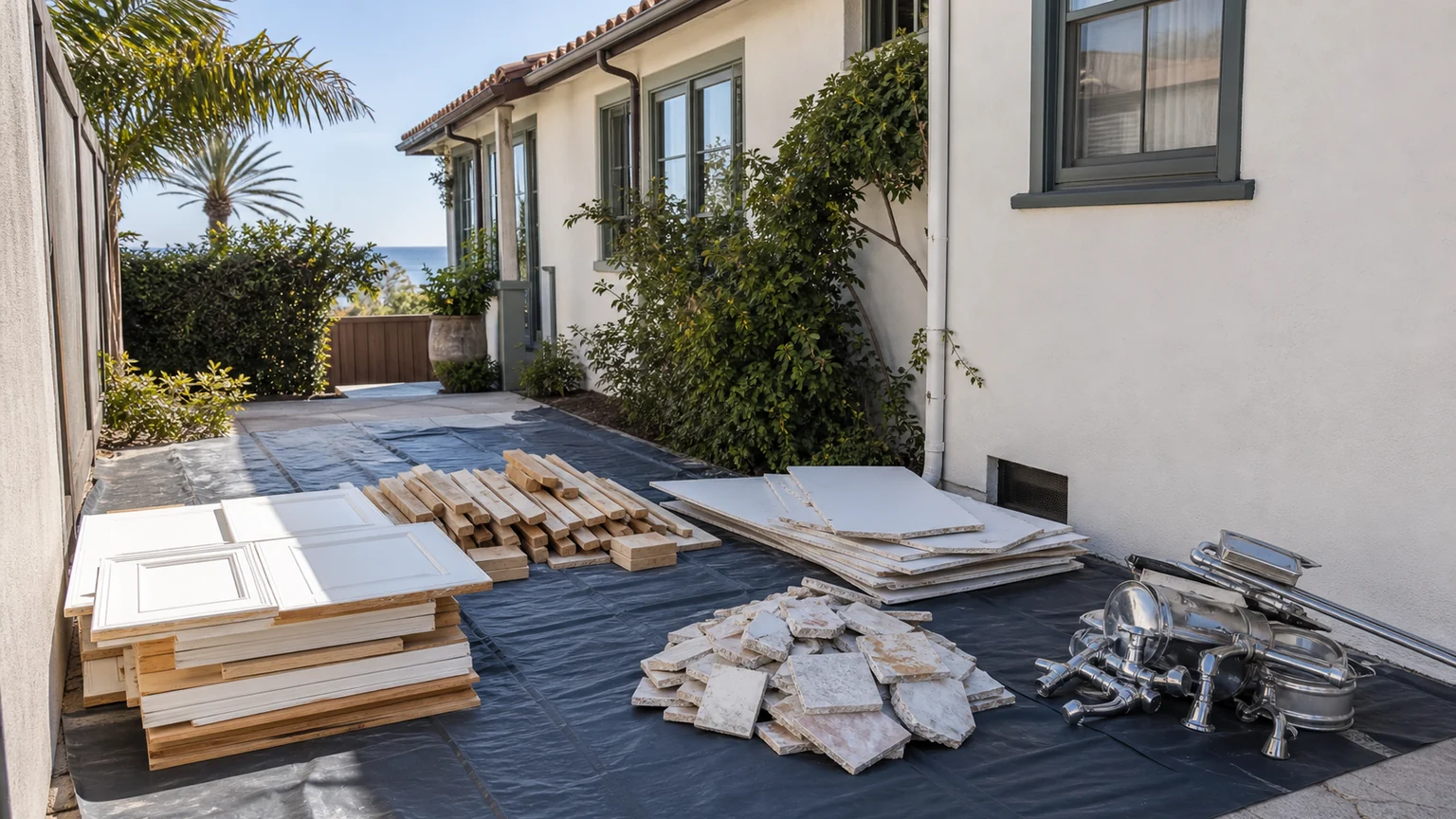
Cabinets, lumber, and drywall describe capacity. Tile, mortar, plaster, and fixtures reveal weight. Showing both sides keeps the size comparison honest.
Use the 15–40 yard options to compare general project volume. Use the exact long, shallow 10 yard lowboy to begin the clean heavy-material conversation.
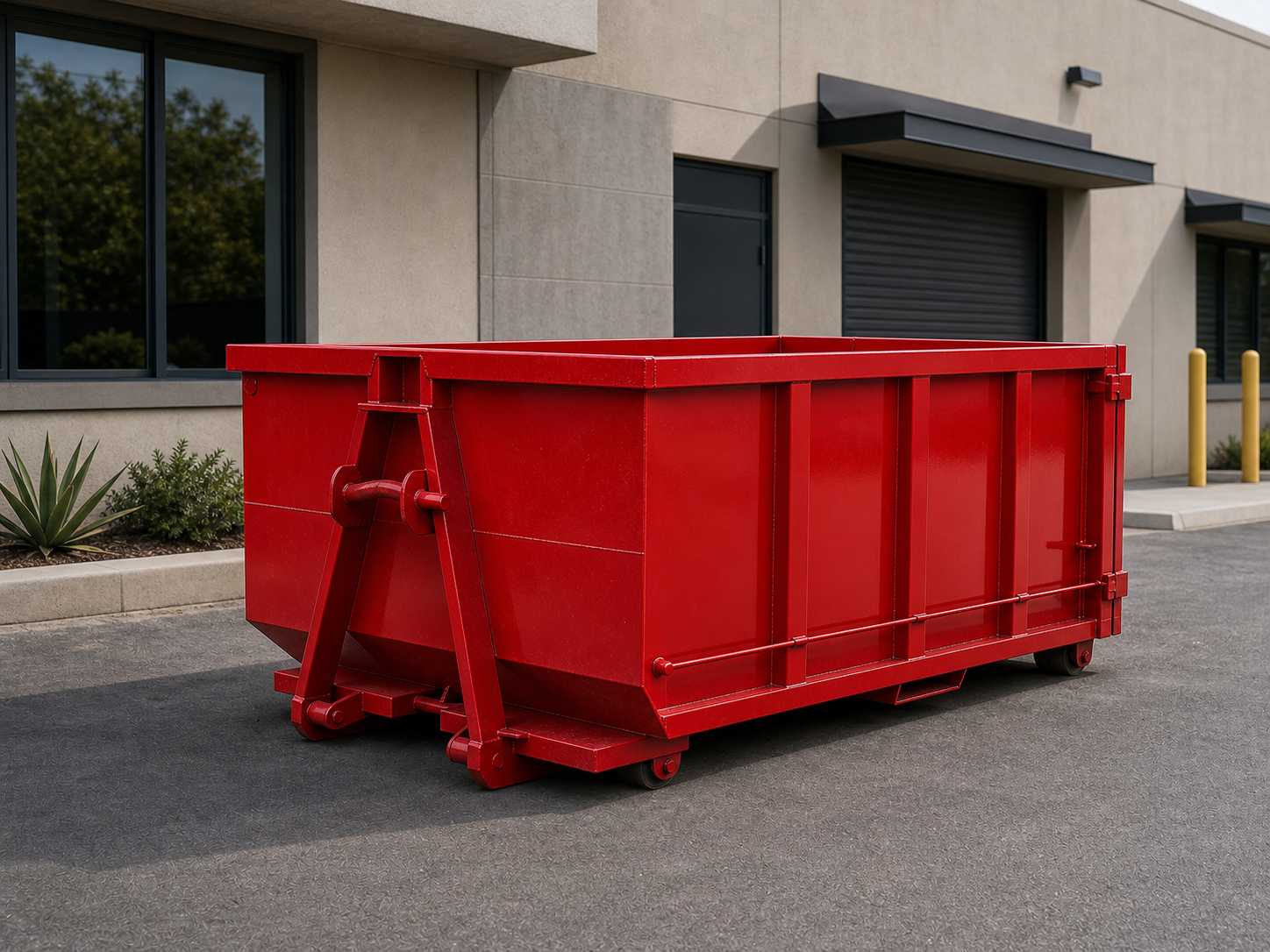
11.5'L × 8'W × 5'H
Medium cleanouts · Small bath remodels · Yard waste
Open size details →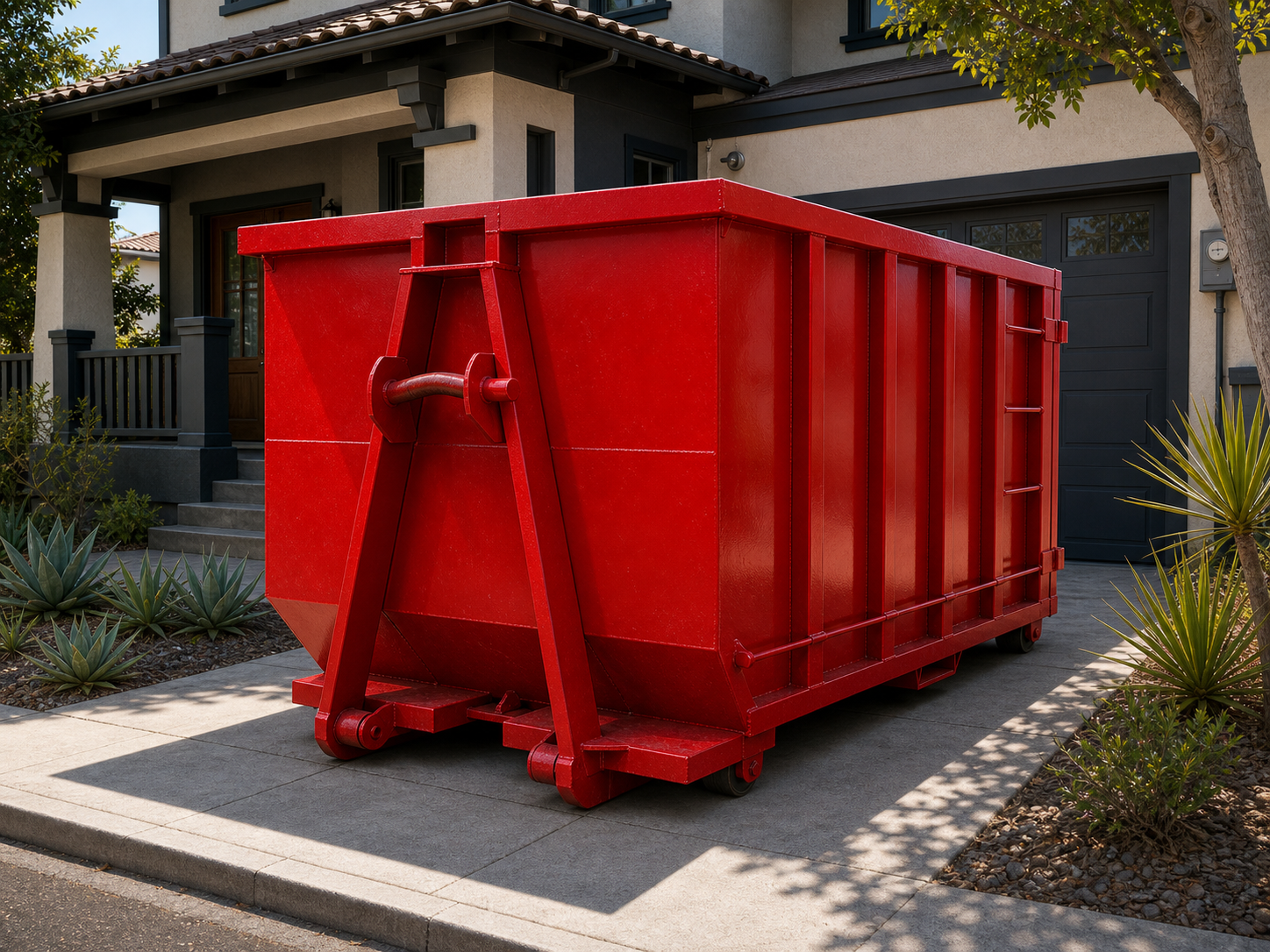
11'L × 8'W × 6'H
Construction debris · Roofing tear-offs · Larger cleanouts
Open size details →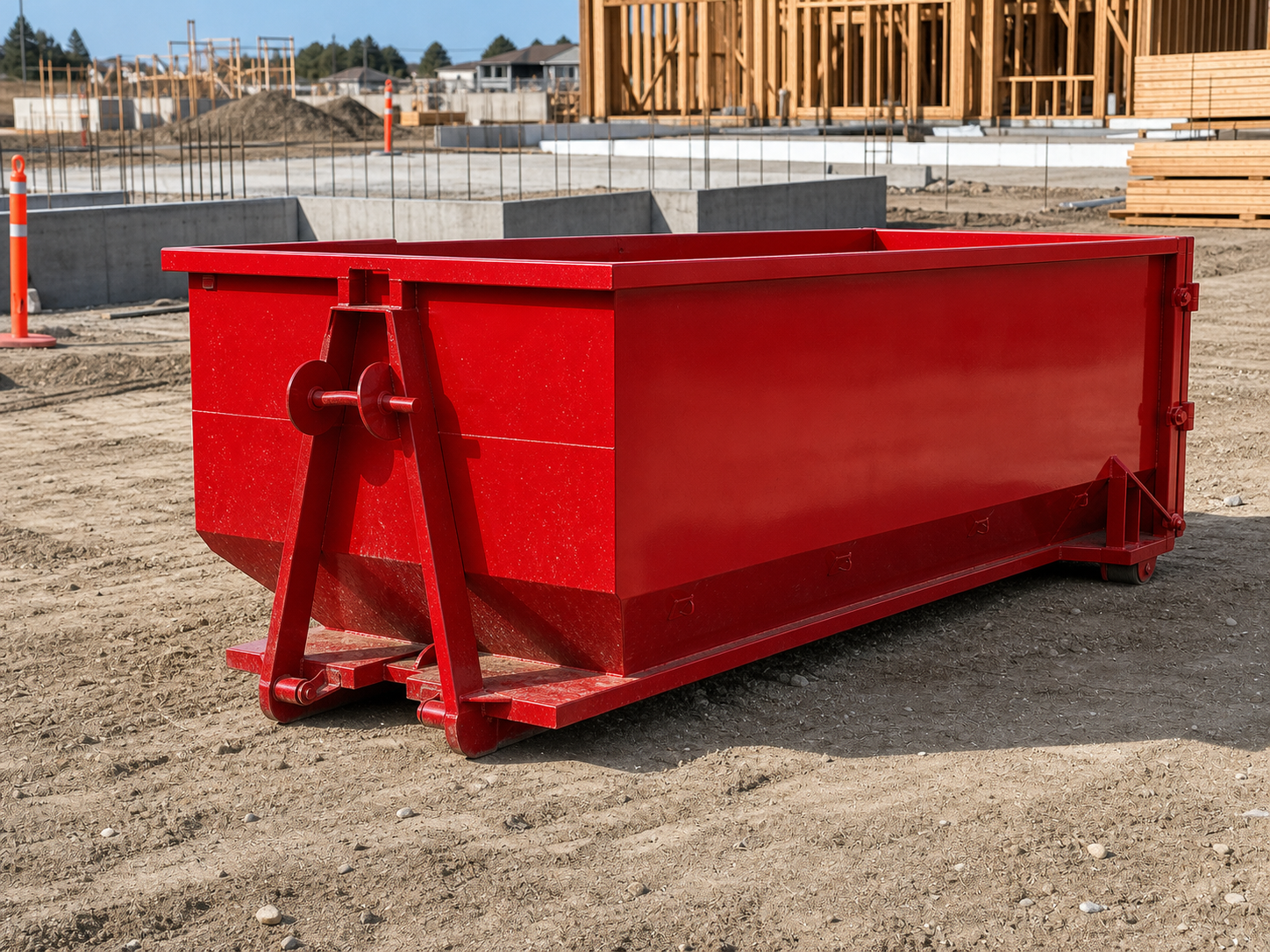
18'L × 8'W × 6.5'H
Large remodels · Whole-home cleanouts · Commercial jobs
Open size details →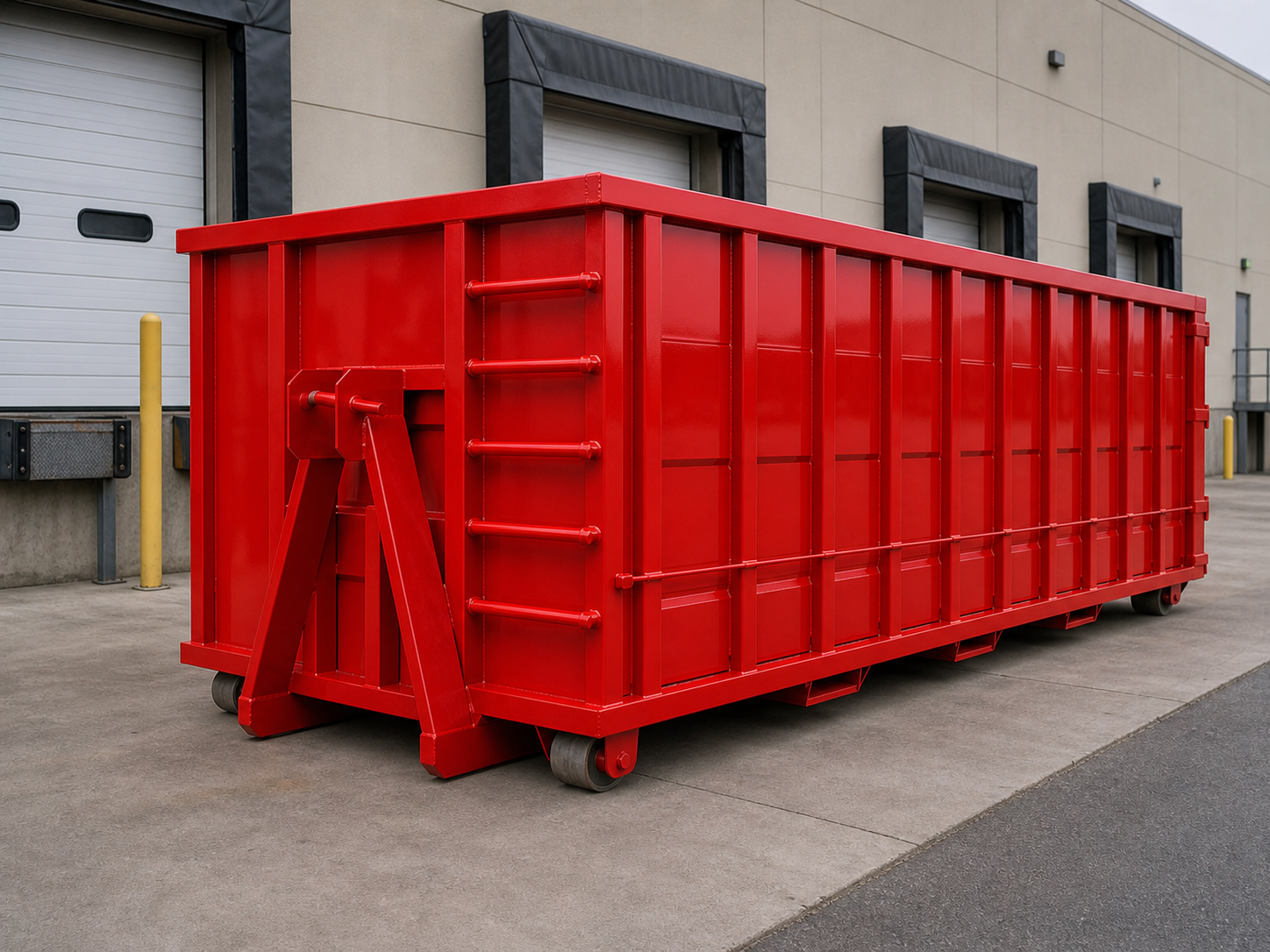
18'L × 8'W × 7.5'H
Major construction · Large demolition · Industrial cleanouts
Open size details →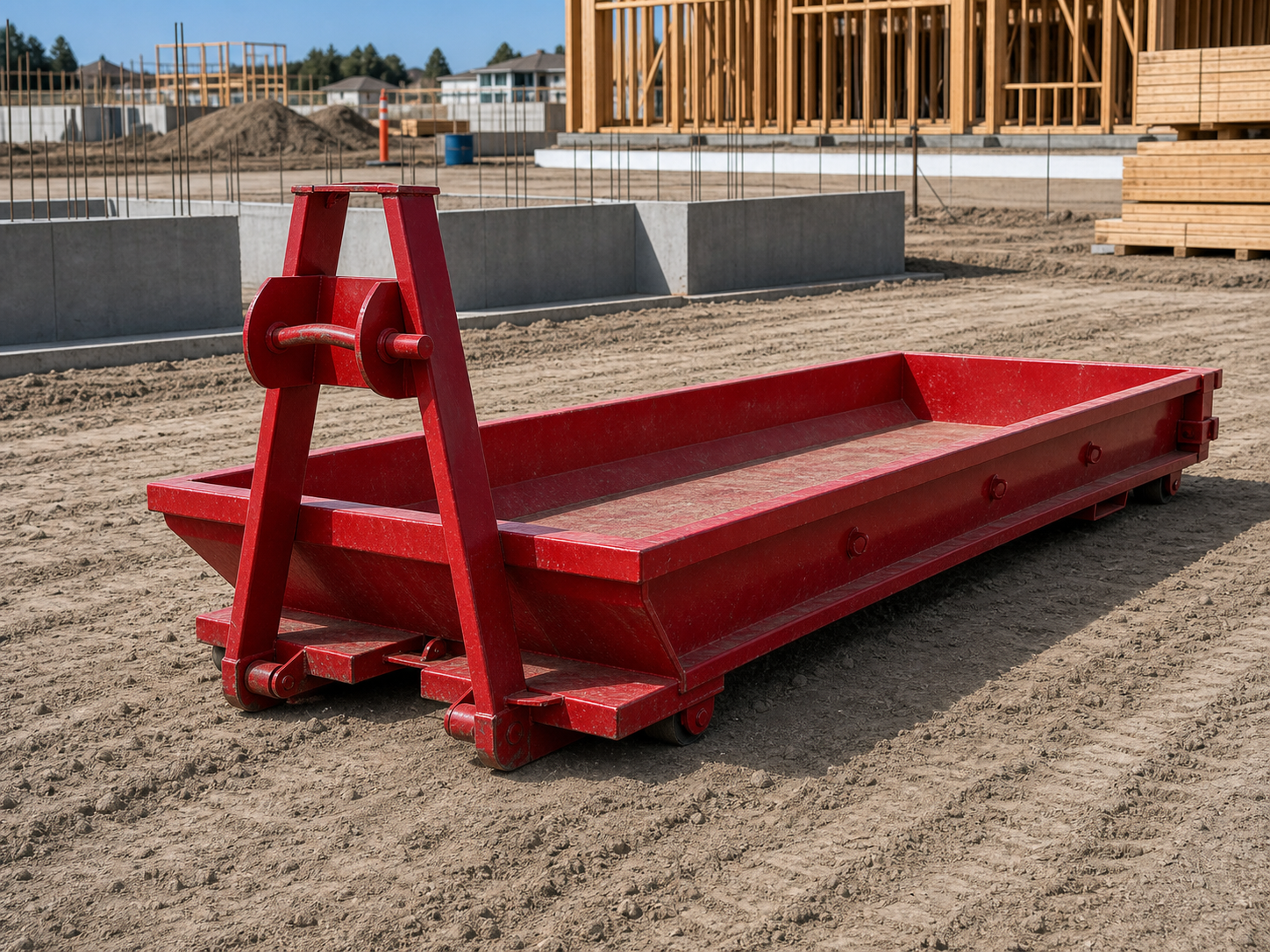
18'L × 8'W × 2'H
Heavy materials only · Driveway tear-outs · Excavation & ADU dirt
Open size details →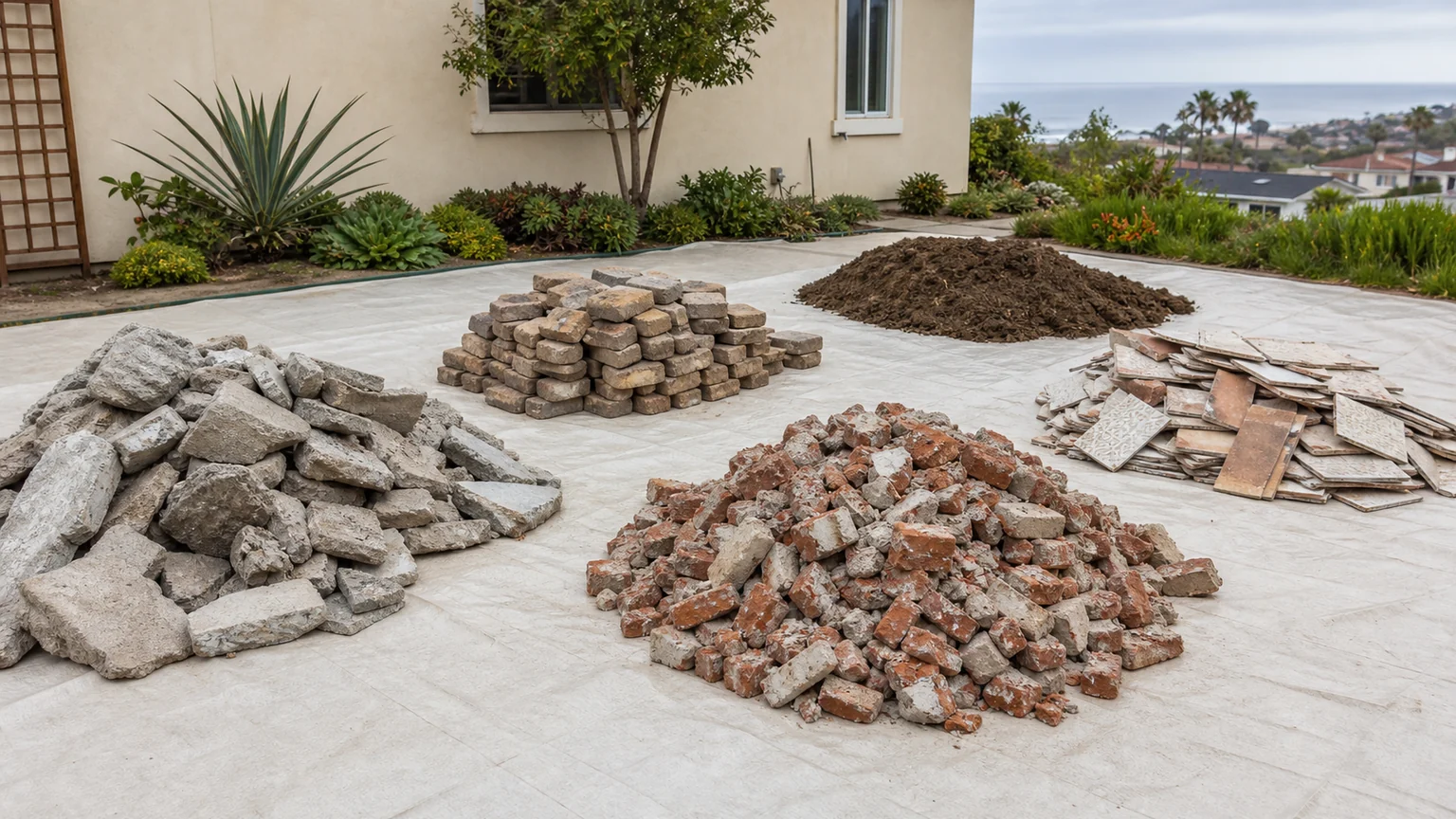
Furniture, boxes, shelving, rugs, light wood, cabinets, and general household pieces usually begin as a volume question.
Drywall, lumber, roofing, flooring, fixtures, packaging, and general construction material need a clear phase and quantity.
Eligible clean concrete, soil, rock, asphalt, brick, stone, pavers, tile, and mortar may go only in a reviewed 10-yard lowboy. Never load or mix them into a general-debris dumpster.
Hazardous materials, paint, liquids, chemicals, batteries, propane, tires, electronics, medical waste, and asbestos are prohibited. Do not load them. Appliances require Haul’n Off approval before loading.
The address, debris, weight exposure, timing, and driveway—not the ZIP alone—shape the project terms. Put the complete load on one page before comparing a quote.
Street address and ZIP anchor the route, local requirements, and placement conversation.
The yardage must fit the bulky portion of the load without relying on a guessed city average.
Household goods, roofing, green waste, mixed construction, and clean heavy material are not interchangeable.
Dense layers can change the plan even when plenty of visual container space remains.
Preferred delivery, active loading days, pickup, and possible extension belong in one timeline.
Gate width, slope, surface, overhead obstacles, turning room, and public-space questions affect placement.
The City’s La Jolla plan describes a largely built-out community shaped by hillsides and infill. For a dumpster request, the useful translation is practical: measure the exact private approach and surface instead of assuming a neighborhood-wide fit.
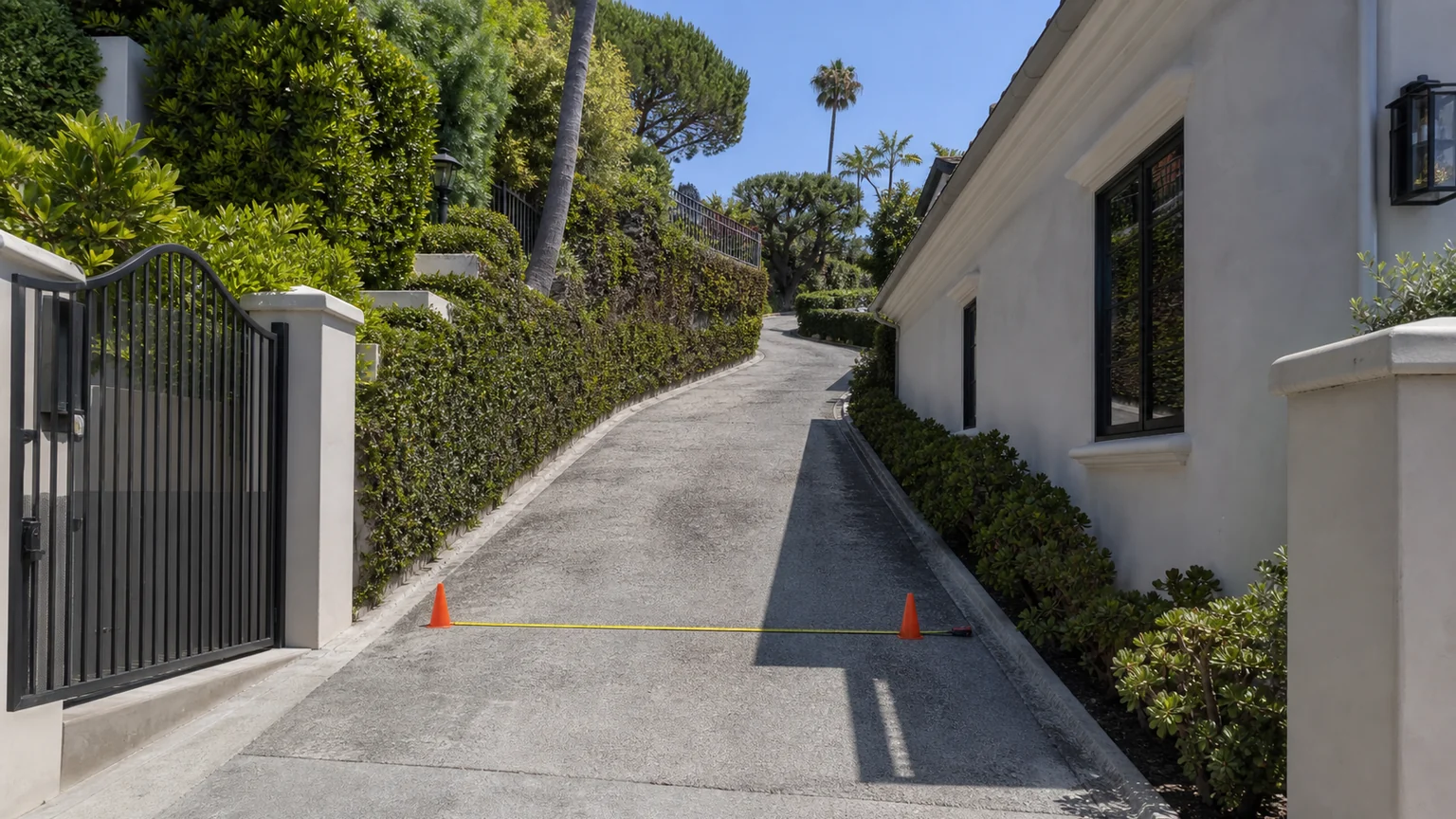
Infill work can make staging and private set-down space part of the first conversation.
Use the exact address, private approach, and current City requirements—not a neighborhood assumption.
Photograph the driveway, gates, parked-car constraints, and the full return path.
Slope, retaining walls, turns, and overhead clearance deserve measured access notes.
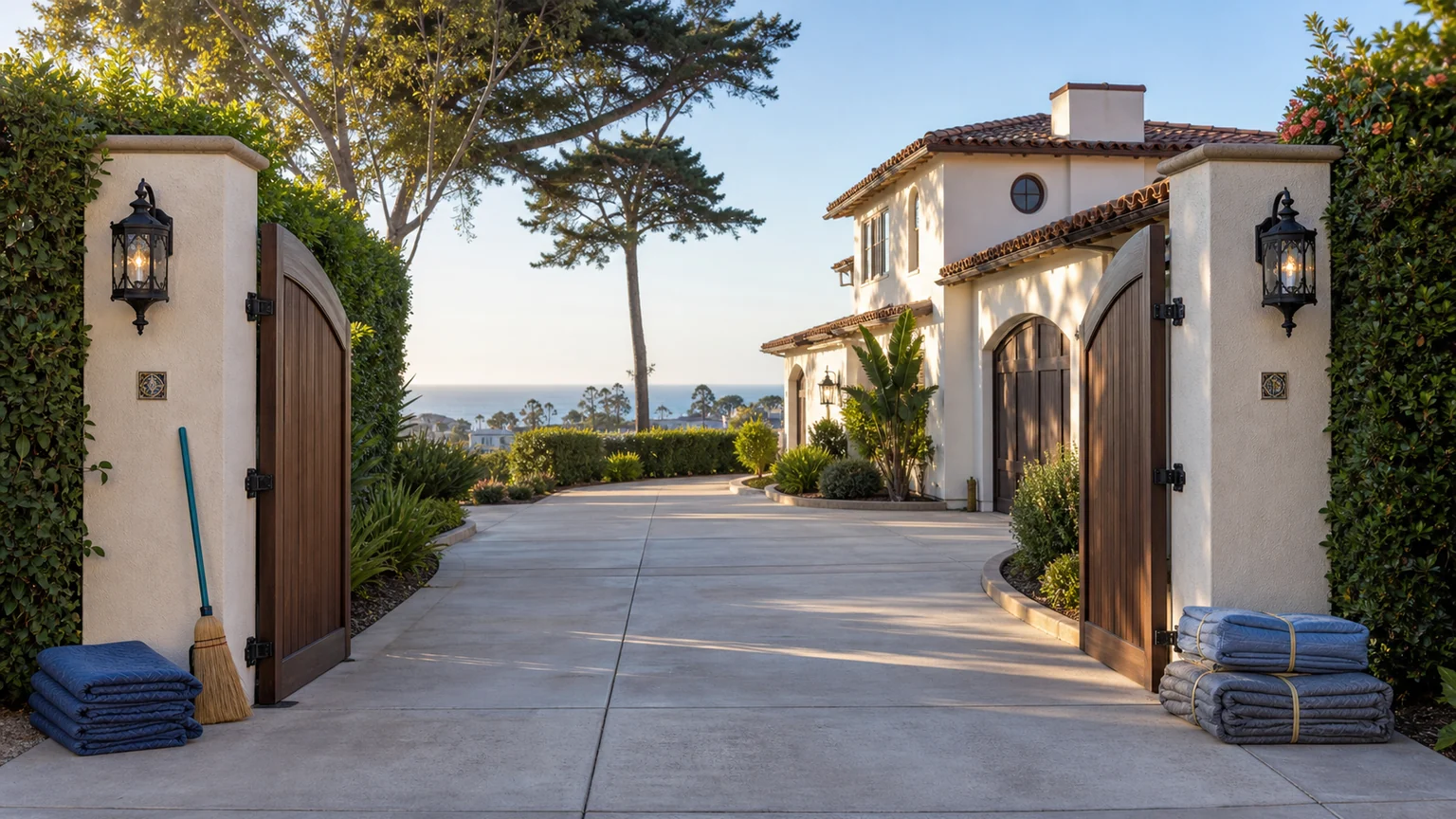
Move cars, open gates, and clear the approach before placement.
Keep debris within the reviewed mix, safely distributed, and below the top rail.
Secure loose pieces and recreate the same unobstructed route for pickup.
Most of this page is about the load, size, quote inputs, and property approach. Public-space placement and covered permitted C&D work add separate City of San Diego steps.
City Information Bulletin 718 says a Traffic Control Permit is required when a temporary storage container or dumpster encroaches into the public right-of-way, including the sidewalk area. Verify the current process for the exact location before relying on public-space placement.
Read City Information Bulletin 718 ↗The City says its C&D Debris Deposit Ordinance applies to the majority of construction, demolition, and remodeling projects requiring specified permits and identifies a 65% by-weight diversion requirement for covered permits issued on or after July 1, 2016. Confirm current applicability and documentation.
Review City C&D guidance ↗Share the street address, project type, itemized debris list, estimated amount, preferred dates, and intended placement area. Include gate and driveway measurements, slope or surface concerns, overhead obstacles, and photos when they clarify the pile or approach. Those details make the first size and access review more useful.
A 15 or 20 yard container is a sensible comparison for a focused room, garage, or apartment cleanout. A 30 or 40 yard option may fit a multi-room, estate, or whole-property project. Count furniture, shelving, boxes, rugs, and bagged contents because bulky items consume volume before the load becomes especially heavy.
Break the job into the phase producing debris and list the material from that phase. Cabinets, drywall, lumber, flooring, roofing, fixtures, and packaging use capacity differently, while tile, mortar, plaster, and shingles add weight. General project debris may call for a 20, 30, or 40 yard comparison, but dense material needs its own review.
Start with the 10 yard lowboy and identify the exact material and estimated quantity. Clean heavy debris can reach a practical weight limit while the container still looks partly empty. Keep it separate from household contents, wood, roofing, green waste, and mixed construction debris until the load plan is confirmed.
A quote for your job depends on the address, dumpster size, debris type, estimated weight, rental window, and delivery or pickup access. Public-space placement, a difficult approach, and uncertain material can also change the price. Send the complete job details rather than relying on a citywide price or an old advertised rate.
Measure the usable set-down area, the narrowest gate or approach, turning and exit room, slope, overhead clearance, and surface condition. Move vehicles, open gates, trim or identify low branches, discuss surface protection, and keep the entire route available again for pickup. Photos from the street toward the placement point can make the geometry easier to review.
La Jolla is within the City of San Diego. City Information Bulletin 718 says a Traffic Control Permit is required when a temporary storage container or dumpster encroaches into the public right-of-way, including the sidewalk area. Verify the current permit process for the exact location before planning around public-space placement.
The City of San Diego says its C&D Debris Deposit Ordinance applies to the majority of construction, demolition, and remodeling projects requiring building, combination, or demolition permits. The City identifies a 65% by-weight diversion requirement for covered permits issued on or after July 1, 2016. Confirm current applicability and required records for the project’s permit requirements.
Hazardous materials, paint, liquids, chemicals, batteries, propane, tires, electronics, medical waste, and asbestos are prohibited. Do not load them. Appliances require Haul'n Off approval before loading. Eligible clean heavy material may go only in a reviewed 10-yard lowboy and cannot be mixed with general debris. Approved appliances cost $75 per appliance.
The form securely submits the entered details to Haul’n Off’s CRM for staff review. A request does not by itself confirm service, price, inventory, timing, delivery, placement, pickup, or permit status.
Use the project check to compare all five sizes against the real material and approach. Review the quote for your job and terms before scheduling.
Page updated