
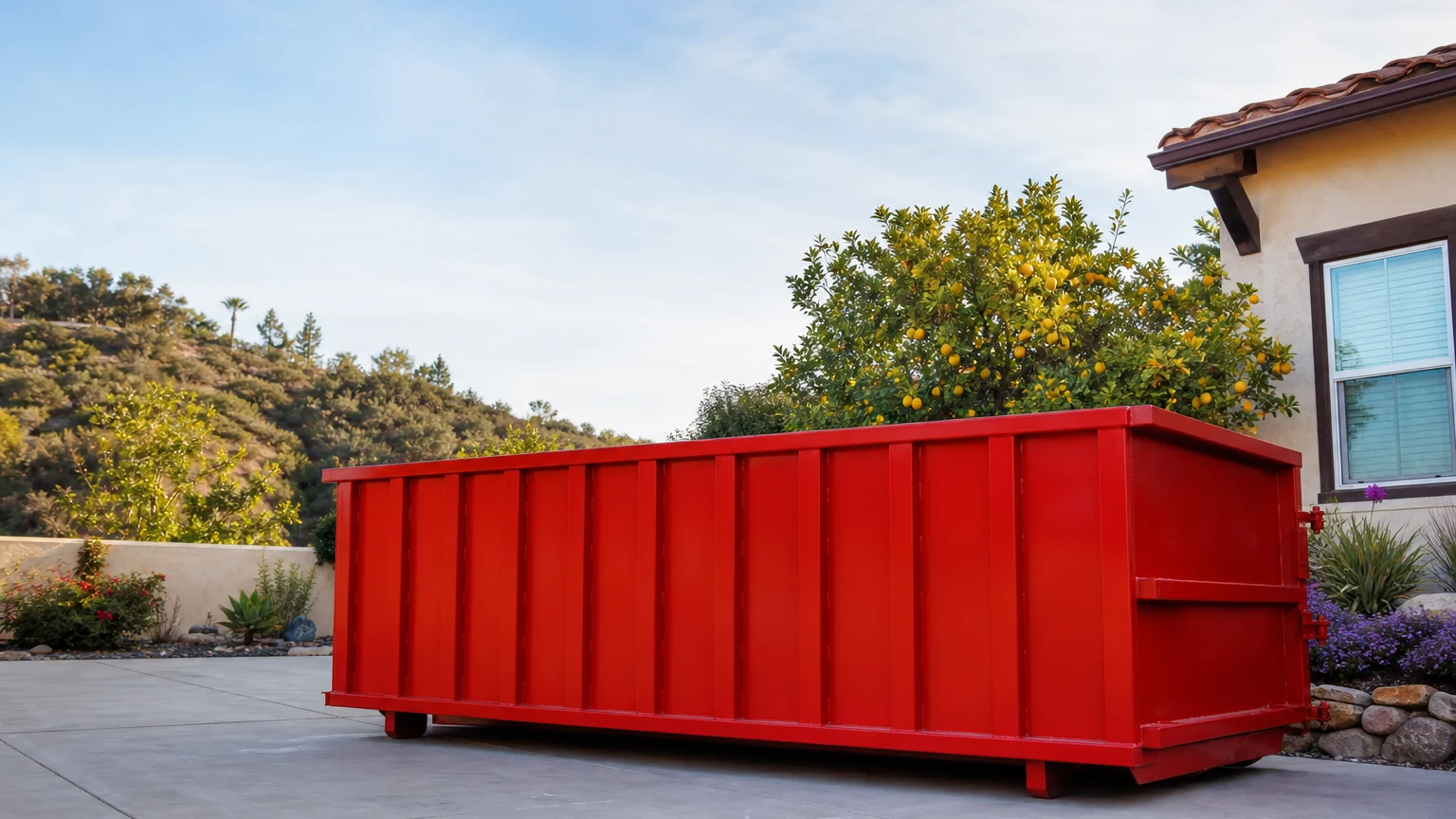
HOME01
Household and garage cleanouts
Count sofas, mattresses, shelving, rugs, boxes, and long pieces. Show the entire pile so the largest items do not disappear from the estimate.
Compare cleanup choices →Project, pile, property, pickup
Compare Rancho San Diego dumpster rentals for a household cleanout, remodeling phase, roofing job, construction site, yard project, or property turnover. Start with the waste, then check size, weight, access, timing, and the pickup route.
A project label gives us the first clue. The actual objects and material decide the useful size and loading questions.
Count sofas, mattresses, shelving, rugs, boxes, and long pieces. Show the entire pile so the largest items do not disappear from the estimate.
Compare cleanup choices →List cabinets, counters, drywall, tile, mortar, flooring, fixtures, and packaging. Separate the dense pieces from the lighter material.
Plan a temporary dumpster →Share the roof area, material, layer count, and whether decking, stucco, or siding is leaving. Weight can matter before the bin looks full.
Review construction options →Match the dumpster to the current phase. Tear-out, framing, rough work, and finish work create different waste streams and loading needs.
See roll-off guidance →Name branches, fencing, soil, rock, pavers, block, or concrete. Do not treat dense material like ordinary yard debris.
Plan debris removal →Inventory flooring, fixtures, furniture, shelving, packaging, and bulky waste. Add gate, parking, work-hour, and service-area details.
See the rental process →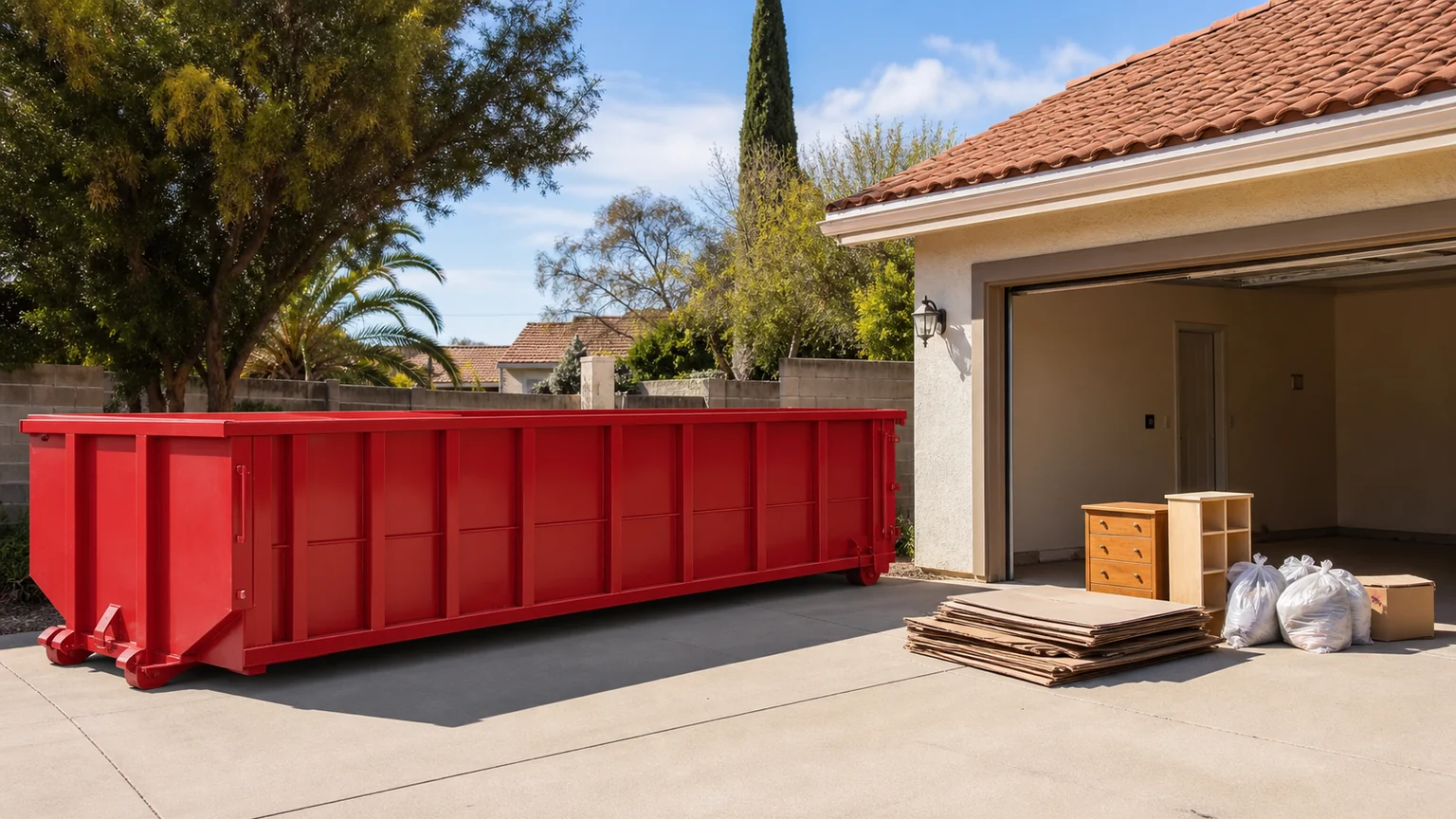
Take one wide photo, then record the largest, heaviest, longest, and least familiar items. That creates a clearer starting point than guessing by room count.
Furniture, cabinets, long trim, and shelving can use more floor space than a bag count suggests.
Tile, mortar, dirt, roofing, and masonry add weight quickly. Name them instead of calling the load mixed debris.
Cardboard, branches, drywall offcuts, and light tear-out can look small until the whole pile is gathered.
Take a close photo and ask. Do not guess about liquids, cylinders, batteries, electronics, or unfamiliar material.
These are planning comparisons from Haul’n Off’s current size information. The address, route, waste, weight, and schedule still need review before a size is confirmed.
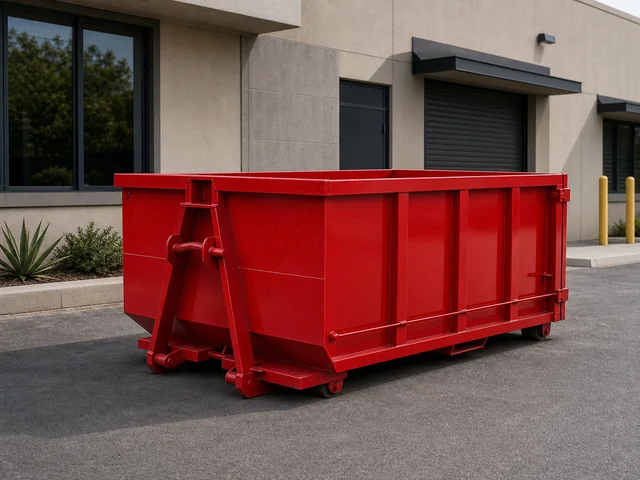
11.5'L × 8'W × 5'H
A focused cleanout, bathroom tear-out, or smaller yard project.
Open size guide →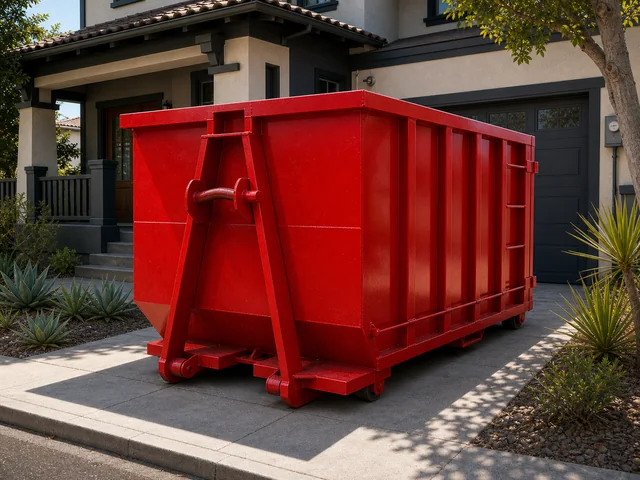
11'L × 8'W × 6'H
A larger cleanup, roofing job, or active remodeling phase.
Open size guide →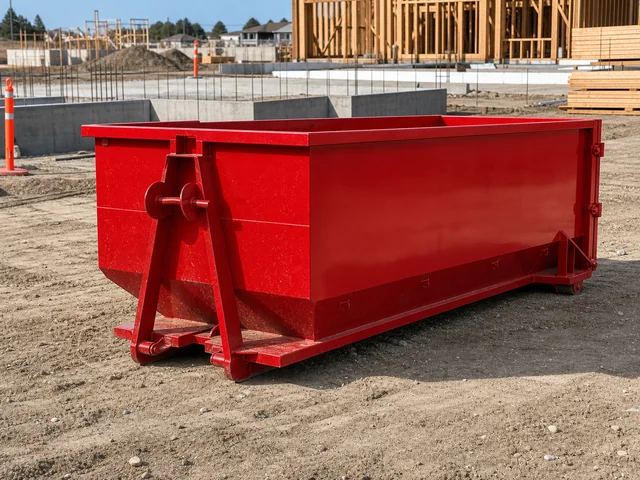
18'L × 8'W × 6.5'H
Bulky home contents, a large renovation, or construction volume.
Open size guide →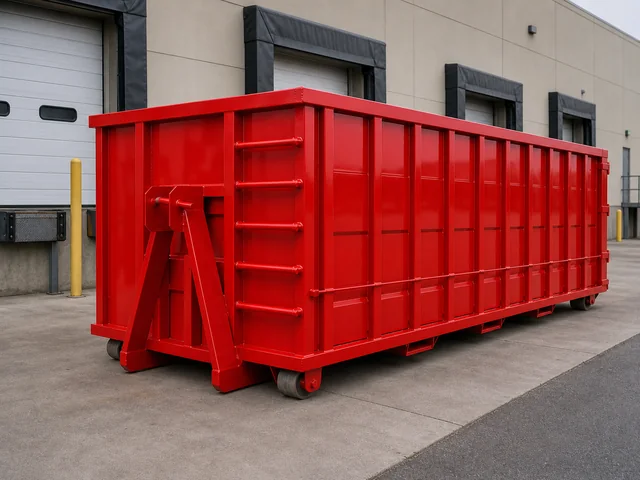
18'L × 8'W × 7.5'H
High-volume, lighter debris from major construction or property work.
Open size guide →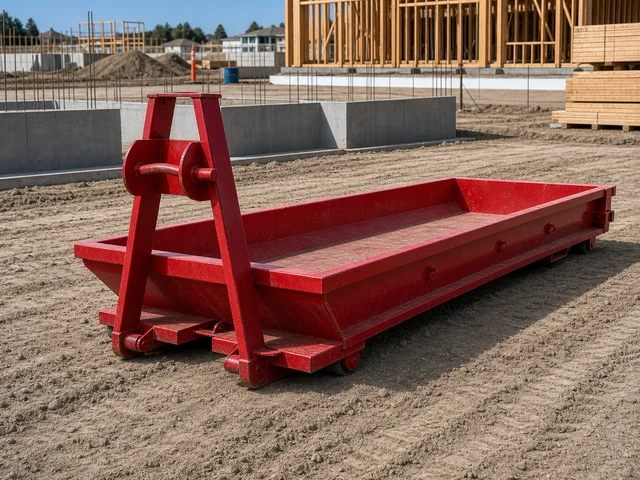
18'L × 8'W × 2'H
Clean concrete, soil, brick, block, stone, or pavers after the load is reviewed.
Open size guide →Volume and weight do not behave the same way. A cleanout may fill the walls. Tile, concrete, soil, and masonry can reach a safe limit much sooner.
Examples: Furniture, rugs, boxes, cabinets, shelving, doors, and general household debris.
Break down safe items, count the largest pieces, and keep long objects inside the walls.
Examples: Drywall, lumber, roofing, flooring, fixtures, siding, and job packaging.
Call out tile, mortar, counters, masonry, or other dense pieces before the lighter material is combined.
Examples: Concrete, clean soil, brick, block, stone, rock, asphalt, and pavers.
Give the exact material and amount. Keep the load separate until the heavy-debris plan is confirmed.
Hazardous materials, paint, liquids, chemicals, batteries, propane, tires, electronics, medical waste, and asbestos are prohibited. Do not load them. Appliances require Haul'n Off approval before loading. Keep every item below the top edge and inside the container walls.
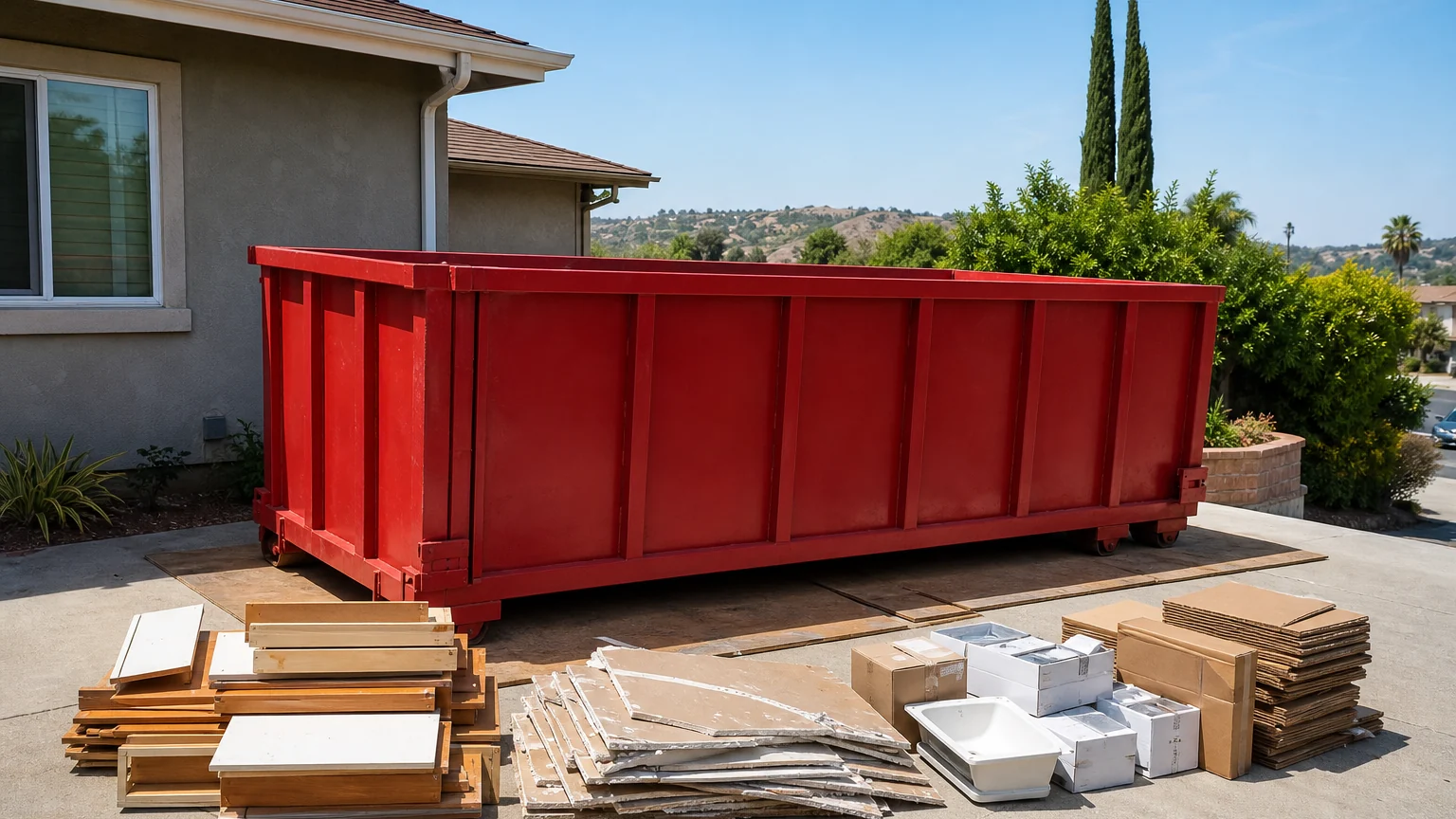
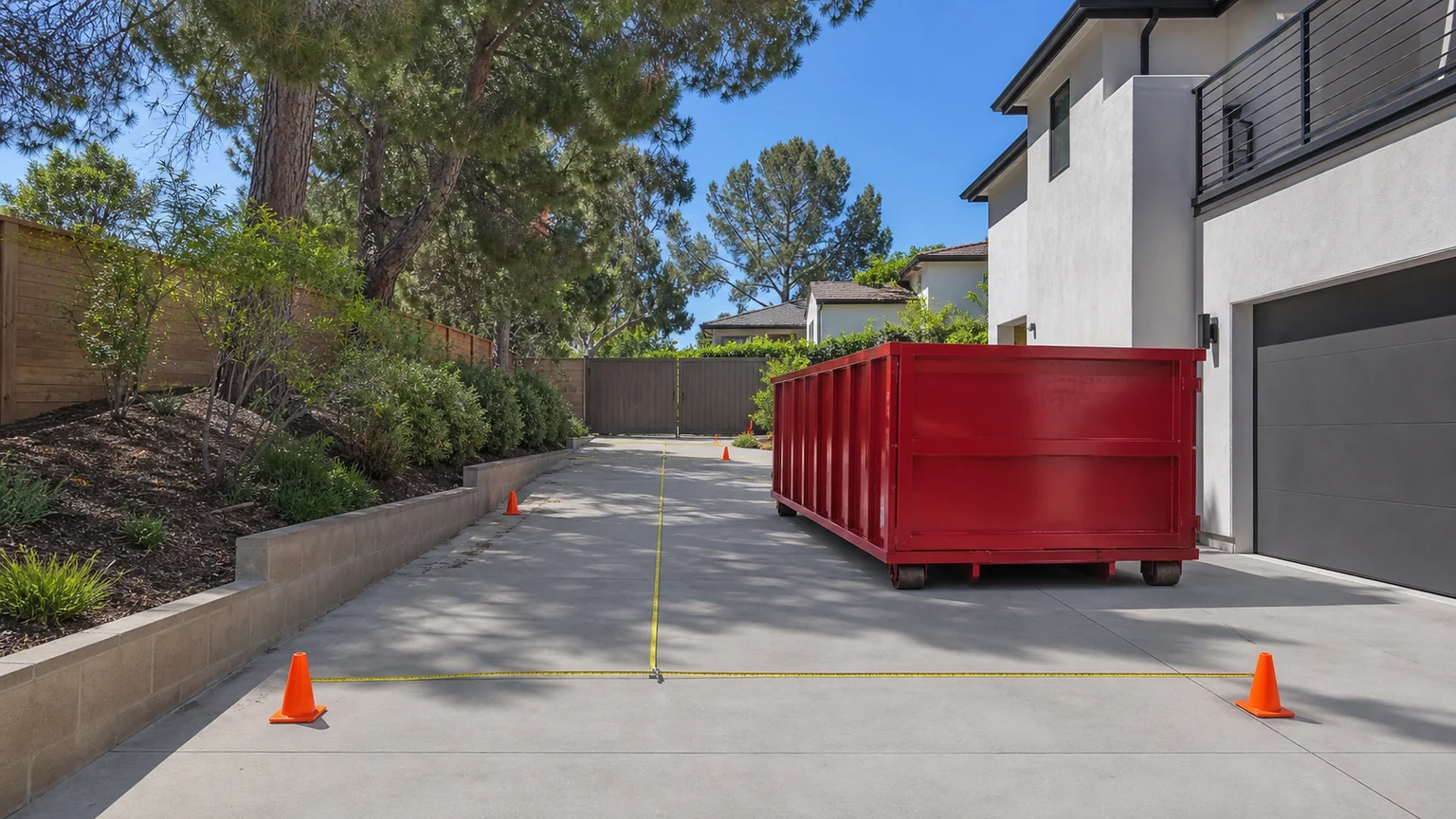
Follow the path from the street to the proposed footprint and back out again. Record the turn, ground, slope, gates, side room, and overhead space.
Photograph the turn, curb, parked cars, and the first narrow point.
Check the driveway width, gates, walls, landscaping, and changes in slope.
Record usable length and width. Note concrete, asphalt, pavers, gravel, drains, or soft ground.
Find wires, branches, roof edges, balconies, fences, and other side or overhead limits.
The same lane must reopen for collection after the container is loaded.
Use the same facts when you compare options. A low number without the same size, material, weight, days, access, and handling details is not a clean comparison.
The size must fit the waste volume, weight, and usable space.
Bulky, dense, mixed, and restricted items can change the plan.
Roofing, tile, soil, concrete, and masonry may become heavy early.
Address, turns, slope, surface, gates, and clearance matter.
Preferred dates, rental length, work phases, and pickup timing need review.
Extra days, overages, added trips, or changed material can affect the total.
Confirm the placement idea, move vehicles, open gates, protect needed surfaces, and gather the waste list.
Follow the reviewed material plan. Keep dense waste spread as directed and every item below the rail.
Stop loading, sweep loose debris, and clear vehicles, tools, pallets, and temporary barriers from the route.
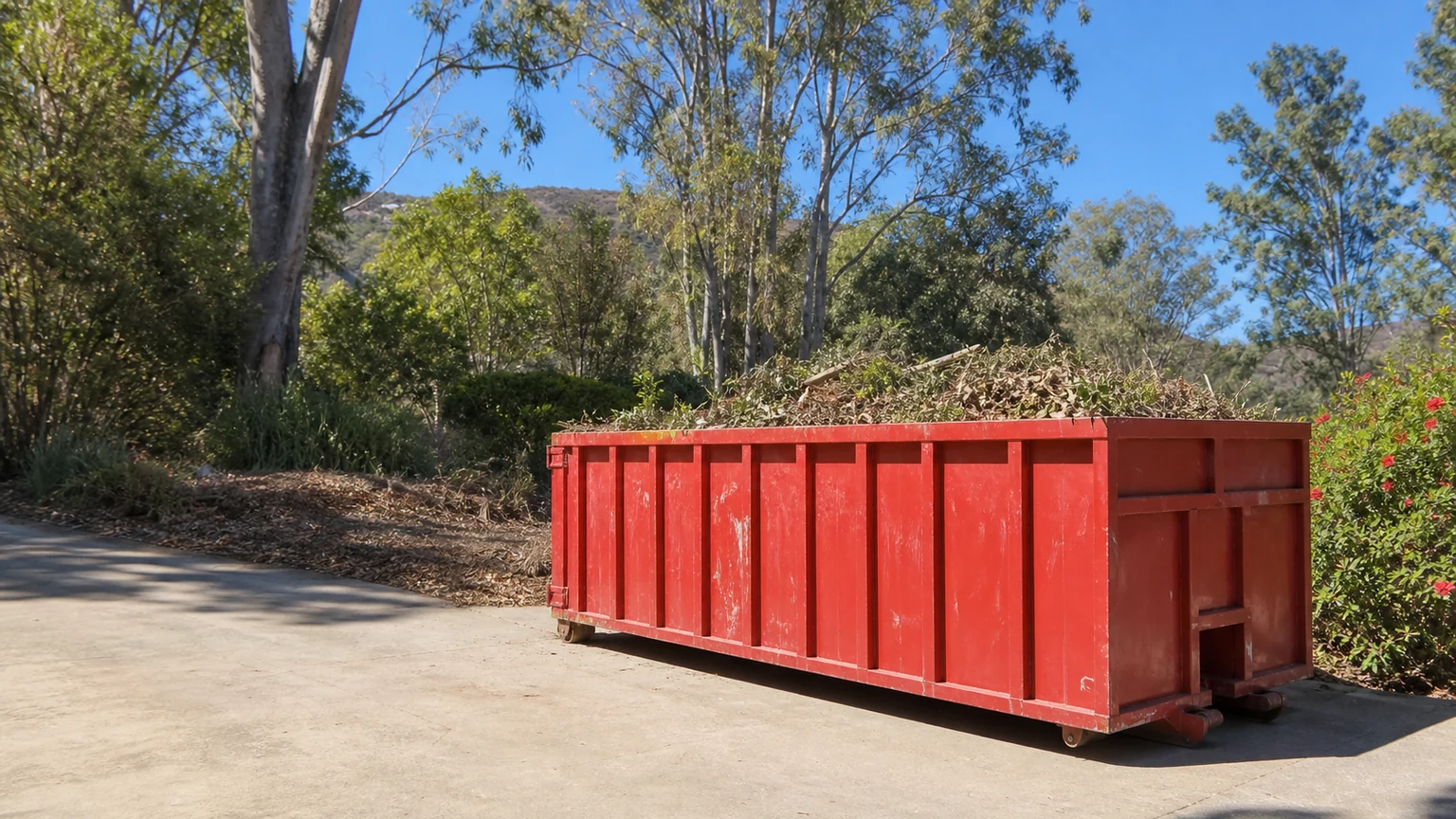
The County of San Diego lists Rancho San Diego within the Valle de Oro Community Planning Area. It describes Valle de Oro as part of the unincorporated county, south of El Cajon and east of La Mesa.
That tells us which public resources to consult. It does not tell us whether a driveway, gated lane, hillside approach, parking area, or job site fits a dumpster.
Open the County Valle de Oro planning page ↗Balance the dumpster footprint with garage access, daily parking, walkways, landscaping, and surface protection.
Check gates, common lanes, parking controls, and property approval before using shared space.
Measure transitions and turning room. A site can look open from above while the actual route is tight.
Keep customer, tenant, employee, emergency, and service access open through the rental.
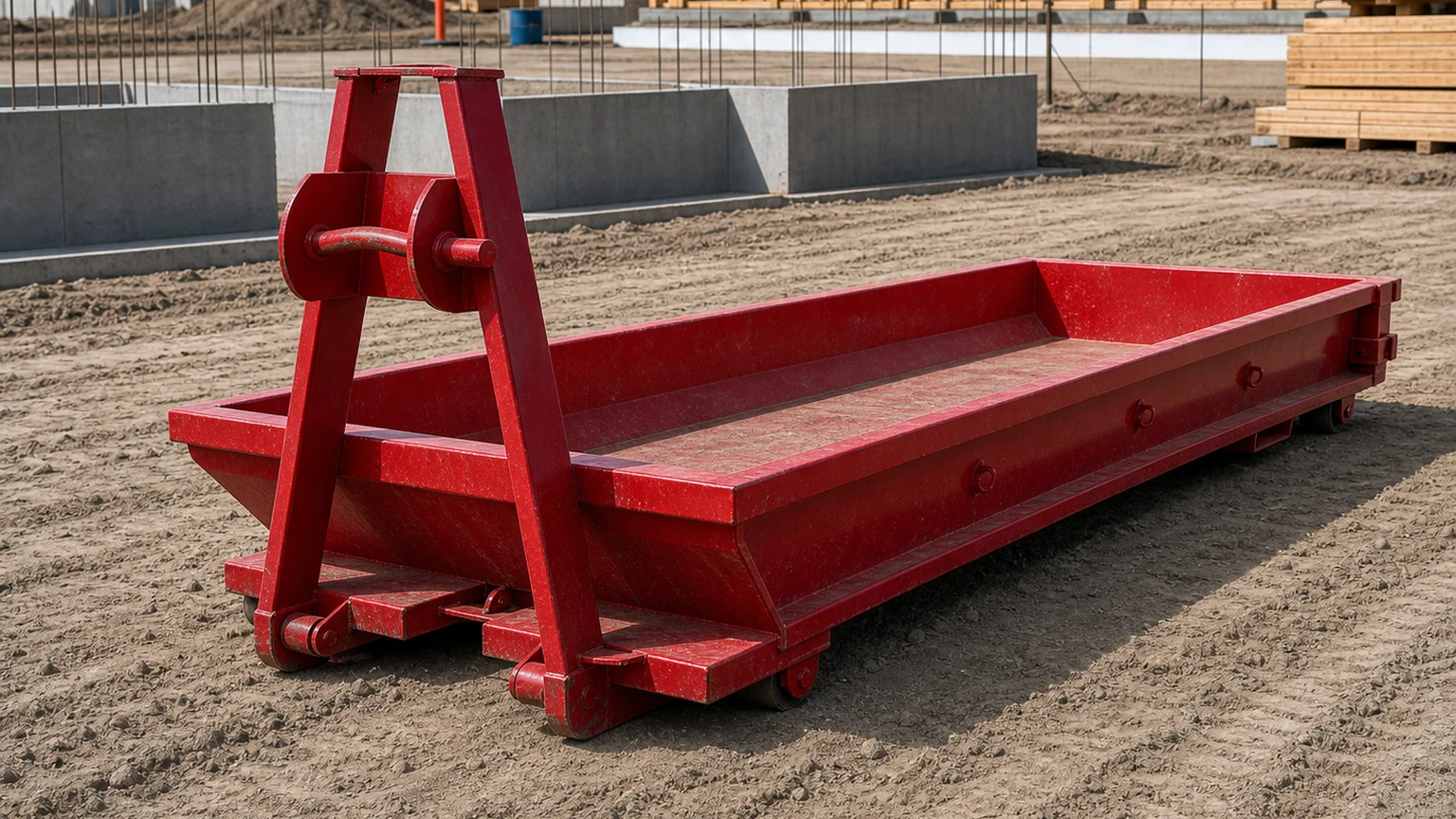
Tell us whether the load is concrete, clean soil, brick, block, rock, asphalt, stone, or pavers. Add the pile dimensions and note any mixed material.
The shallow 10-yard lowboy may be the first dumpster to compare. Keep material separate and wait for the loading plan before filling it.
Most of this page is about the rental itself. These official links are here for the narrower cases that involve a public right-of-way or a permit-related construction project.
The County Public Works page lists right-of-way and encroachment permit materials. If the proposed spot uses a street or other public space, check the current County process before delivery planning.
Open County permit resources ↗The County provides construction and demolition recycling steps for projects in unincorporated areas. If your job is tied to a permit, review the current debris-management instructions and record needs.
Open County recycling guidance ↗Share the delivery address, project, debris, estimated amount, preferred dates, and dumpster size if you know it. Add photos and measurements for the driveway, gate, slope, or work area. Haul’n Off reviews those details before confirming service, size, price, delivery, or pickup.
Start with the largest pieces and the total pile, not the number of rooms. A 15-yard dumpster can be a useful first comparison for a focused cleanup. Larger 20-, 30-, and 40-yard options hold more volume. The final choice still depends on the debris, weight, address, access, and timing.
It depends on the exact material mix and weight. List drywall, lumber, roofing, flooring, cabinets, tile, mortar, and fixtures separately. Heavy pieces can change the load plan even when they come from the same job. Ask before combining material.
Eligible clean concrete, dirt, soil, rock, asphalt, brick, block, stone, pavers, and tile may go only in a reviewed 10-yard lowboy. Never load them in a general-debris dumpster or mix them with household, roofing, wood, or construction debris.
Measure the usable length and width of the spot, the narrowest gate, and the approach from the street. Note slope, surface, parked vehicles, walls, drains, branches, wires, and roof edges. Include the path needed to collect the loaded dumpster later.
Public-space use is different from a private driveway. Rancho San Diego is in unincorporated San Diego County, and the County lists right-of-way and encroachment permit information through Public Works. Check the current County process before planning a street or other public-space placement.
The main factors are dumpster size, waste type, estimated weight, exact address, access, rental timing, and extra handling. Mixed or restricted material, added days, overages, changed pickup conditions, or another trip may also affect the total. Compare quotes using the same project details.
Keep every item below the top edge and inside the walls. Nothing should hang over a side. Spread dense material as directed, keep the area around the container clear, and ask before adding a waste type that was not part of the original plan.
Hazardous materials, paint, liquids, chemicals, batteries, propane, tires, electronics, medical waste, and asbestos are prohibited. Do not load them. Appliances require Haul'n Off approval before loading. If an item is unrecognized, leave it out and send a photo. Approved appliances cost $75 per appliance.
Stop loading at the agreed time, check that the load is below the rail, and remove loose debris around the container. Reopen the full approach by moving vehicles, tools, pallets, temporary fencing, and other obstacles. Then coordinate the pickup request.
Send the address, debris list, pile estimate, preferred dates, and placement notes. Haul’n Off will review the request before confirming service, size, price, delivery, or pickup.
Page updated