
CLEAR01
Home, garage, and storage cleanouts
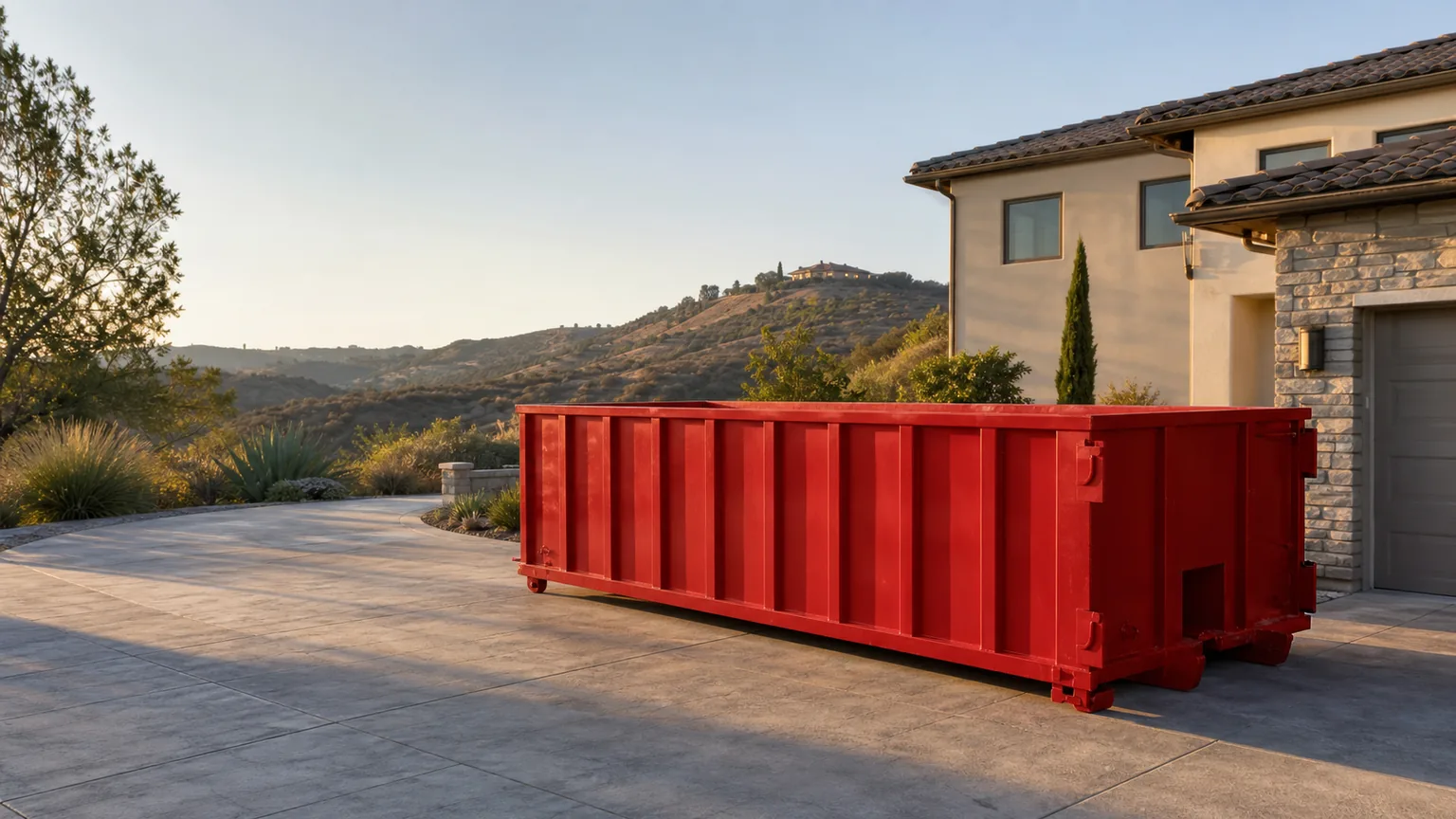
Count furniture, shelving, rugs, boxes, household items, and long pieces. The biggest objects often matter more than the number of bags.
Compare cleanup options →Project · Size · Access · Pickup
Compare San Marcos dumpster rentals for home cleanouts, remodeling, roofing, construction, landscaping, or heavy debris. Start with what you are removing. Then check the route and placement spot before you compare sizes.
The useful first step is not guessing a yard size. Name the job, the biggest objects, and every dense material. That turns a vague pile into a better comparison.
Count furniture, shelving, rugs, boxes, household items, and long pieces. The biggest objects often matter more than the number of bags.
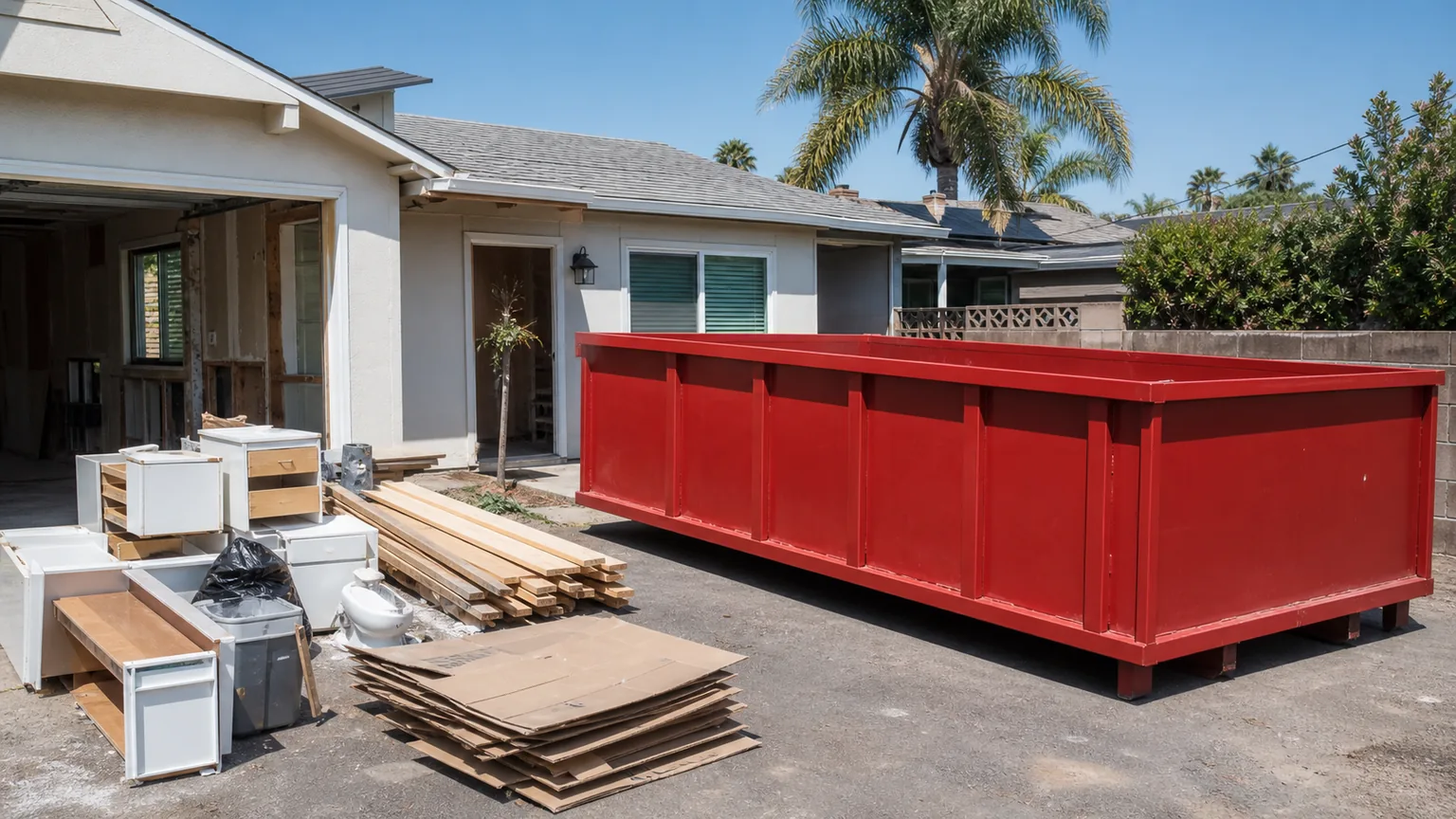
Compare cleanup options →List cabinets, counters, fixtures, flooring, tile, drywall, and packaging. Separate stone, concrete, and other dense material.
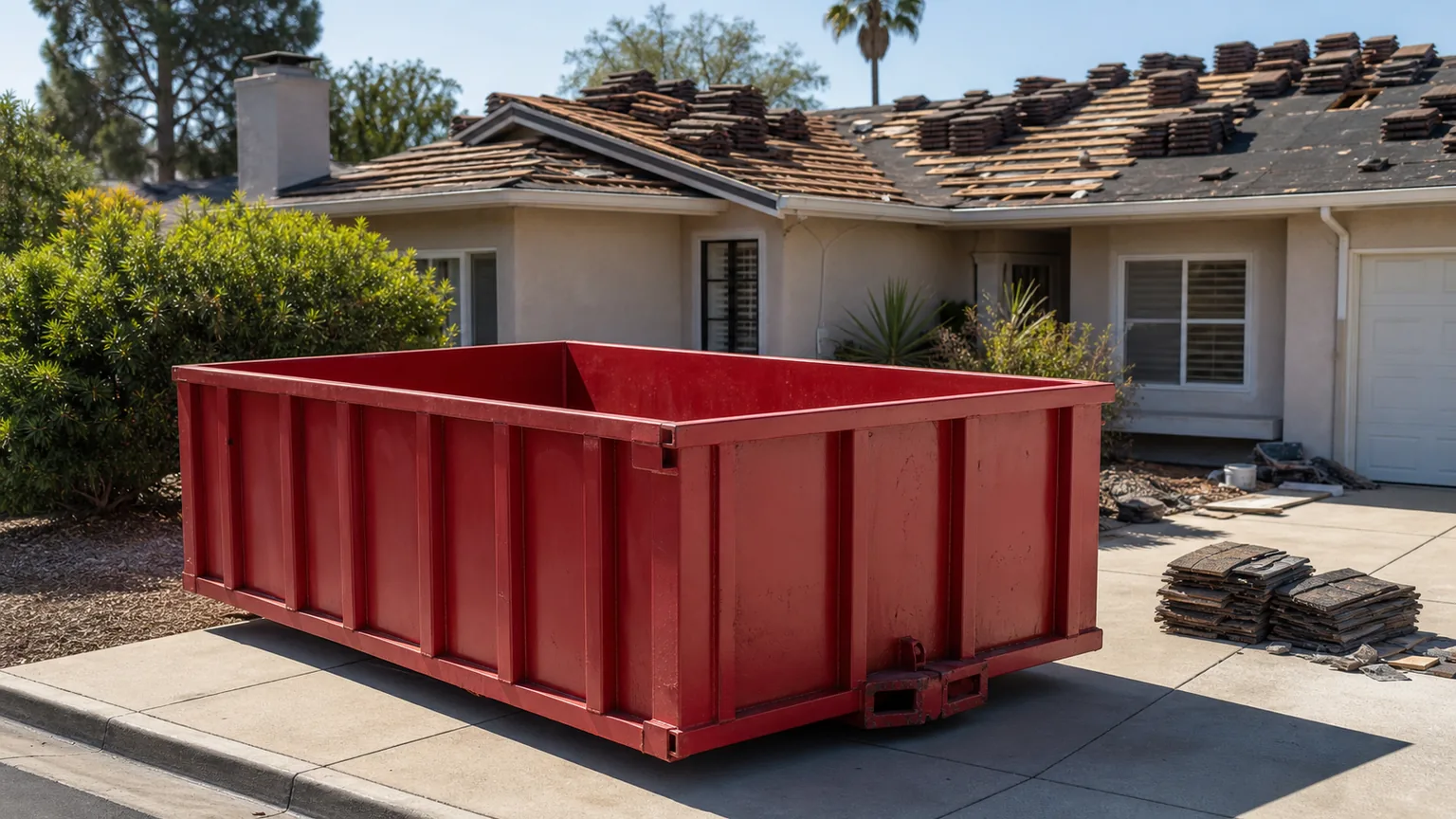
Plan remodel debris →Share roof area, material, layers, and any decking, tile, stucco, siding, or windows. Roofing weight can build before the bin looks full.
Open roofing guidance →Name the current work phase and list lumber, drywall, fixtures, framing scraps, packaging, masonry, and each dense item.
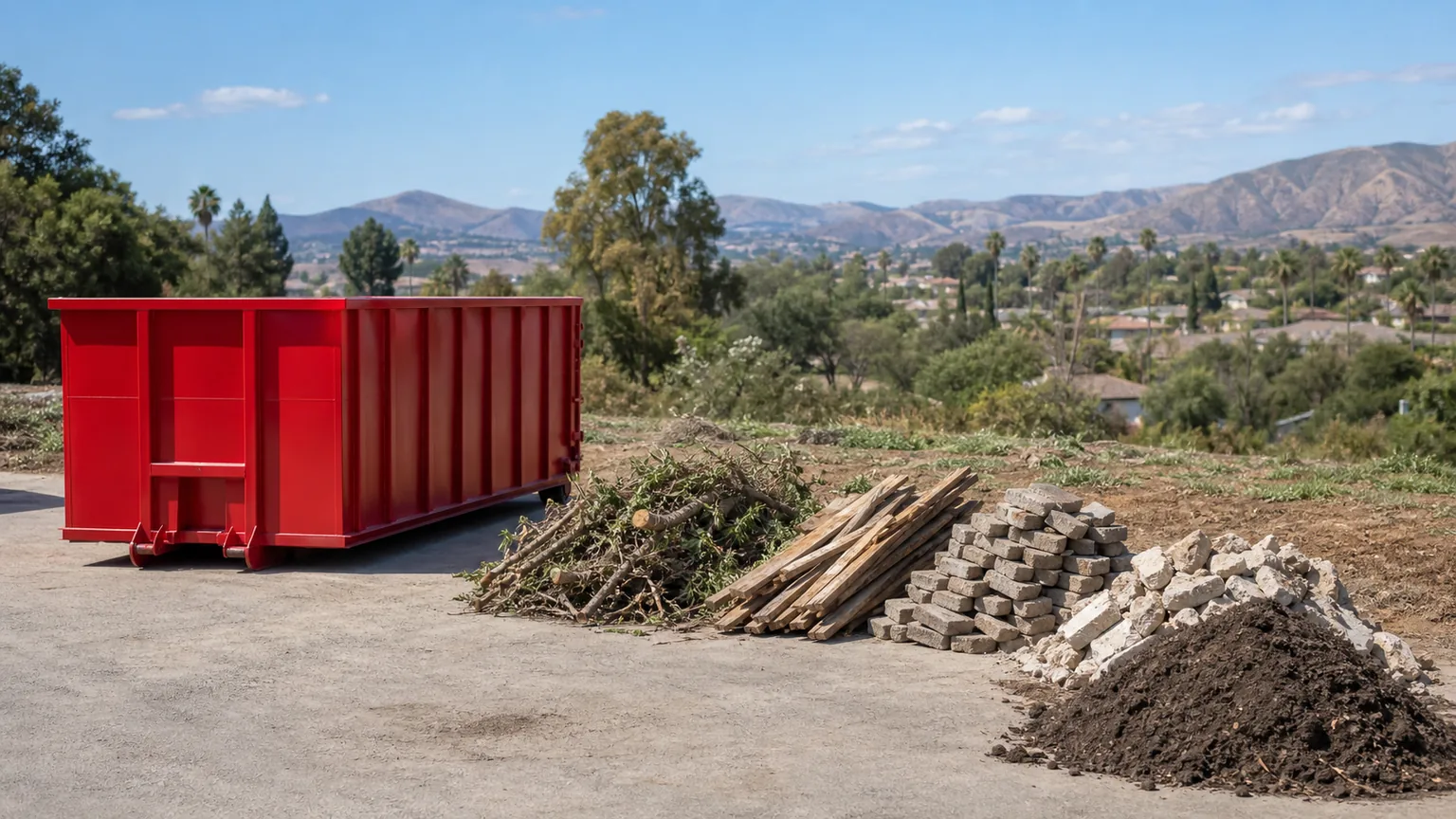
Review construction planning →Keep branches, brush, fencing, and light yard debris apart from soil, rock, pavers, asphalt, block, and concrete.
Plan outdoor debris →Give the exact material and pile dimensions. Clean heavy material needs a separate size and loading review before anything is loaded.
Compare the lowboy →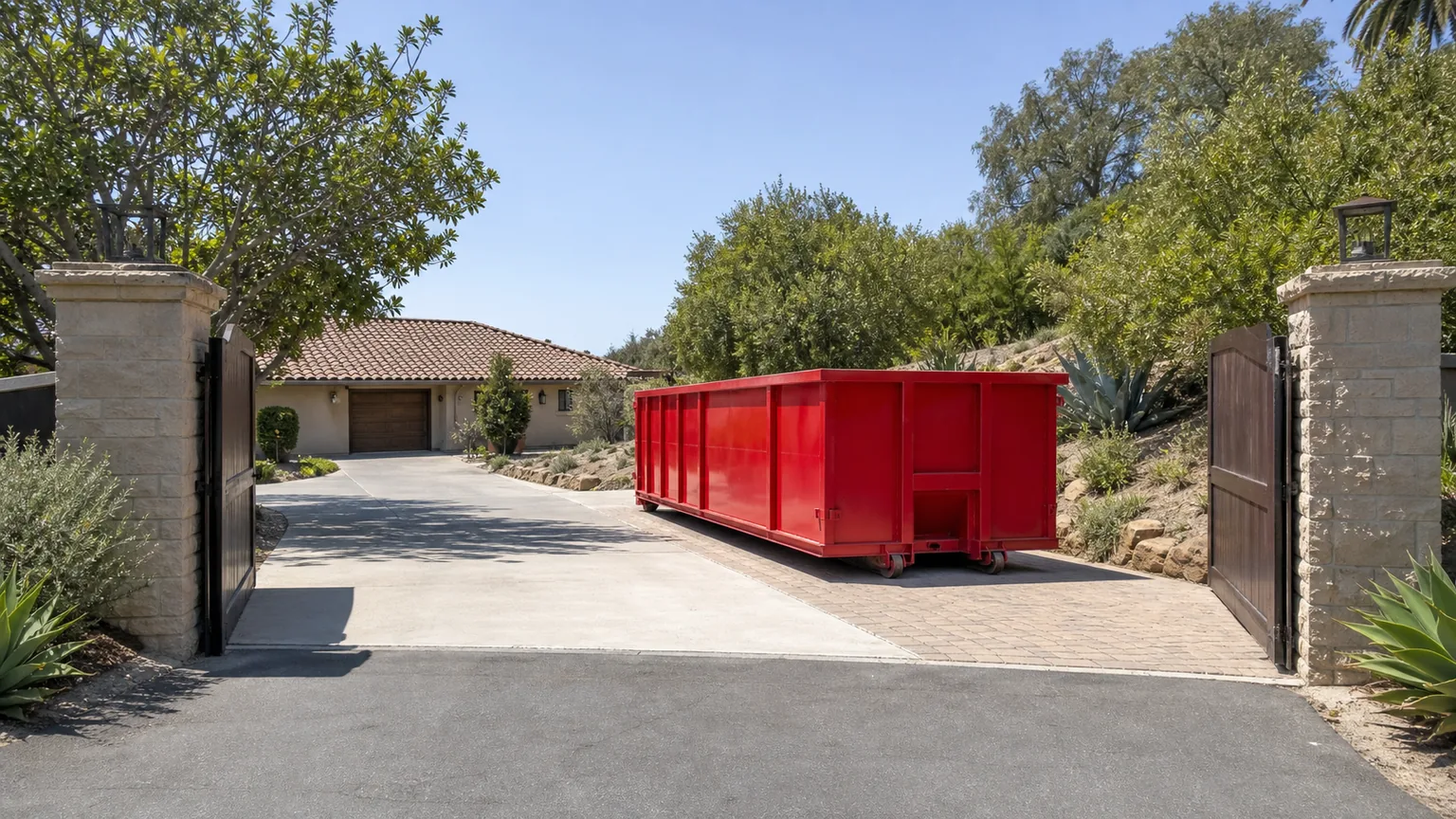
An open driveway can still hide one tight turn, steep change, low branch, or shared lane. Record the smallest usable point between the street and the placement idea.
Show the curb, parked vehicles, median, slope, and direction of travel near the property.
Measure the clear opening with gates fully open. Include posts, hinges, controls, and center stops.
Photograph the tightest turn, steepest section, crest, dip, and driveway transition.
Note walls, trees, roof edges, wires, lights, branches, and parked vehicles along the route.
Record the usable length, width, surface, slope, nearby doors, and space the job must keep open.
Keep the same lane clear after loading so vehicles, tools, pallets, and deliveries do not block pickup.
Read the image, dimensions, and common uses together. Then compare that footprint with the pile, weight, driveway, and work area. We’ll confirm the size after reviewing those details.
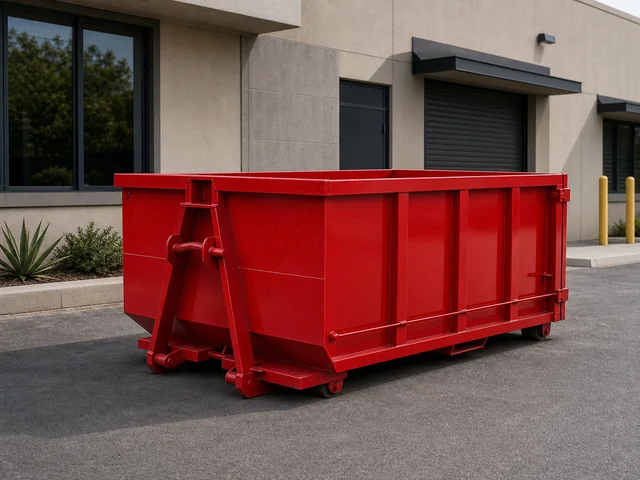
11.5'L × 8'W × 5'H
One room, a garage, a storage space, or a smaller yard pile.
View this footprint →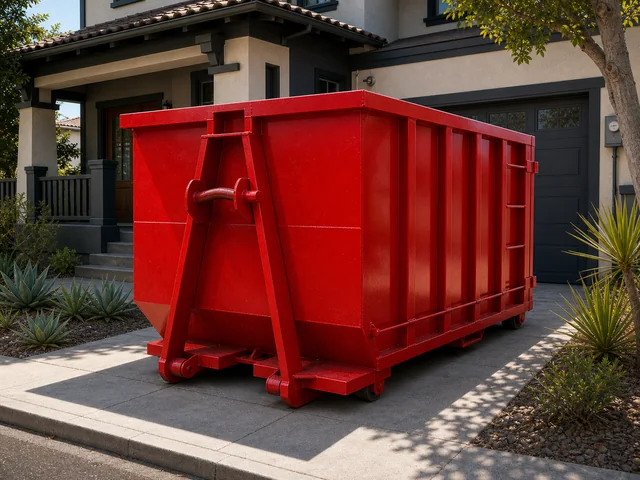
11'L × 8'W × 6'H
Several rooms, a roof tear-off phase, or a medium remodel.
View this footprint →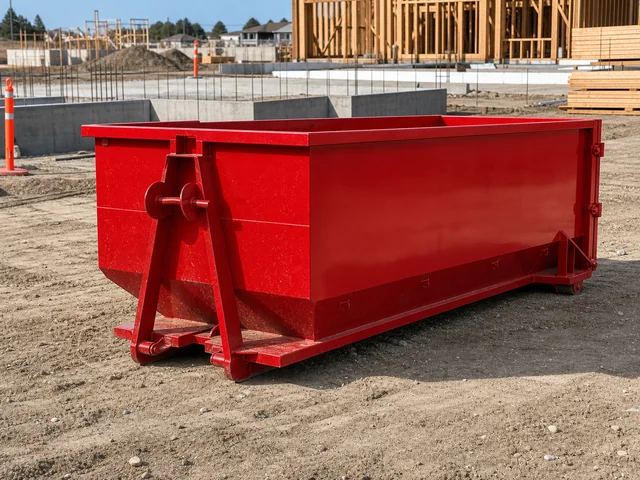
18'L × 8'W × 6.5'H
Bulky furniture, a multi-room cleanout, or steady contractor debris.
View this footprint →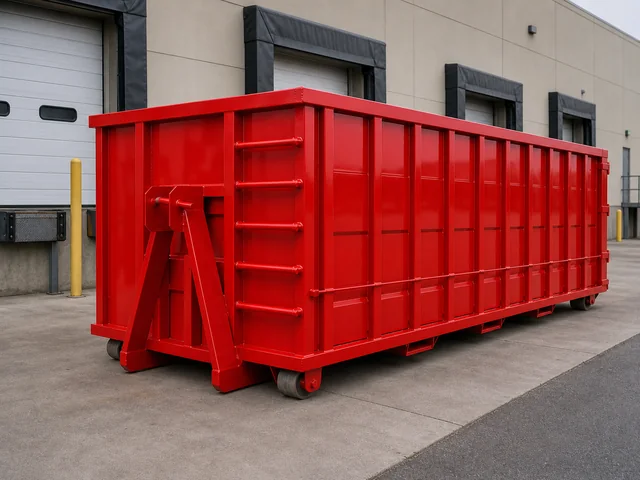
18'L × 8'W × 7.5'H
A large volume of lighter material from a major cleanout or build.
View this footprint →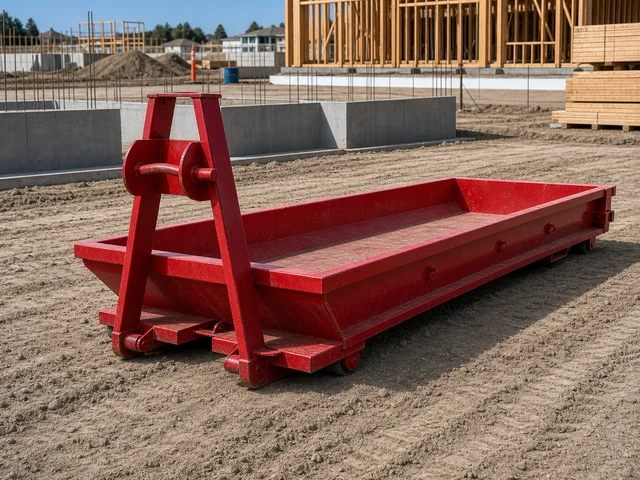
18'L × 8'W × 2'H
A measured clean load of concrete, asphalt, soil, brick, block, stone, or pavers after review.
View this footprint →List what takes up room and what adds weight. A clear debris list makes it easier to compare the container, loading plan, and quote factors.
Examples: Furniture, rugs, boxes, shelving, cabinets, doors, and ordinary non-hazardous cleanup debris.
Count oversized and long pieces. Break down items only when it is safe, and keep every part inside the container walls.
Examples: Drywall, lumber, flooring, fixtures, roofing, siding, stucco, tile, and job packaging.
Name the current work phase. Call out tile, mortar, counters, masonry, and other dense material before it is mixed.
Examples: Branches, fencing, pavers, block, concrete, asphalt, rock, soil, and stone.
Keep vegetation and light debris apart from soil, rock, concrete, asphalt, block, and other heavy material.
Hazardous materials, paint, liquids, chemicals, batteries, propane, tires, electronics, medical waste, and asbestos are prohibited. Do not load them. Appliances require Haul'n Off approval before loading. Keep every object below the top edge and inside the walls.
Confirm the debris list, proposed placement, gate, grade, surface, work lanes, preferred date, and any property approval.
Use the reviewed material plan, spread dense pieces as directed, and keep every object below the rail and inside the walls.
Stop loading, sweep loose debris, unlock gates, and remove vehicles, tools, pallets, and temporary barriers from the route.
Use the same size, debris, weight, address, placement, and dates when comparing options. A number without the same project details is not a clean comparison.
The container must match the actual pile, material, weight, and usable footprint.
Household, remodel, roofing, landscape, and heavy material start different questions.
Tile, roofing, soil, rock, concrete, asphalt, and masonry become heavy early.
Street approach, gate, turns, grade, surface, side room, and overhead clearance all matter.
Preferred delivery, active work days, and pickup timing need project review.
Added days, extra trips, overages, or a changed debris stream can affect the total.
Before comparing totals, ask what rental time and weight are included. Also ask what triggers added days, extra trips, overages, or a material change.
Use the property type and proposed spot to explain the route. The exact address controls the review.
Share driveway grade, gate details, parking needs, and any owner or association steps tied to the proposed spot.
Photograph curves, slopes, retaining walls, trees, and the narrowest point between the street and the work area.
Check shared drives, compact parking, loading zones, building access, and the lane residents or crews still need.
Coordinate the placement idea with work phases, customer access, deliveries, gates, and the final pickup route.
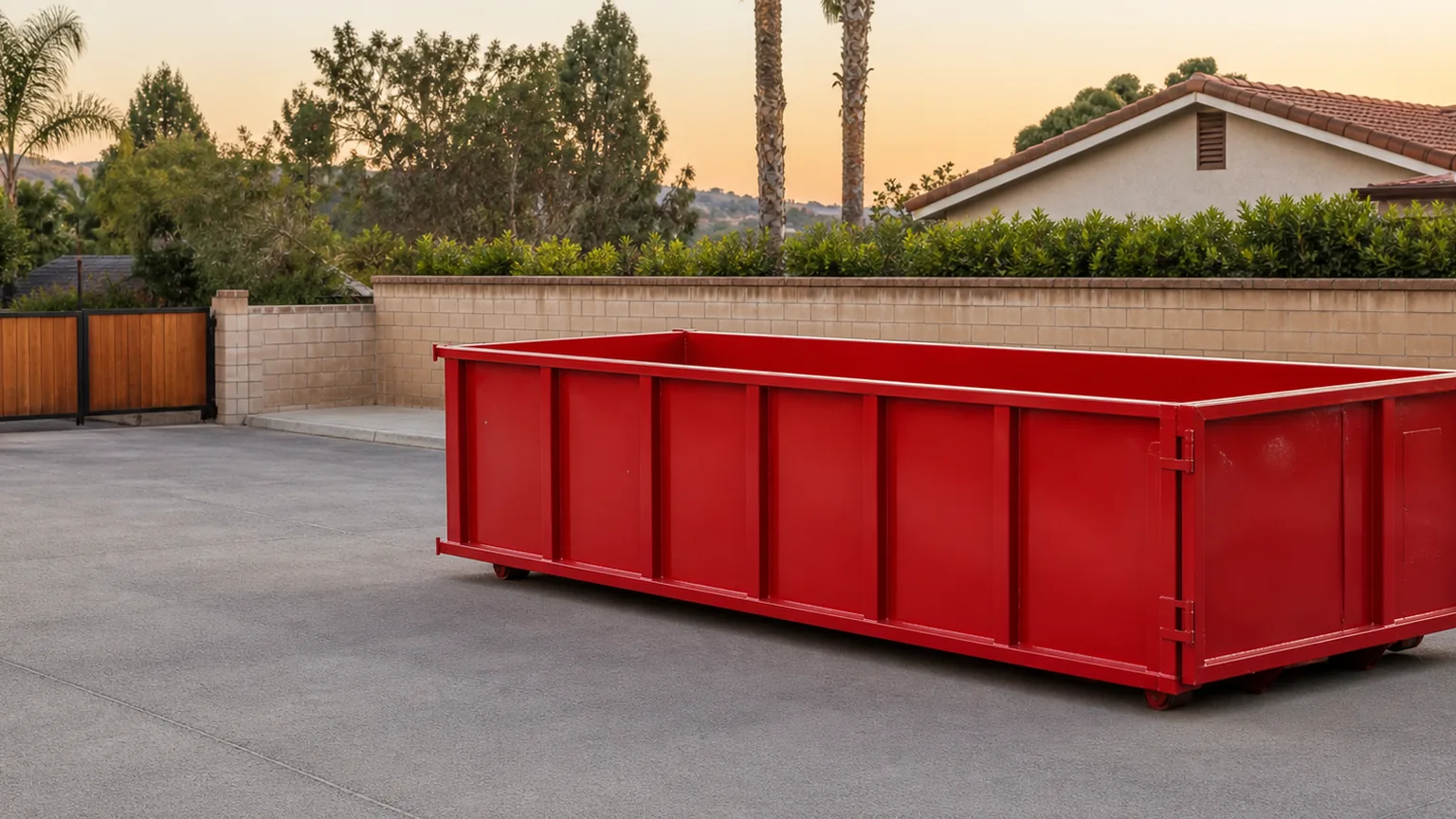
Take the pile’s length, width, and height. Eligible clean concrete, dirt, soil, rock, asphalt, brick, block, stone, pavers, and tile may go only in a reviewed 10-yard lowboy.
Never load lowboy-only material into a 15-, 20-, 30-, or 40-yard general-debris dumpster or mix it with trash, roots, rebar, wood, roofing, or construction debris.
Name one clean stream.
Send three dimensions.
Keep other debris out.
Start with the address, debris, route, size, and dates. If the proposed spot may affect public space, use the City’s permits page. For permit-linked construction work, check the City’s building documents. A quote request does not confirm permit status.
List the largest furniture, shelves, rugs, boxes, and long pieces. A 15- or 20-yard dumpster may fit a focused cleanout. A 30-yard may suit bulky items from several rooms. Share the pile, material, space, and route before a size is confirmed.
List cabinets, counters, fixtures, flooring, tile, and drywall. Say how many rooms are involved. Keep concrete, stone, soil, and other heavy debris on a separate list. Add the address, placement idea, and preferred dates.
Share the roof area, material, and number of layers. List any decking, tile, stucco, or siding. A roof load can get heavy before the dumpster looks full. Keep every piece under the top rail and inside the walls.
Eligible clean concrete, dirt, soil, rock, asphalt, brick, block, stone, pavers, and tile may go only in a reviewed 10-yard lowboy. Never load them in a general-debris dumpster or mix them with other waste.
Do not assume every material can share one bin. Make separate lists for household items, remodel waste, plants, roofing, concrete, soil, rock, and block. Send photos when the mix is hard to explain. Wait for guidance before loading.
Hazardous materials, paint, liquids, chemicals, batteries, propane, tires, electronics, medical waste, and asbestos are prohibited. Do not load them. Appliances require Haul'n Off approval before loading. If an item is unrecognized, leave it out and send a photo. Approved appliances cost $75 per appliance.
Measure the narrowest opening and the usable set-down area. Check each turn, grade change, and low point. Note gates, parked cars, surface conditions, doors, and work lanes. Send wide photos from the street to the spot and back.
Use the City of San Marcos permits page when the spot may affect public space. A private spot may still need owner, manager, or association approval. A quote request does not confirm permit status.
Size, debris, and weight shape the first part of a quote. The address, access, spot, dates, and rental length also matter. Added days, extra trips, overages, or a changed debris mix can affect the total.
Send the delivery address, project type, and debris list. Add the pile size, access notes, placement idea, and preferred dates. Haul'n Off reviews the request before confirming service, size, price, timing, delivery, or pickup.
Send the delivery address, project, debris list, pile estimate, access notes, proposed placement spot, and preferred dates. Haul’n Off reviews the request before confirming service, size, price, timing, delivery, or pickup.