Which Encinitas projects are a good match for a temporary dumpster?
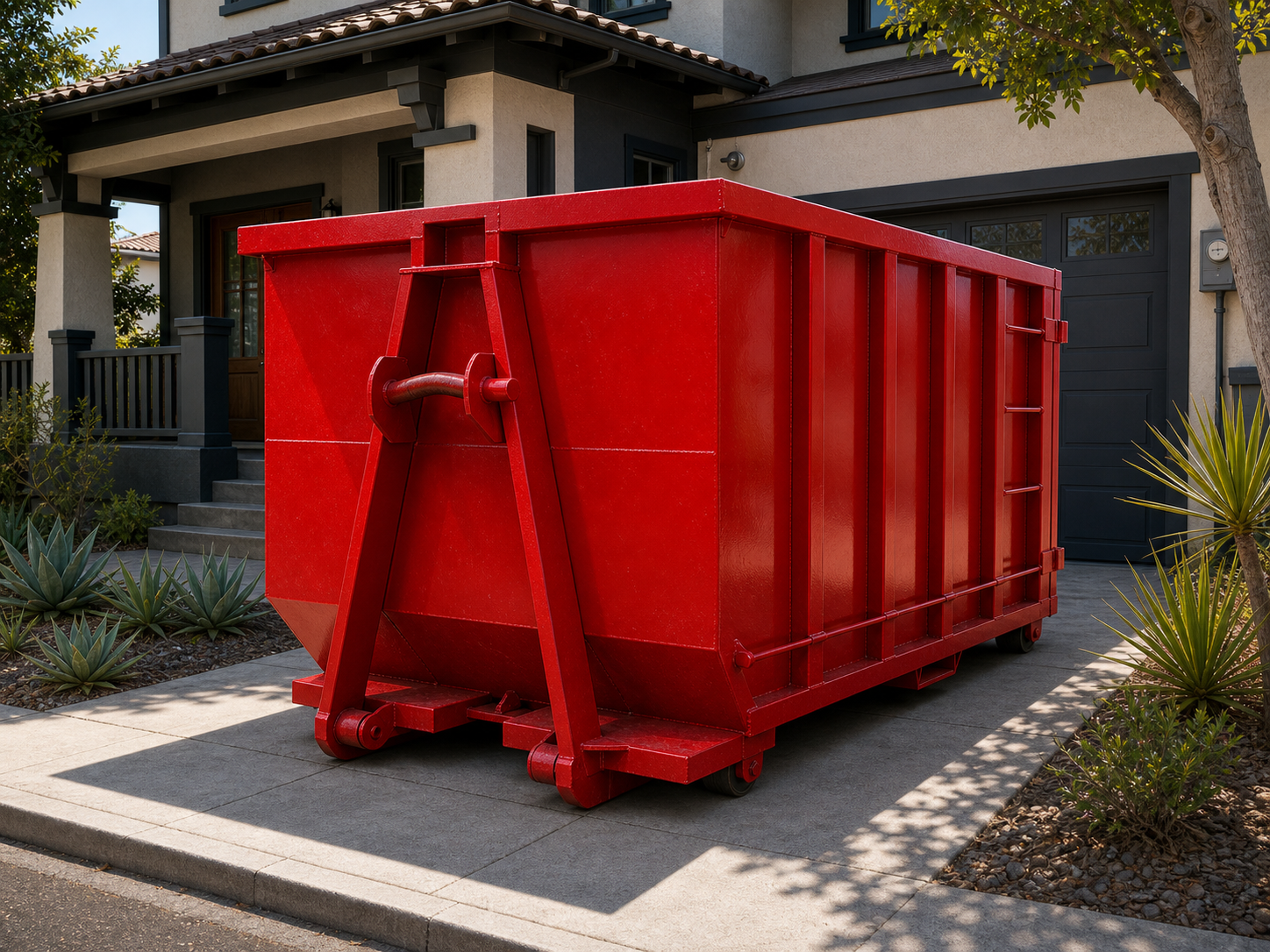
A temporary roll-off can help with whole-home and garage clear-outs, rental turnovers, estate cleanups, kitchen or bath demolition, flooring replacement, roofing, additions, contractor debris, landscape tear-outs, office resets, and other short-term residential or commercial work. The exact address, material mix, volume, weight, placement, and dates determine whether a request is a practical fit.
How do I estimate the dumpster size for my cleanup?
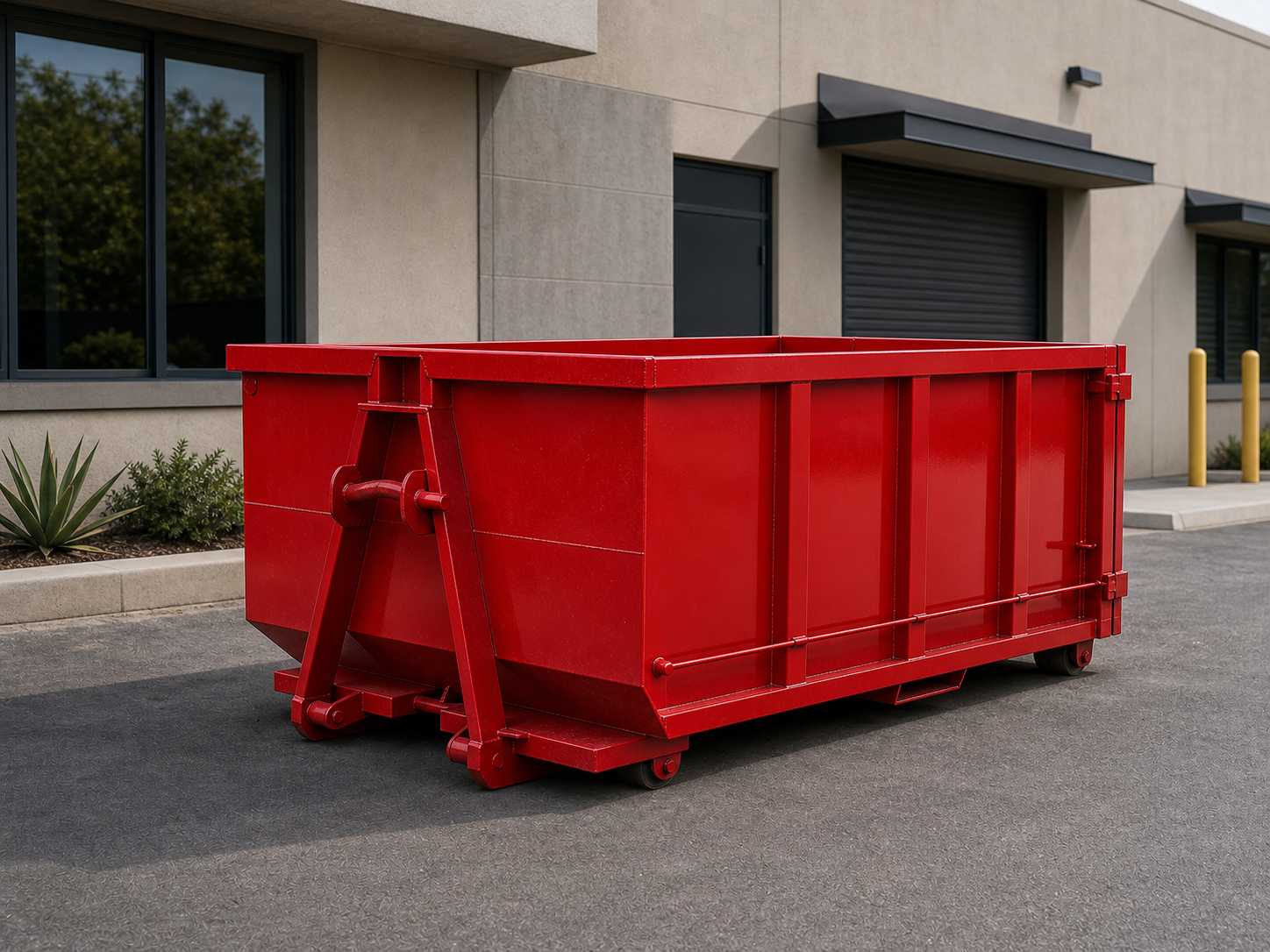
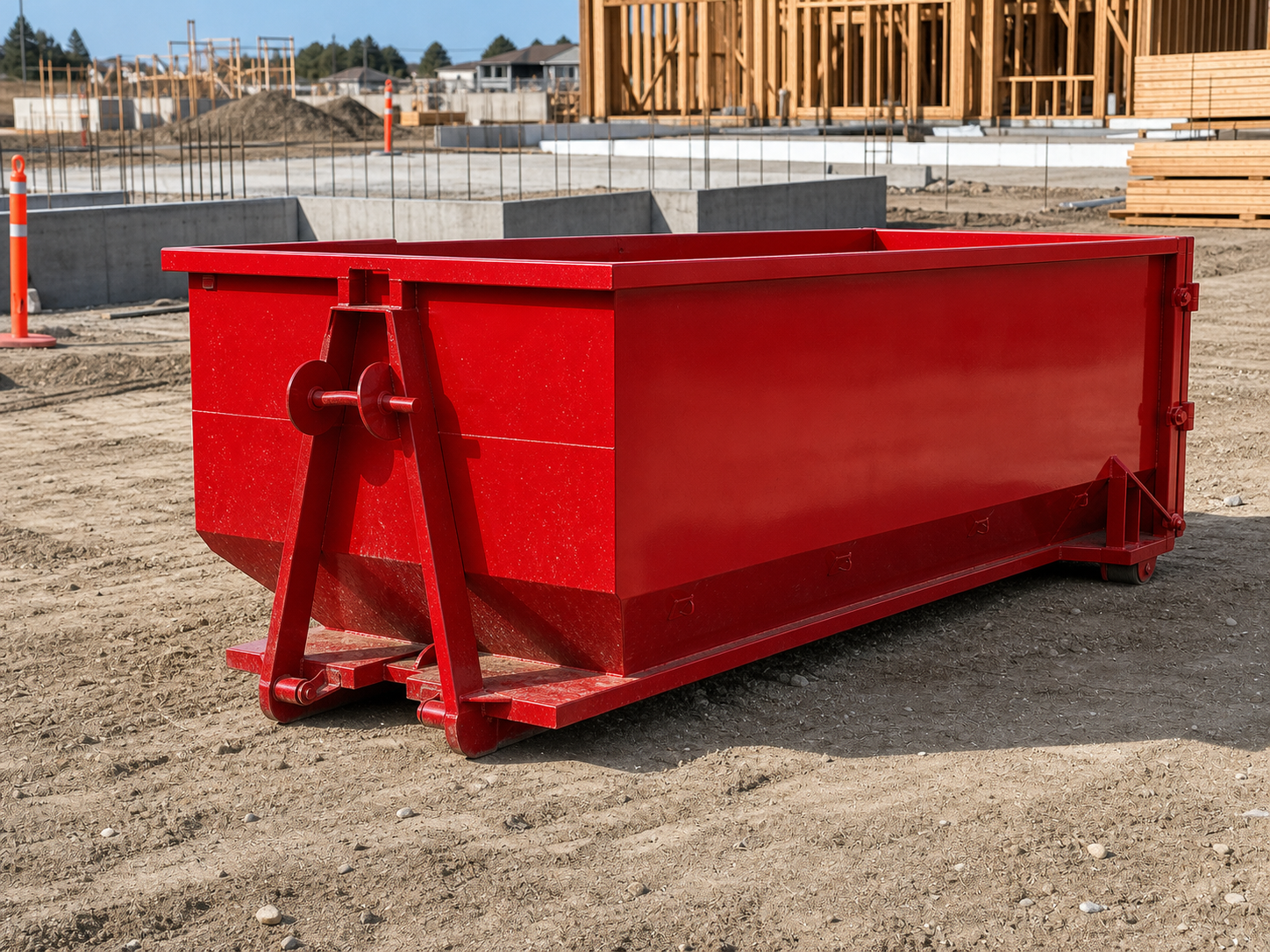
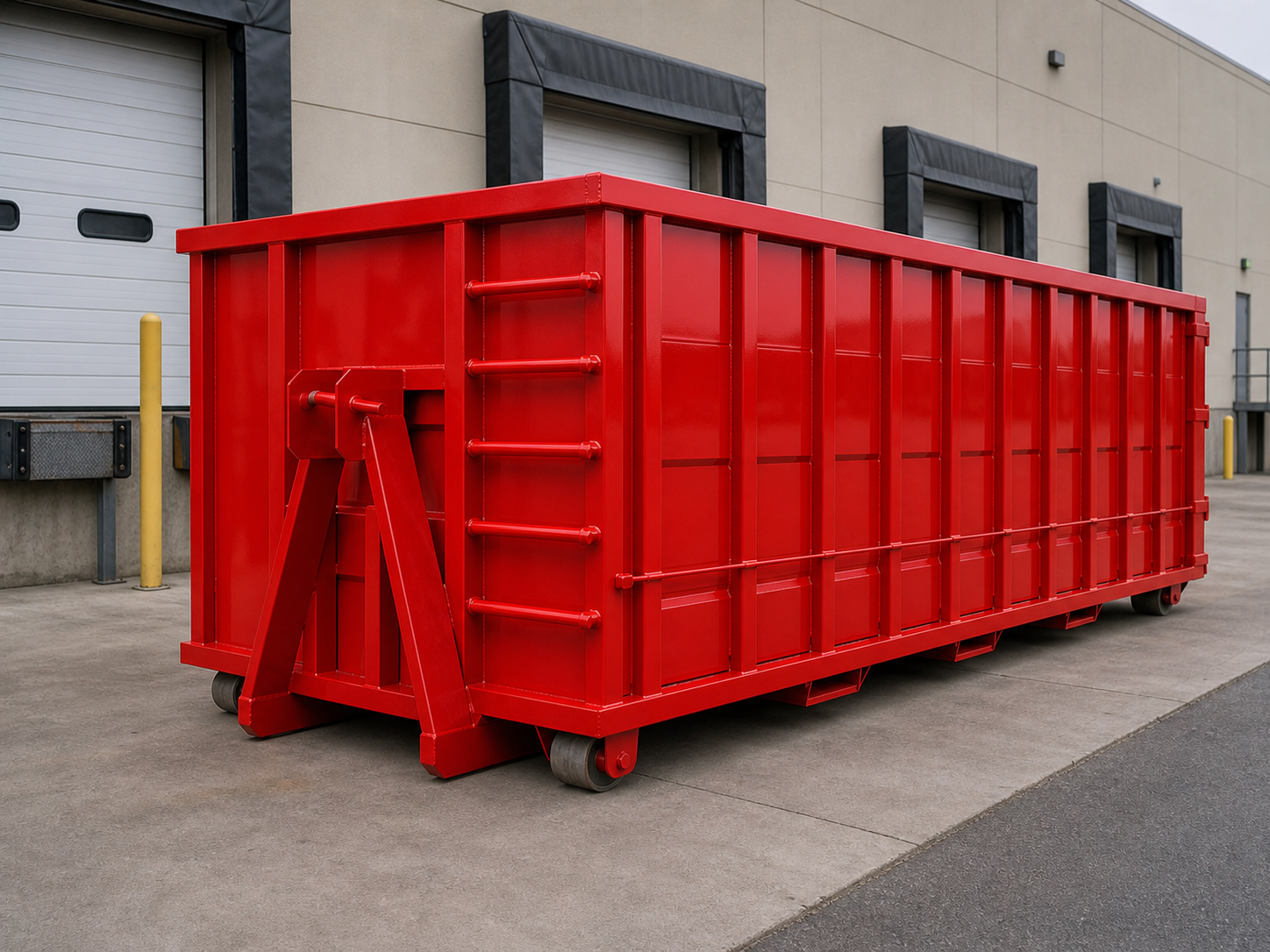
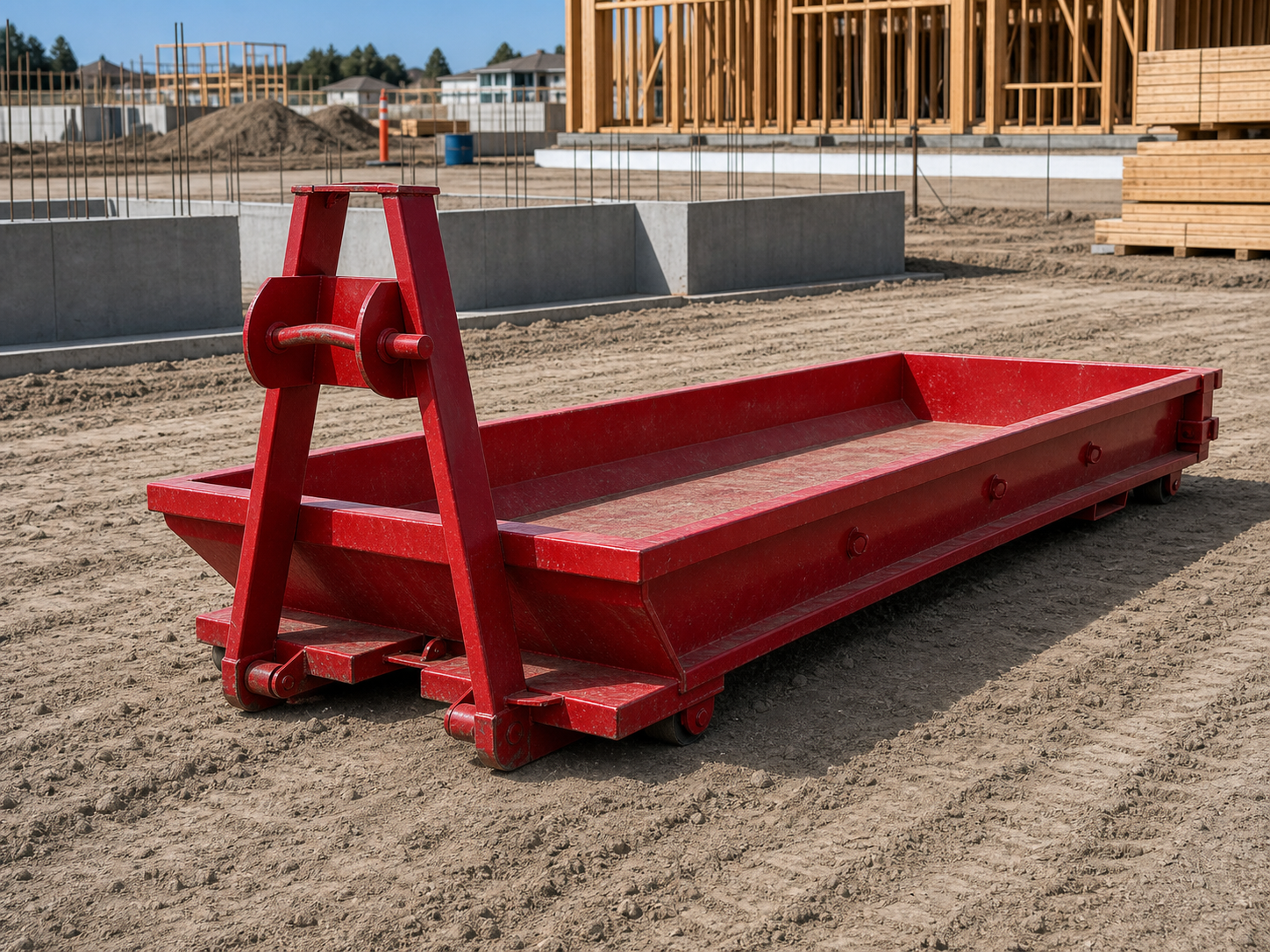
Start by listing the rooms or work phases involved, the bulky items, and every debris type. A focused cleanout may begin with a 15 or 20 yard comparison, while whole-property, construction, or high-volume commercial work can point toward 30 or 40 yards. Eligible clean concrete, soil, asphalt, brick, stone, and tile use the shallow 10 yard lowboy because dense debris is controlled by weight rather than open space.
What changes the price of an Encinitas dumpster rental?
The quote depends on the street address, container size, complete debris category, estimated weight, delivery and removal dates, rental window, placement access, and any extension, overage, or special-handling terms. Send those project details for a current comparison instead of treating one citywide number as a final price.
Can delivery and pickup be planned around my project schedule?
Include the preferred delivery day, the date loading should be complete, and any access windows for residents, tenants, customers, or crews. Timing still depends on current availability and the exact address. Before confirming, review the included rental period, pickup plan, and extension terms that apply to the request.
Which cleanup materials should I identify before ordering?
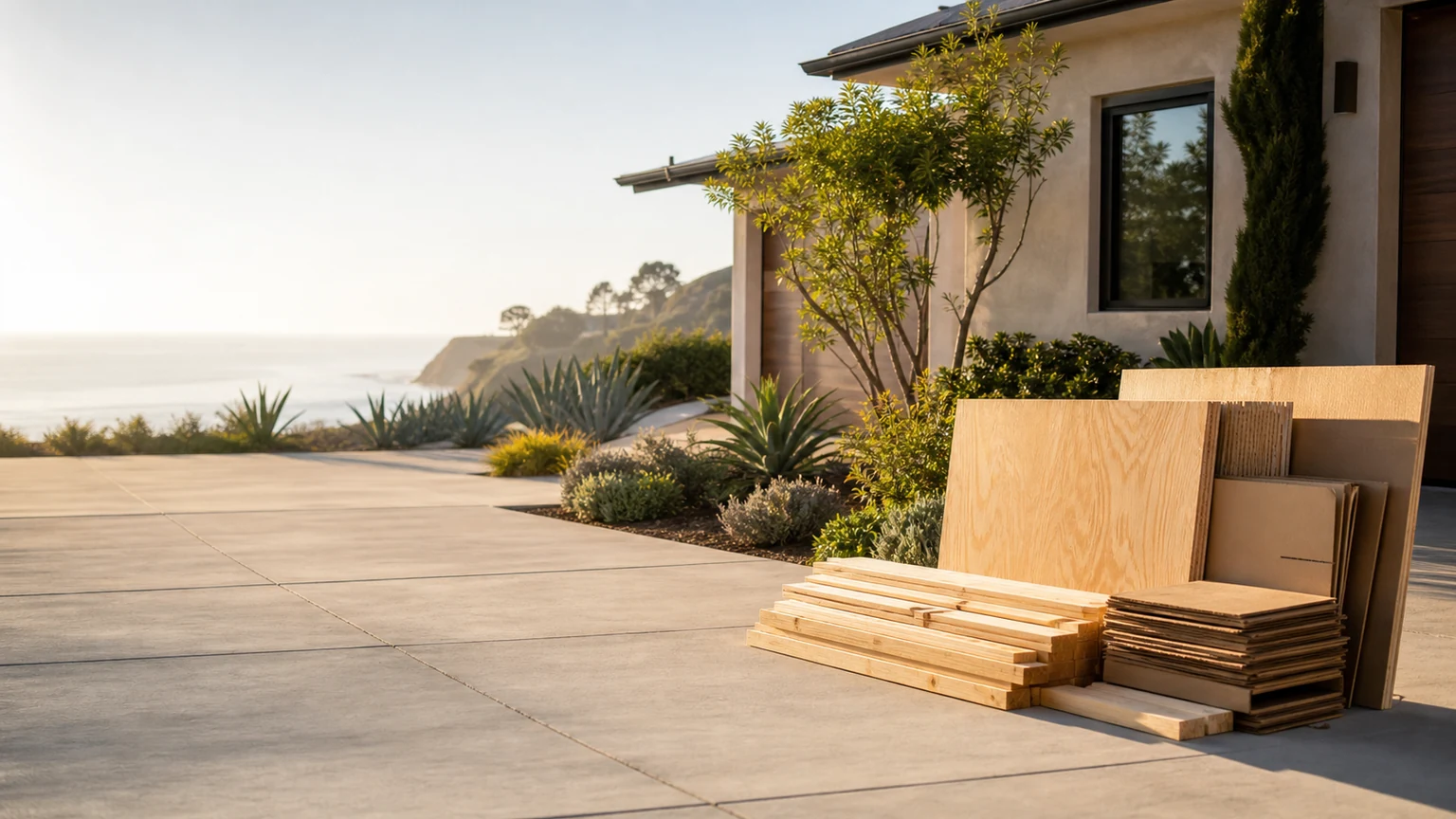
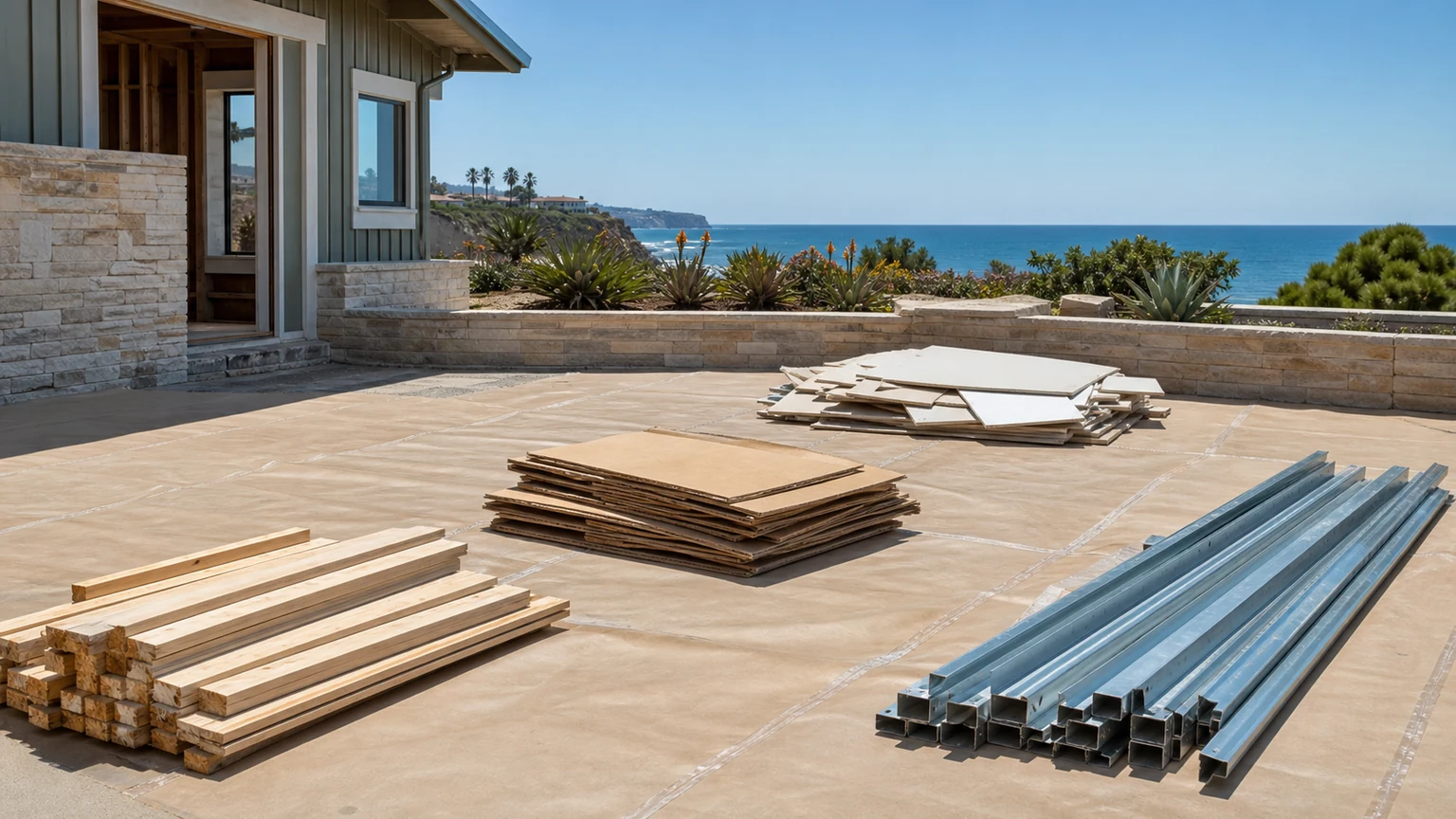
List furniture, household contents, cabinets, drywall, lumber, flooring, roofing, yard debris, masonry, soil, appliances, electronics, and every other material expected in the load. Hazardous materials, paint, liquids, chemicals, batteries, propane, tires, electronics, medical waste, and asbestos are prohibited. Appliances require Haul’n Off approval before loading and require approval before loading. Approved appliances cost $75 per appliance.
Why do concrete, dirt, brick, and asphalt need a lowboy?
Concrete, soil, asphalt, brick, stone, and tile become extremely heavy before they fill a tall roll-off. An eligible clean load should remain separate from wood, roofing, household debris, and mixed construction waste. The 10 yard lowboy keeps the container shallow and is the starting route for this dense material.
What information is helpful for a roofing dumpster request?
Share the roof material, approximate square footage, number of layers, and whether underlayment, flashing, decking, siding, or general construction debris will be included. Roofing weight can build quickly, so the load composition matters as much as the visible pile size.
What makes a driveway or jobsite suitable for placement?
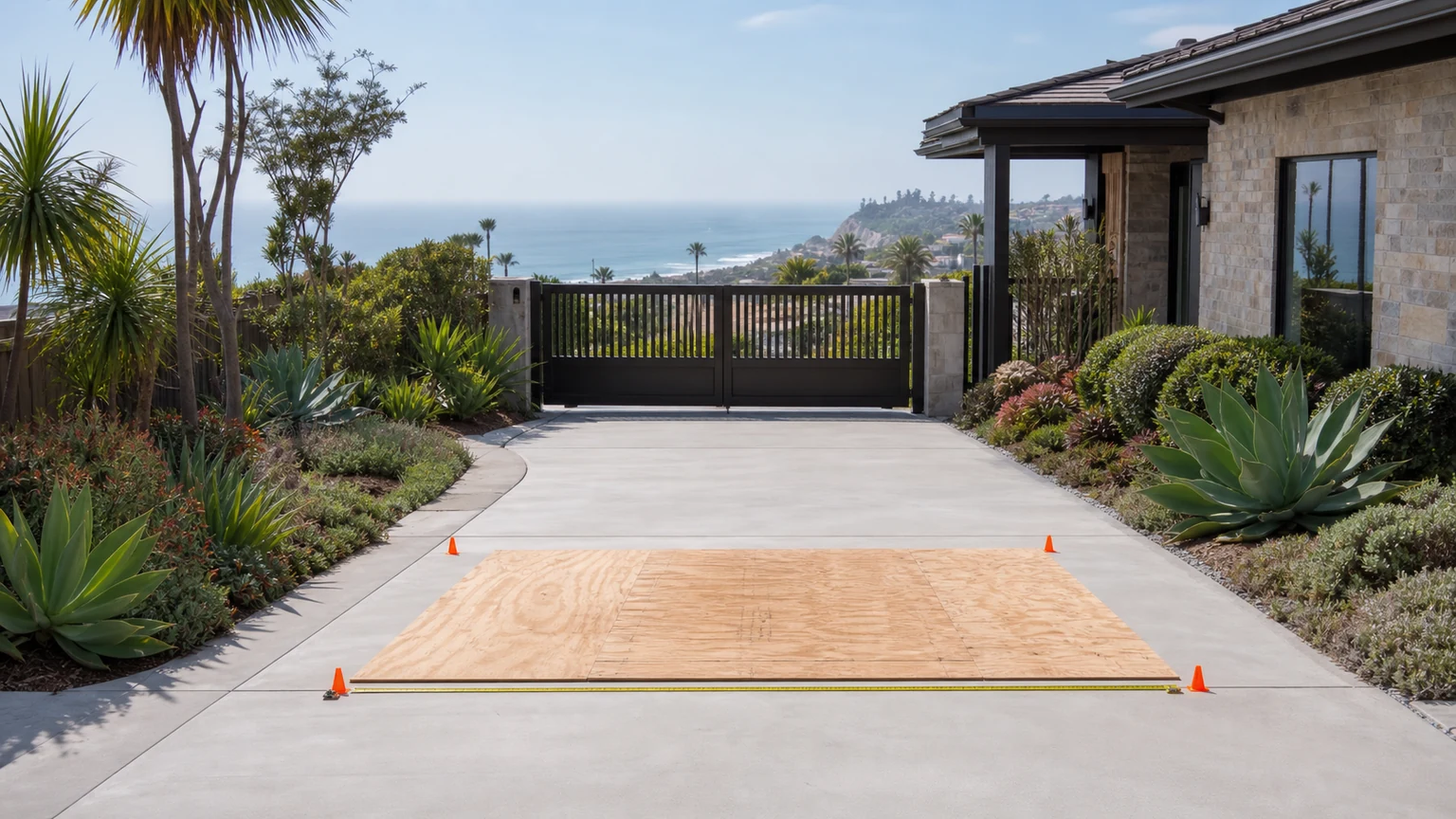
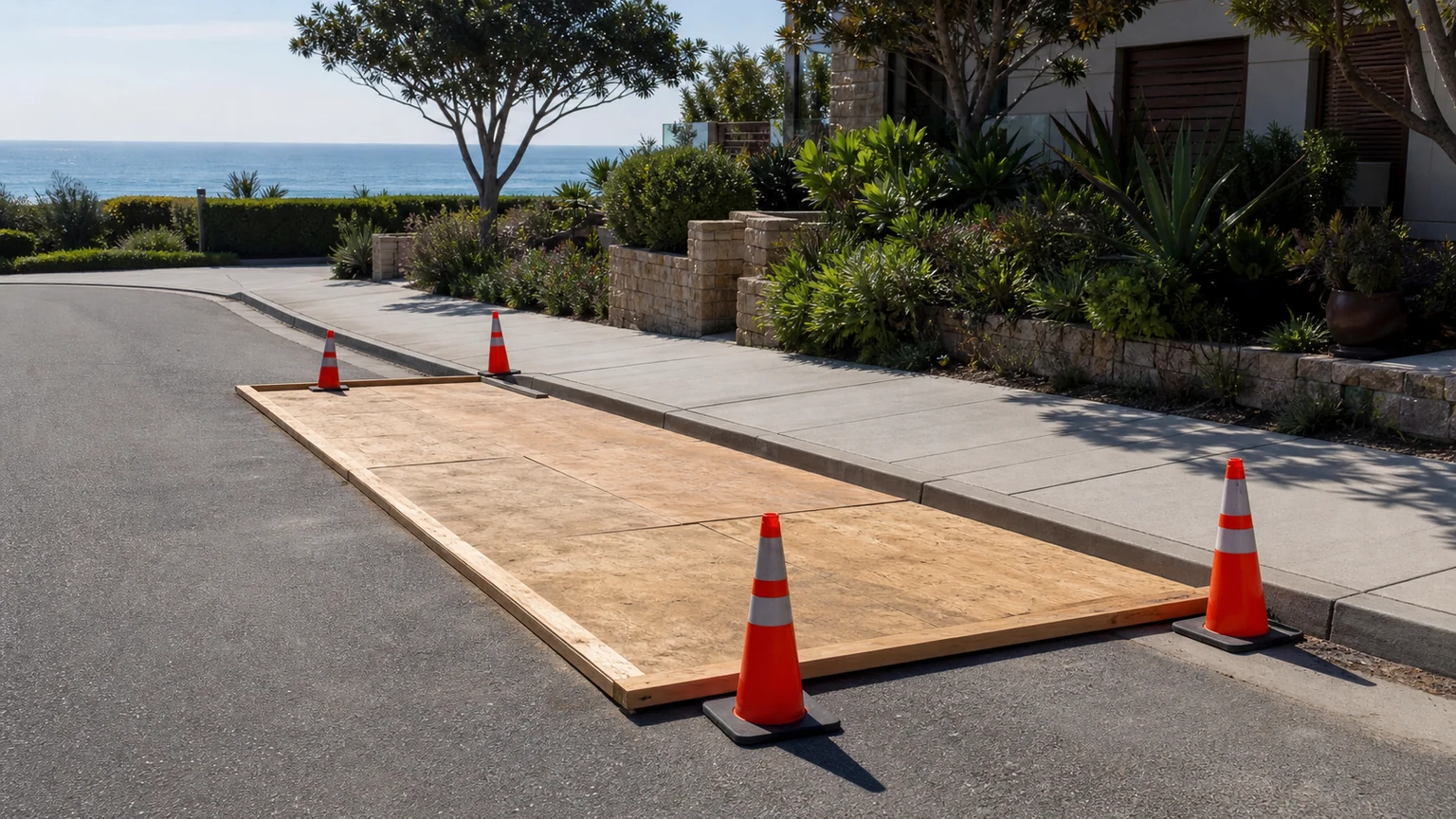
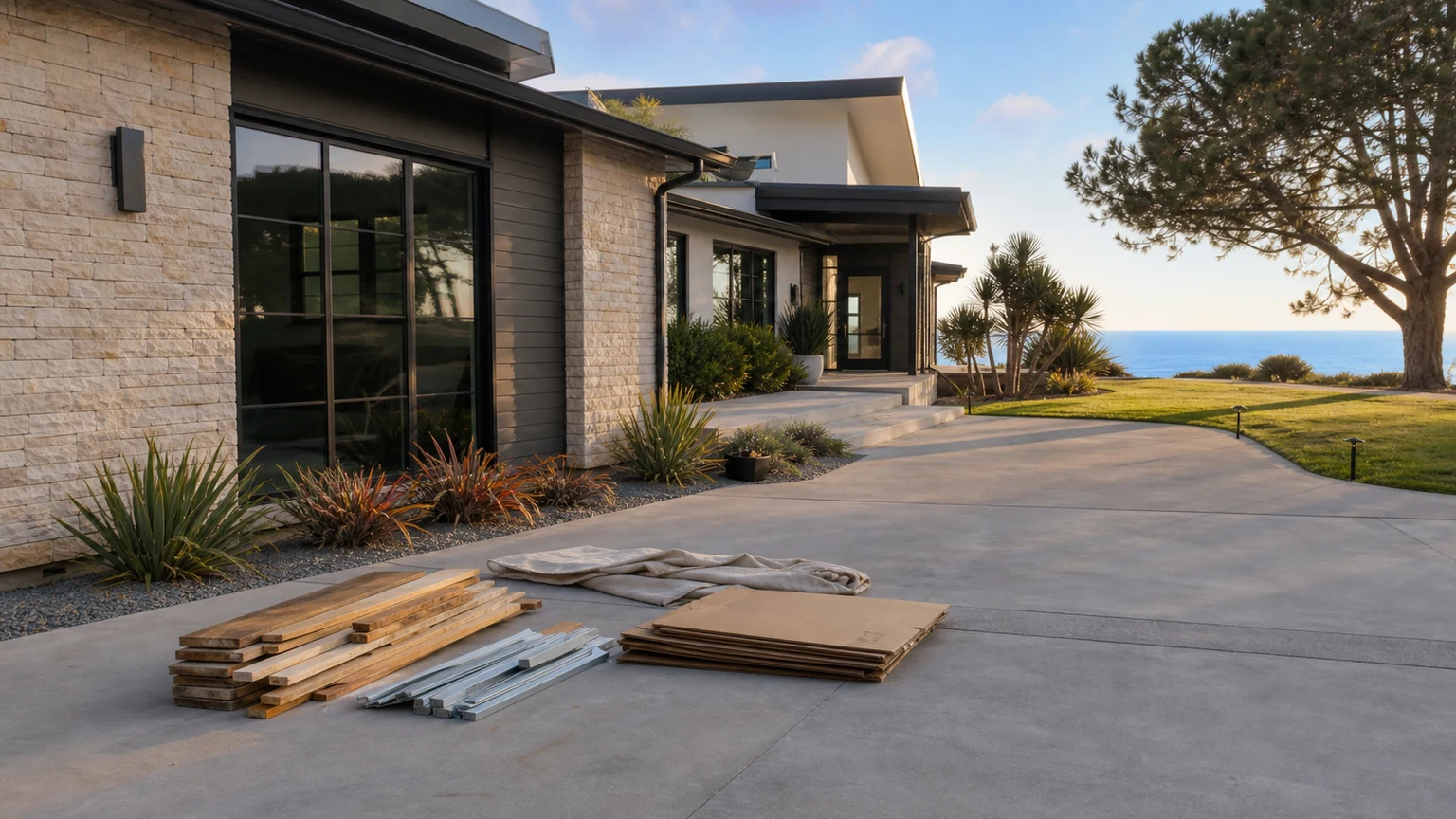
The truck needs a clear approach, adequate turning room, usable set-down width, overhead clearance, stable surface conditions, and a way back to the container at pickup. Note gates, parked vehicles, branches, wires, slopes, soft surfaces, or tight turns. A curb lane, street, sidewalk edge, or other public-space location creates a separate placement question.
When should I check Encinitas permit or recycling information?
Check current City guidance when the intended container location would use public space or when covered building work may require construction-debris records. A private-property set-down area can have different requirements from a street location, and a permitted project may need source-separation records, facility receipts, weight tickets, donation records, or closeout documentation.
What should I have ready before requesting a quote?
Have the full address and ZIP, project description, complete debris list, approximate volume or photos, preferred size if known, intended placement, gate and driveway notes, overhead-clearance concerns, and delivery and removal dates. Those facts allow a more useful review of size, material handling, price factors, placement, schedule, and current availability.