
01Source
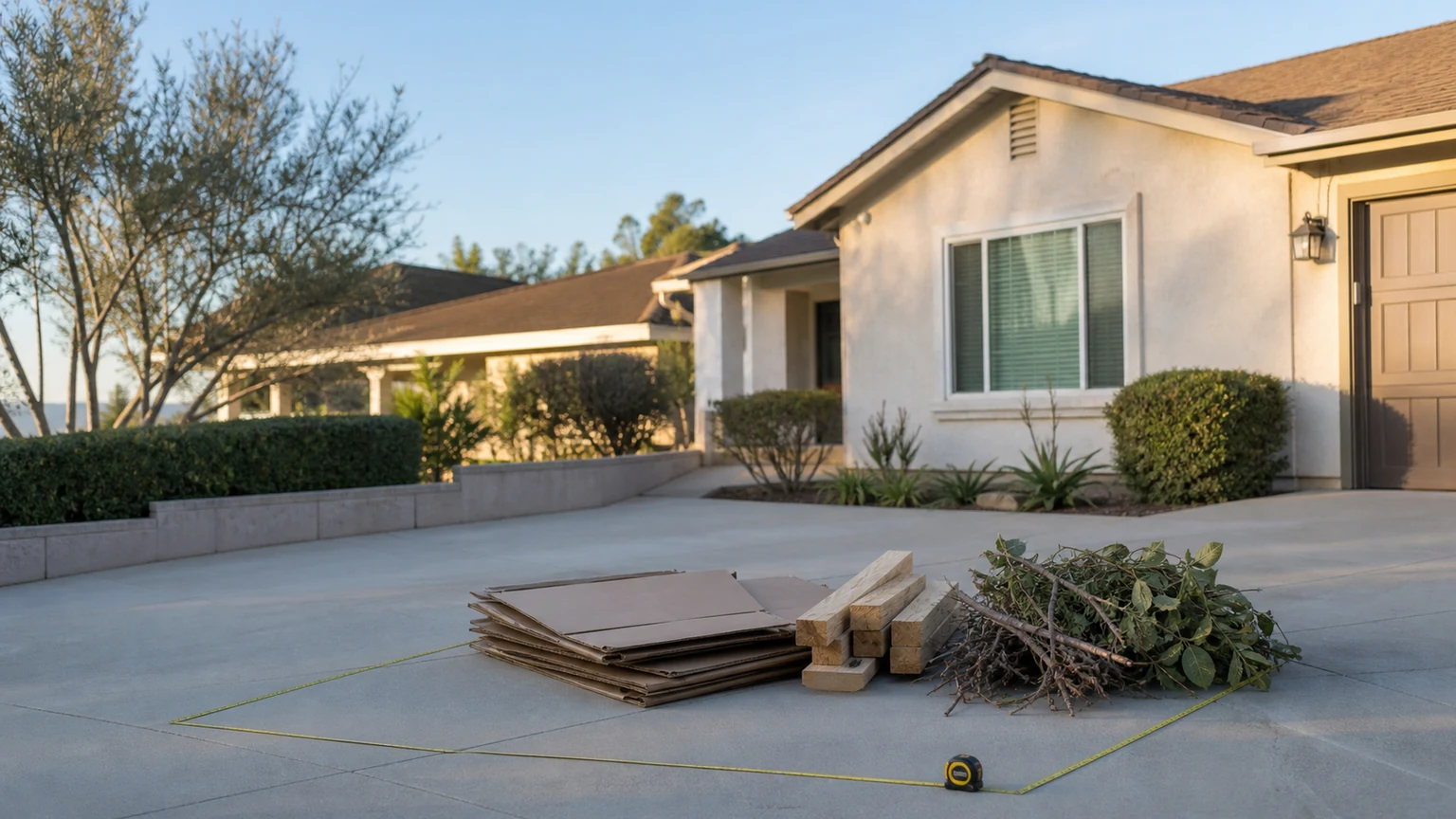
Where does the debris begin?
List each room, roof plane, yard section, tenant area, or construction phase. A simple list keeps a small dense pile from disappearing inside a broad job description.
Plan the job from pile to pickup
A Lemon Grove dumpster rental starts with four details: where debris begins, how it moves, where the dumpster can sit, and how the truck gets back for pickup. Separate dense material, compare five sizes, and send the exact address for a quote.
A container decision can fail outside the box. Walk the complete debris route in both directions before comparing capacity.
List each room, roof plane, yard section, tenant area, or construction phase. A simple list keeps a small dense pile from disappearing inside a broad job description.
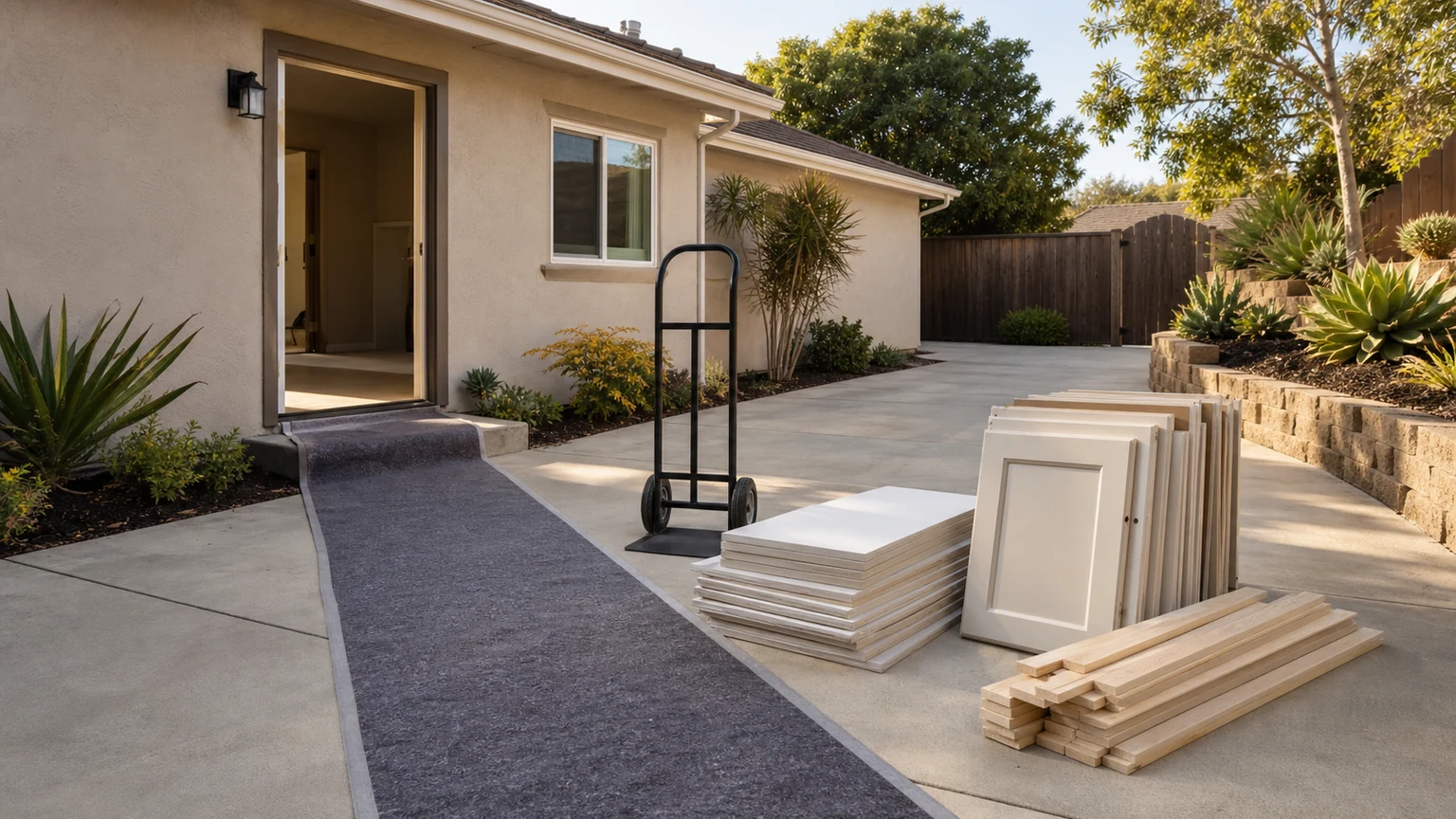
Walk the doorway, hallway, gate, stairs, slope, and work lane. Keep the route safe, protect finished surfaces, and identify long or bulky pieces before loading begins.
Measure usable length and width, surface, overhead clearance, turning room, doors, parking, and nearby work zones. Separate private-property ideas from public right-of-way questions.
Plan for the loaded container, not only the empty arrival. Keep the approach, top rail, side clearance, and pickup lane free of vehicles, loose debris, and new construction obstacles.
Start with what is leaving, where each material begins, and how it reaches the proposed placement. Then compare capacity, weight exposure, public-space questions, loading time, and the lane needed again at pickup.
That sequence catches the costly mismatches early: a bulky pile with too little volume, tile or soil hidden inside a general-debris estimate, a gate narrower than the working route, or a private placement that cannot stay clear.
Choose the closest job type, then tell us about your actual pile, debris, property, and timing.
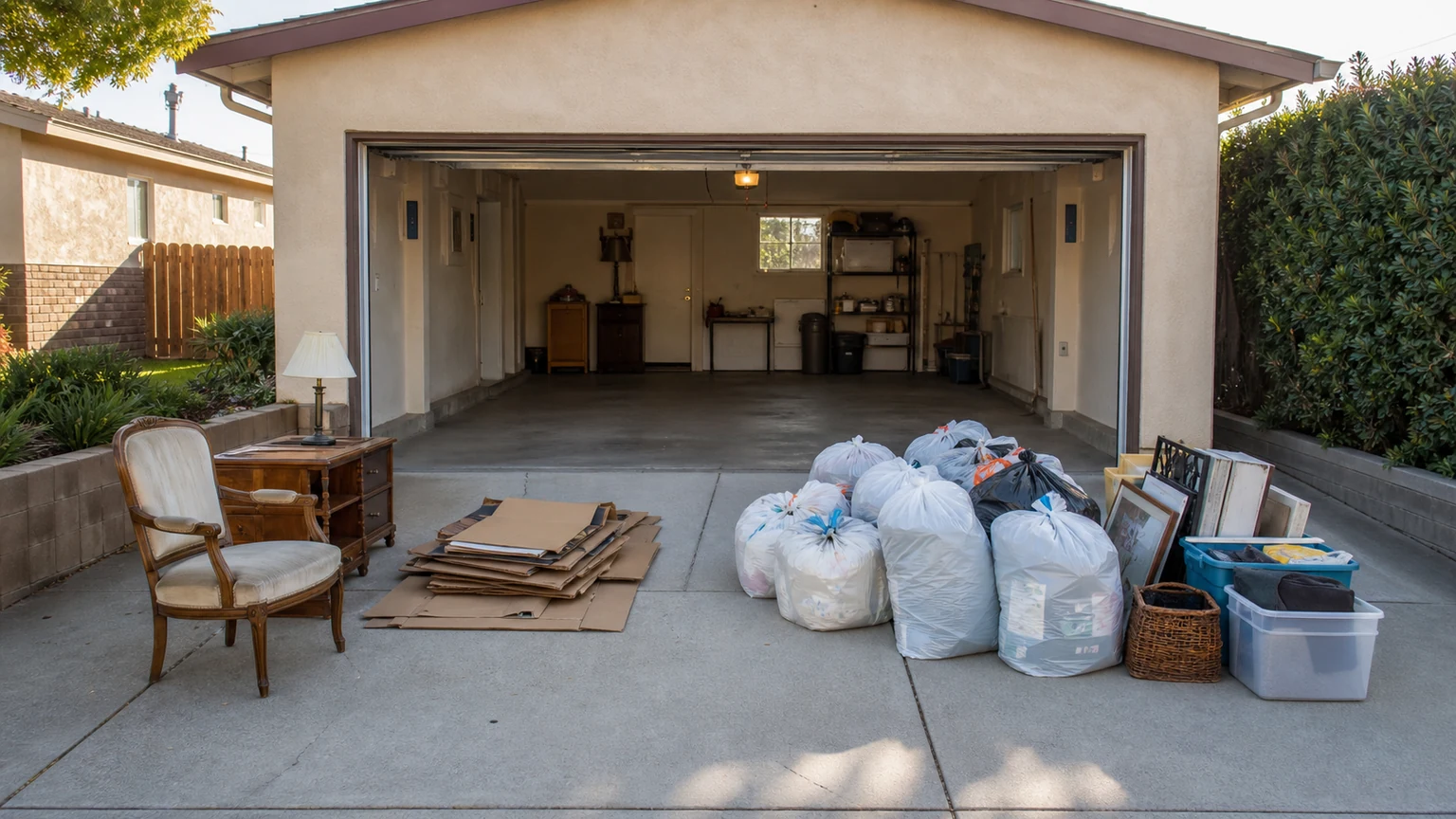
Count furniture, shelves, rugs, boxes, bagged contents, and long pieces. Stage what you can so capacity follows the visible pile instead of a generic room count.
Cabinets, drywall, lumber, packaging, and fixtures create volume; tile, mortar, plaster, counters, and masonry add weight. Keep dense finishes separate in the description.
Roof area, material, layers, decking, siding, trim, fence boards, and water damage produce different loads. The ground route from work edge to container matters too.
Demolition, framing, rough work, finishes, and packaging do not peak together. A phase plan can prevent the container from blocking trades, materials, parking, or pickup access.
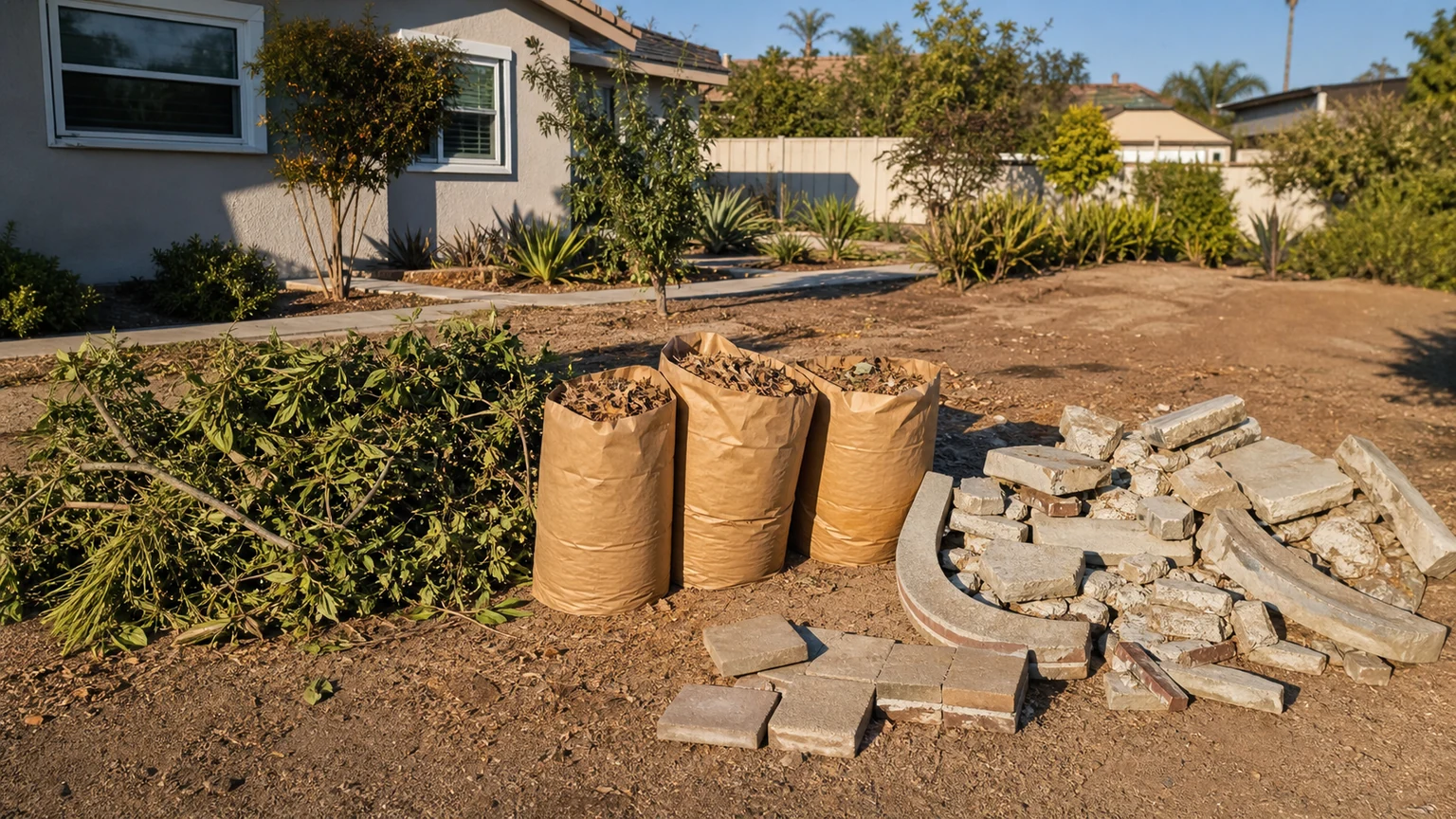
Branches and fence boards use space; soil, sod, pavers, stone, and broken concrete add density. Do not compress these into one “yard waste” line.
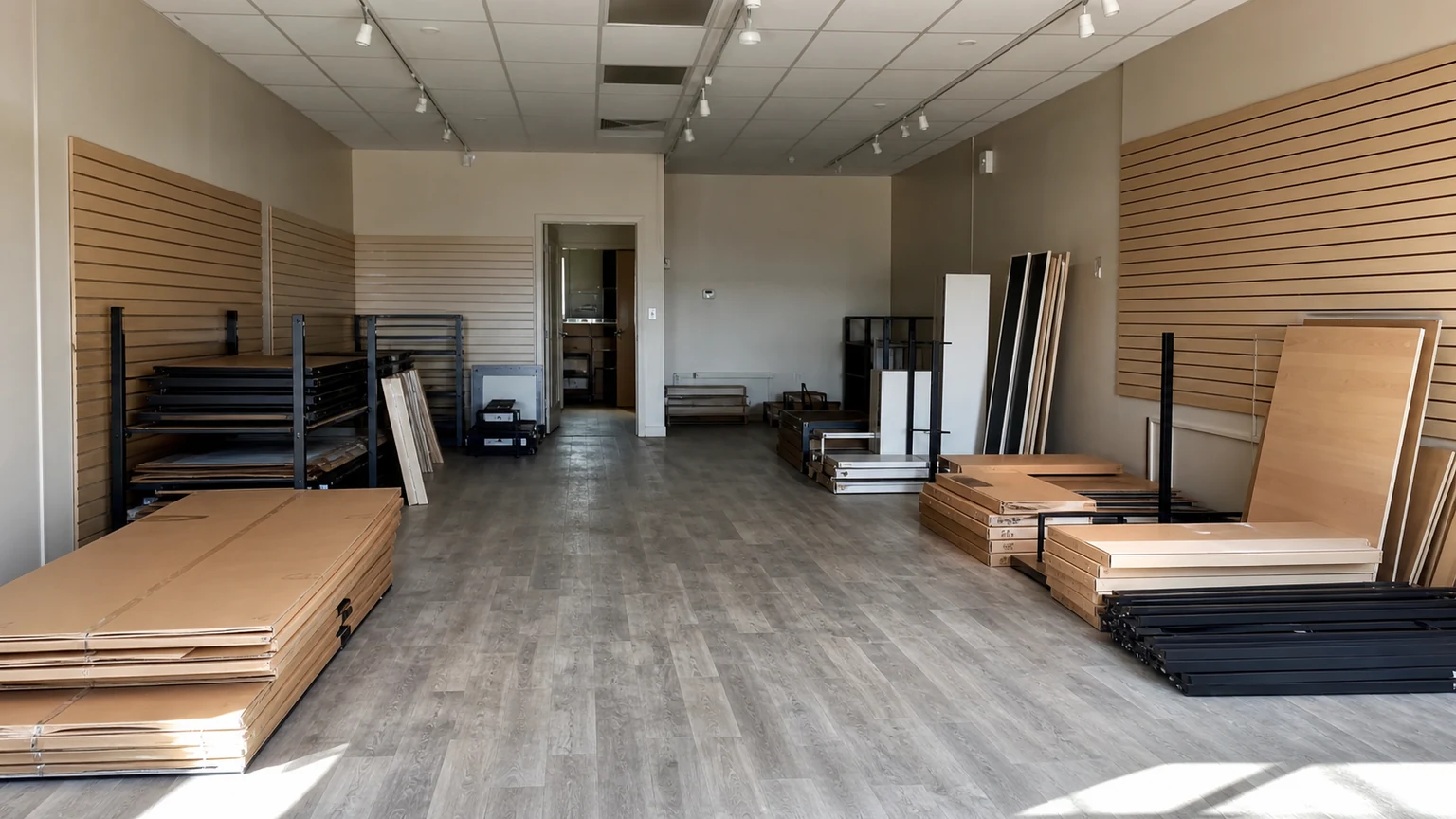
Shelving, counters, carpet, ceiling grid, packaging, fixtures, and partitions must move without sacrificing customer, employee, parking, or emergency access.
Use these dimensions to compare the space each dumpster needs. The cards do not promise availability, scheduling, delivery, placement, or approval for your address.
18'L × 8'W × 2'H
Heavy materials only · Driveway tear-outs · Excavation & ADU dirt
Open size details →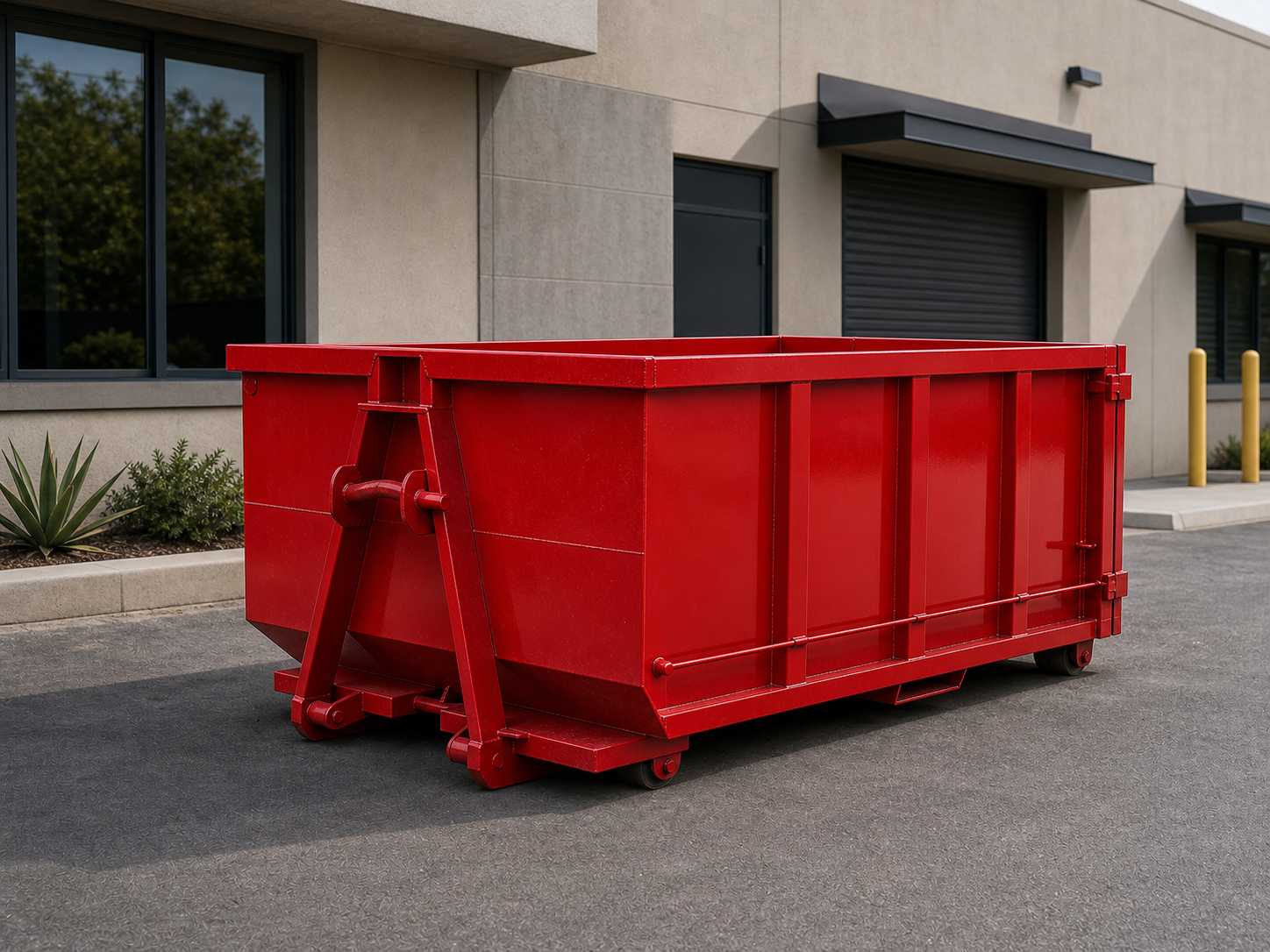
11.5'L × 8'W × 5'H
Medium cleanouts · Small bath remodels · Yard waste
Open size details →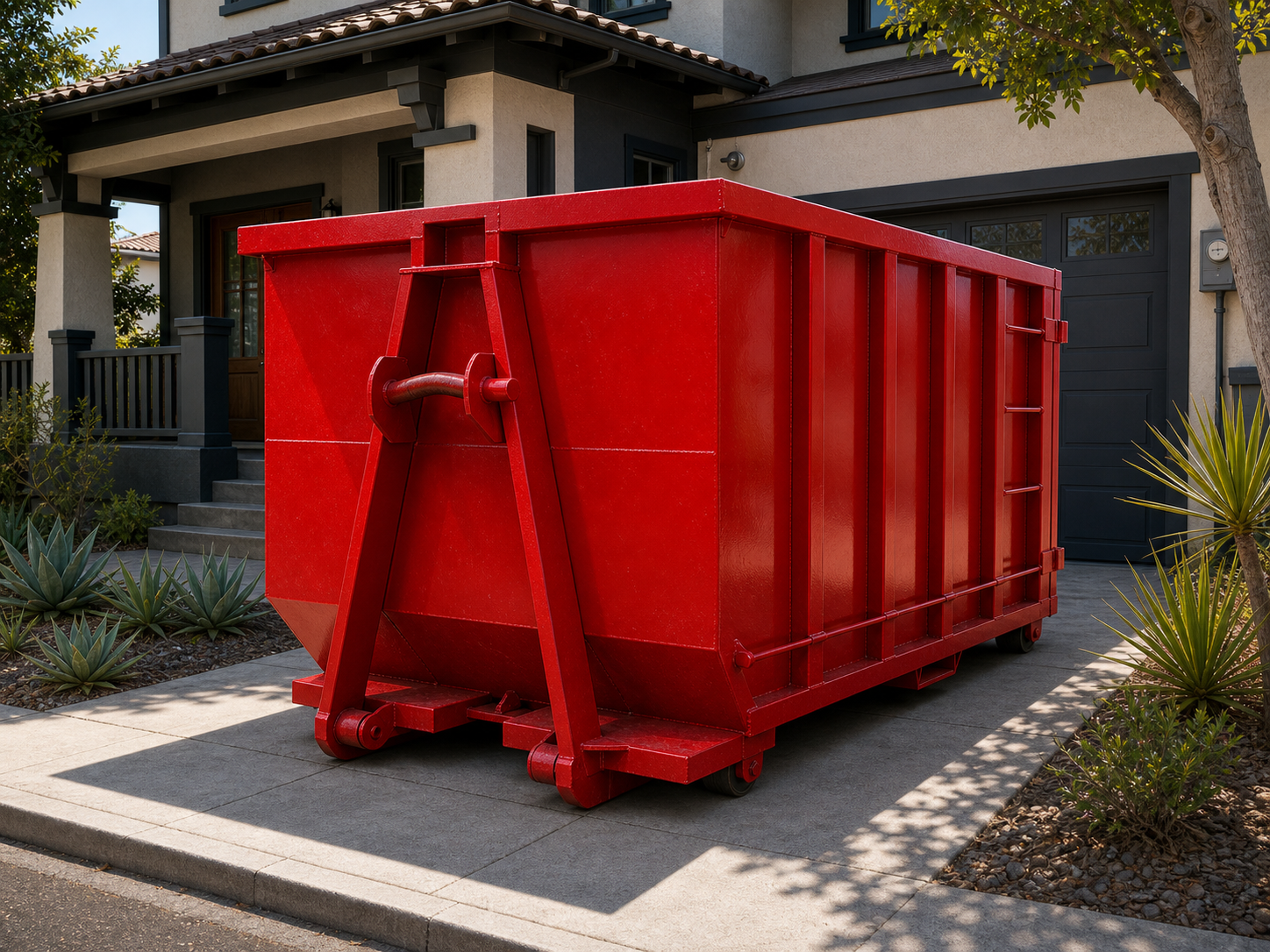
11'L × 8'W × 6'H
Construction debris · Roofing tear-offs · Larger cleanouts
Open size details →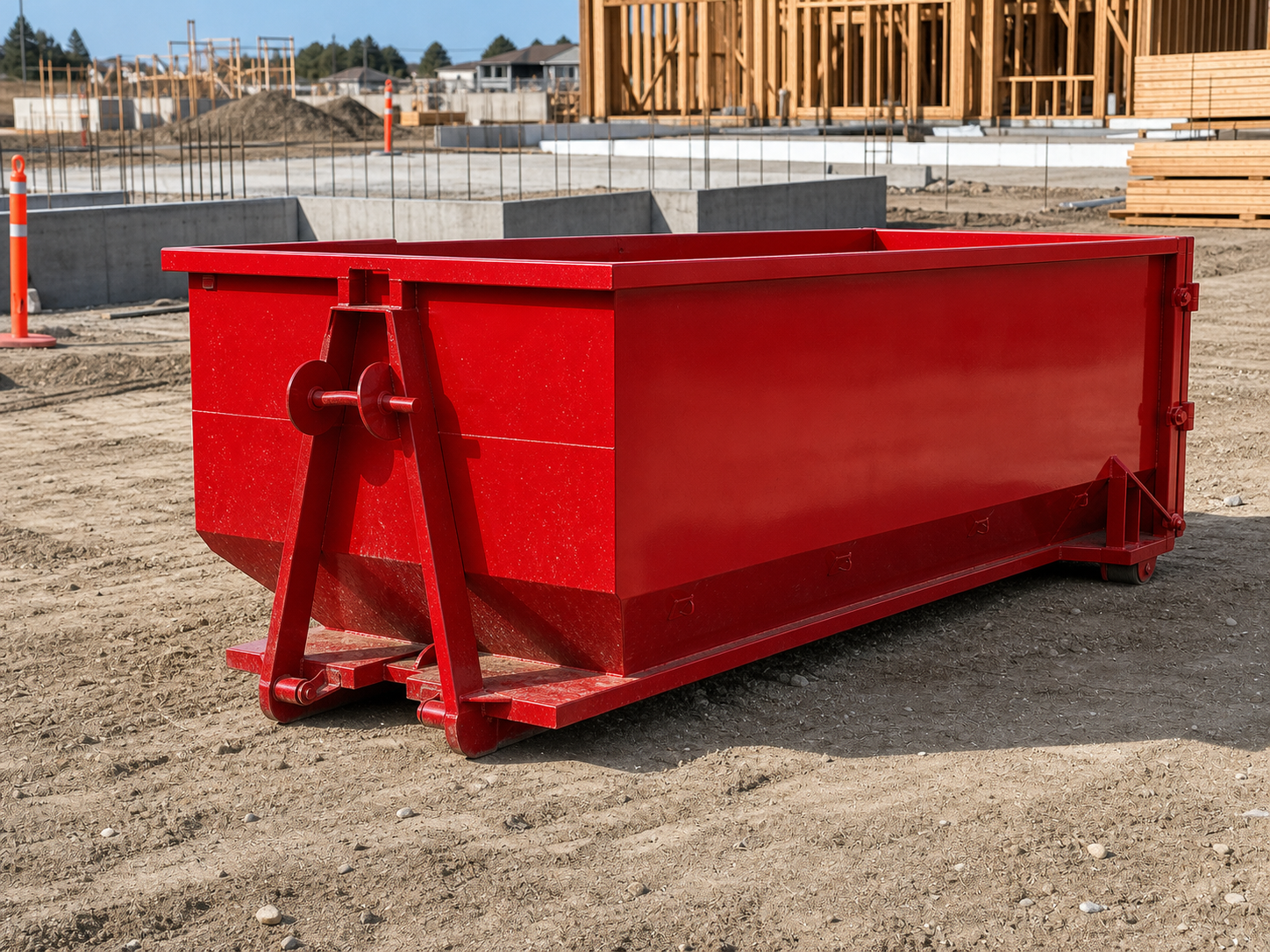
18'L × 8'W × 6.5'H
Large remodels · Whole-home cleanouts · Commercial jobs
Open size details →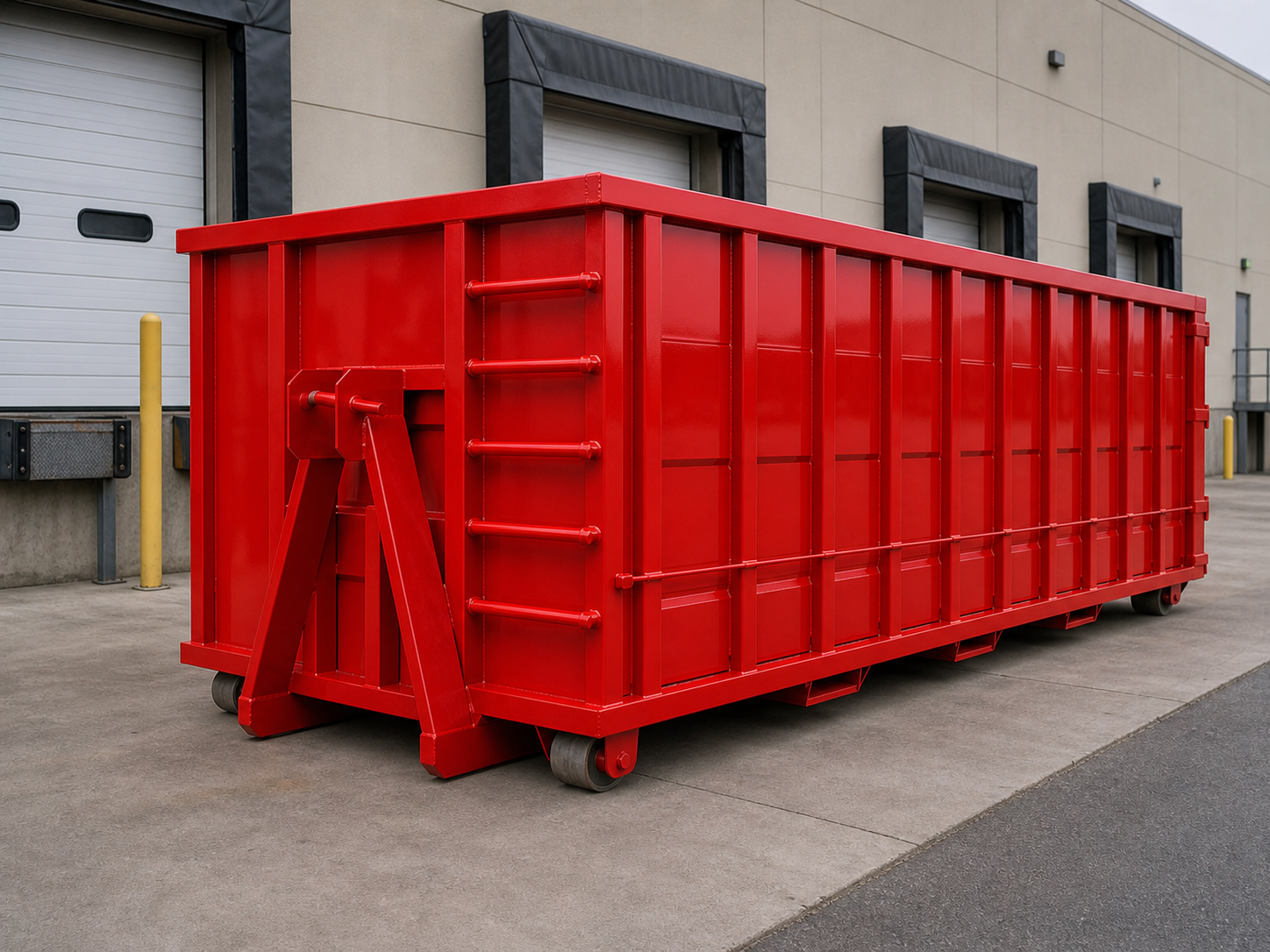
18'L × 8'W × 7.5'H
Major construction · Large demolition · Industrial cleanouts
Open size details →Furniture, boxes, shelving, rugs, light wood, cabinets, and bagged cleanup material usually start with shape, count, and cubic volume.
Drywall, lumber, roofing, flooring, trim, fixtures, and packaging need a project phase plus the dense layers hidden in the mix.
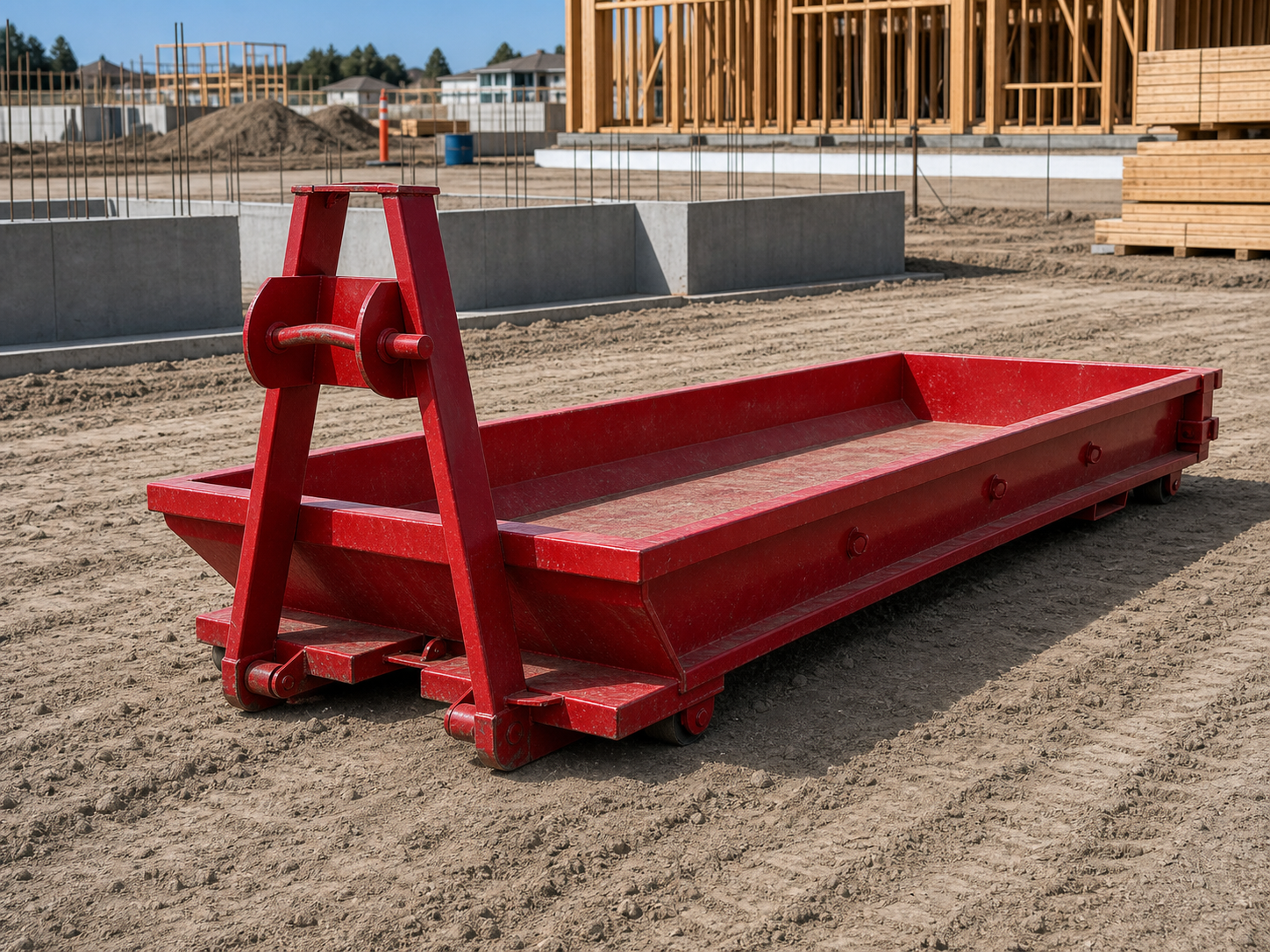
Eligible clean concrete, dirt, soil, rock, asphalt, brick, stone, pavers, and tile may go only in a reviewed 10-yard lowboy. Never load or mix them into a general-debris dumpster.
Hazardous materials, paint, liquids, chemicals, batteries, propane, tires, electronics, medical waste, and asbestos are prohibited. Do not load them. Appliances require Haul’n Off approval before loading and cost $75 each.
Keep every load below the top rail and nothing hanging over a side. If a material is not clearly described, pause and ask before loading.
A price is useful only when the dumpster size, debris, weight, access, timing, included days and weight, processing, extra time, delivery, and pickup all refer to the same job.
Street address and ZIP identify the actual placement and approach instead of treating the city as one uniform site.
List the bulky pieces, mixed layers, clean heavy material, and anything you are unsure about.
Container yardage should follow the visible pile and project phase, not a generic cleanup average.
Roofing layers, tile, soil, masonry, plaster, and other dense material can control the plan before the box looks full.
Requested arrival, loading days, pickup, and possible extra time belong to one schedule that must be confirmed.
Carry path, gate, slope, surface, overhead obstacles, turns, dumpster spot, and pickup access all matter.
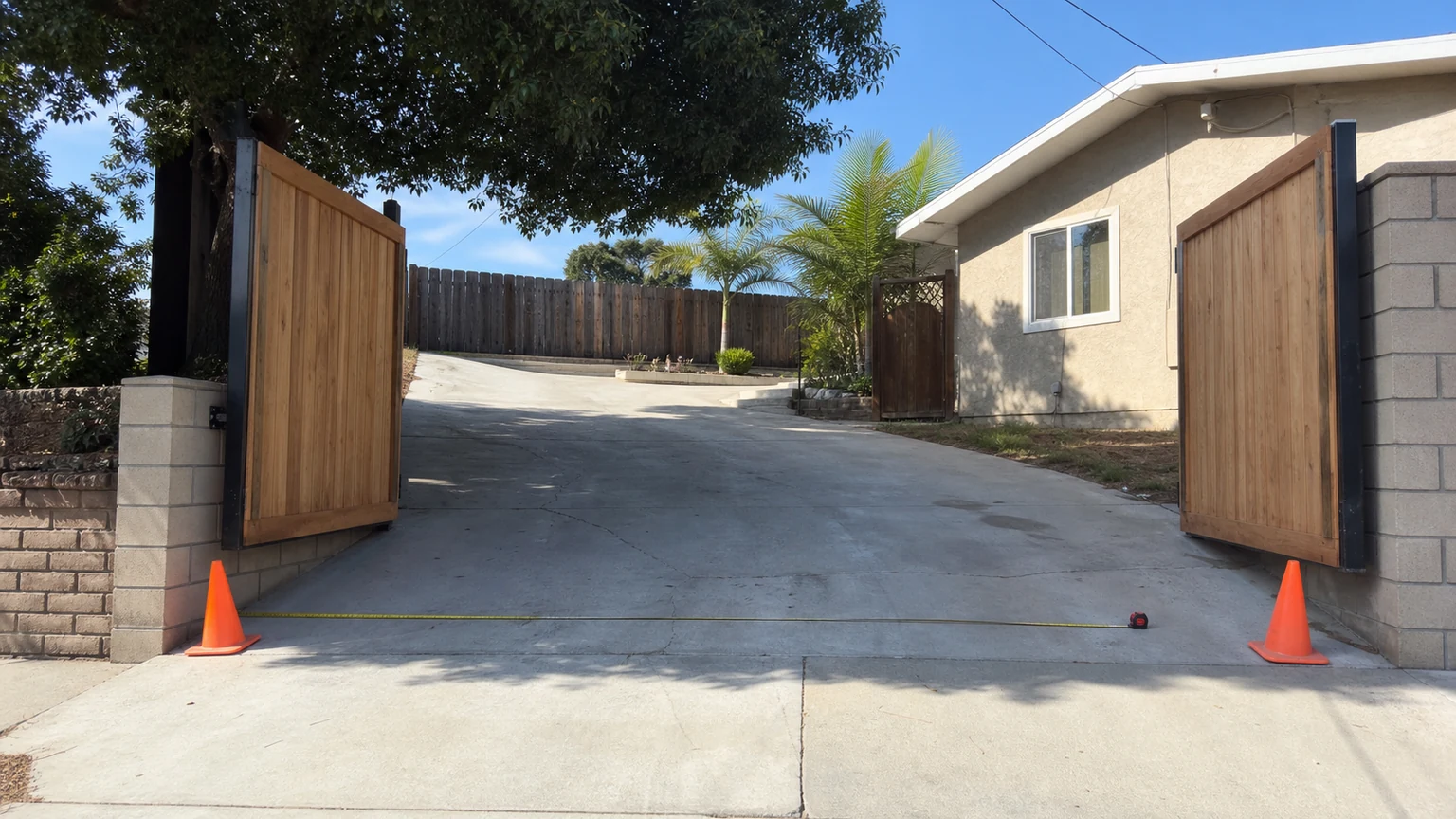
A placement photo is only one frame. Send the narrowest point, steepest transition, overhead limits, surface, work conflicts, and everything that must still be open when pickup is coordinated.
Haul'n Off's configured business address is 3468 Citrus St Suite A, Lemon Grove. Every project still needs its own address, debris, placement, and delivery check.
Map the work area through the doorway, side yard, gate, driveway, slope, parked cars, and street transition instead of stopping at a ZIP code.
Identify the property contact, private boundary, resident access, marked stalls, fire lanes, and the lane that must reopen for pickup.
Protect customer and employee movement while defining the carry hours, private service area, material staging, and return route.
These are property-planning contexts, not blanket service, placement, or permit claims. The exact address and route control the review.
Move vehicles, open gates, protect finished surfaces, and keep the source-to-set-down lane visible before the requested arrival window.
Distribute weight, keep dense material in its approved dumpster, and leave every board, branch, bag, and bulky item below the top rail.
Sweep loose debris, remove new obstacles, fix protruding pieces, and reopen the street-to-dumpster path for pickup.
These sources address proposed public-space placement and covered construction documentation. They remain subordinate to debris, size, loading, access, and quote planning.
The City lists roll-off trash containers in the right-of-way among the work that requires an encroachment permit. Confirm the current application, fees, insurance, timing, review, and placement requirements with the Engineering Division before relying on public space.
Open Lemon Grove encroachment guidance ↗The City’s current C&D page says covered projects must recycle at least 75% of construction-and-demolition debris by weight and 100% of land-clearing debris. Verify current project coverage, forms, facilities, receipts, and reporting instructions with the City before work begins.
Review Lemon Grove C&D guidance ↗Prepare the request with the exact Lemon Grove street address, the work being done, a separated debris list, the proposed private or public placement, route measurements, and timing. That information allows the property and project to be evaluated; the request itself is not confirmation of service, inventory, a container, placement, scheduling, delivery, or pickup.
Photograph the staged pile and count furniture, shelving, rugs, boxes, bags, and long items. Focused garage volume often starts with a 15 or 20 yard comparison, while several rooms or a whole-property cleanup may bring 30 and 40 yards into view. Dense material follows a separate path even when its pile looks small.
Draw a simple route from each work area through doors, halls, gates, and turns to the proposed set-down point. Keep cabinets, drywall, lumber, packaging, and fixtures visible as volume, while listing tile, mortar, counters, plaster, and masonry as weight exposure. Then measure the slope, surface, overhead clearance, and lane that must reopen for pickup.
Eligible clean concrete, dirt, soil, rock, asphalt, brick, block, stone, pavers, tile, and mortar may go only in a reviewed 10-yard lowboy. Never load them in a general-debris dumpster or mix them with household items, wood, roofing, green waste, or construction debris.
The City lists roll-off trash containers in the right-of-way among the work that requires an encroachment permit. Ask the Engineering Division to confirm the current application, fees, insurance, timing, review, and placement requirements before depending on public space.
Use the City's current construction-and-demolition page for a covered project. It says covered projects must recycle at least 75% of C&D debris by weight and 100% of land-clearing debris. Confirm project coverage, forms, facilities, receipts, reporting, and current instructions before work begins.
Compare quotes using the same street address, debris list, estimated amount, heavy layers, dumpster size, placement, truck access, start date, loading window, and pickup plan. Confirm the price, included weight and days, processing, extra time, delivery, pickup, and overage terms for that same job.
Show the entire path, not only the final parking spot. Include usable gate and driveway width, tight turns, slope, street transition, overhead wires or branches, parked cars, surface type, and doors or walkways that must stay open. A second set of photos should show how the loaded-container route can be cleared again for pickup.
Keep weight spread across the container, all debris below the top rail, and every board or branch inside the sides. Hazardous materials, paint, liquids, chemicals, batteries, propane, tires, electronics, medical waste, and asbestos are prohibited. Do not load them. Appliances require Haul'n Off approval before loading. Approved appliances cost $75 per appliance.
Submitting securely sends the entered details to Haul'n Off’s CRM for staff review instead of booking a rental. No price, container, availability, delivery, permit, placement, or pickup is confirmed.
These details help us check the right dumpster, written price, delivery, placement, and pickup. Nothing is confirmed until Haul'n Off approves it.
Page updated