
Rooms, garages & storage
Whole-home cleanouts
Count furniture, shelving, rugs, boxes, bags, and long pieces before choosing a size. A clear list helps prevent a container that is too small for the final sweep.
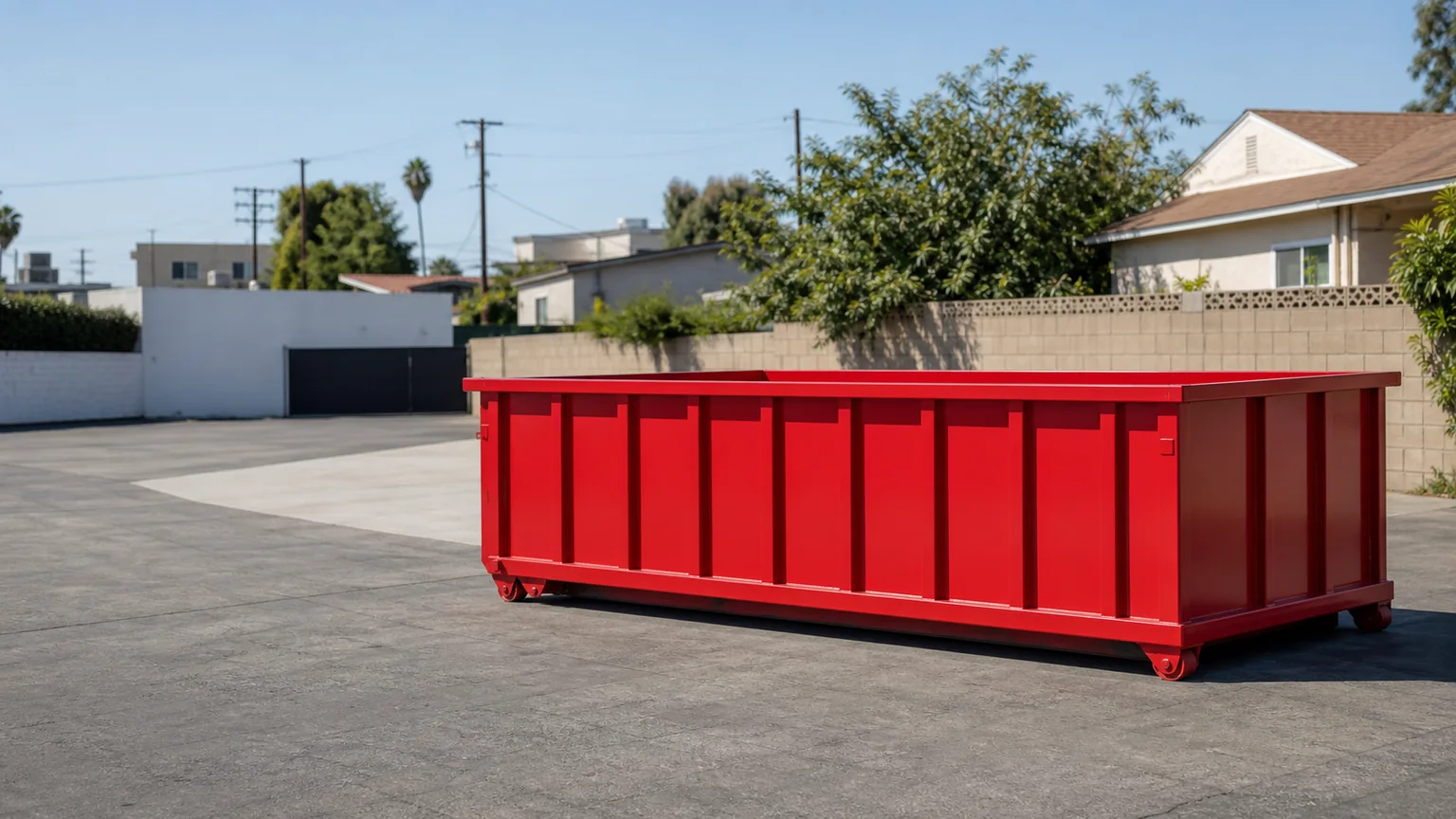
Compare dumpster sizes for home cleanouts, apartment turnover, roofing, remodeling, construction, yard work, business cleanup, and heavy debris. Start with the load, the placement area, and your dates.
When comparing dumpster rentals in National City, start with the actual pile. “A cleanout” can mean one bedroom or a full property. “Remodel debris” can mean light drywall and cabinets or dense tile and concrete. A clear item list makes the size and weight discussion much more useful.
Send the project type, main materials, rough amount, exact National City address, preferred dates, and a photo of the placement area. Call (619) 720-4511 if talking through the load is easier.
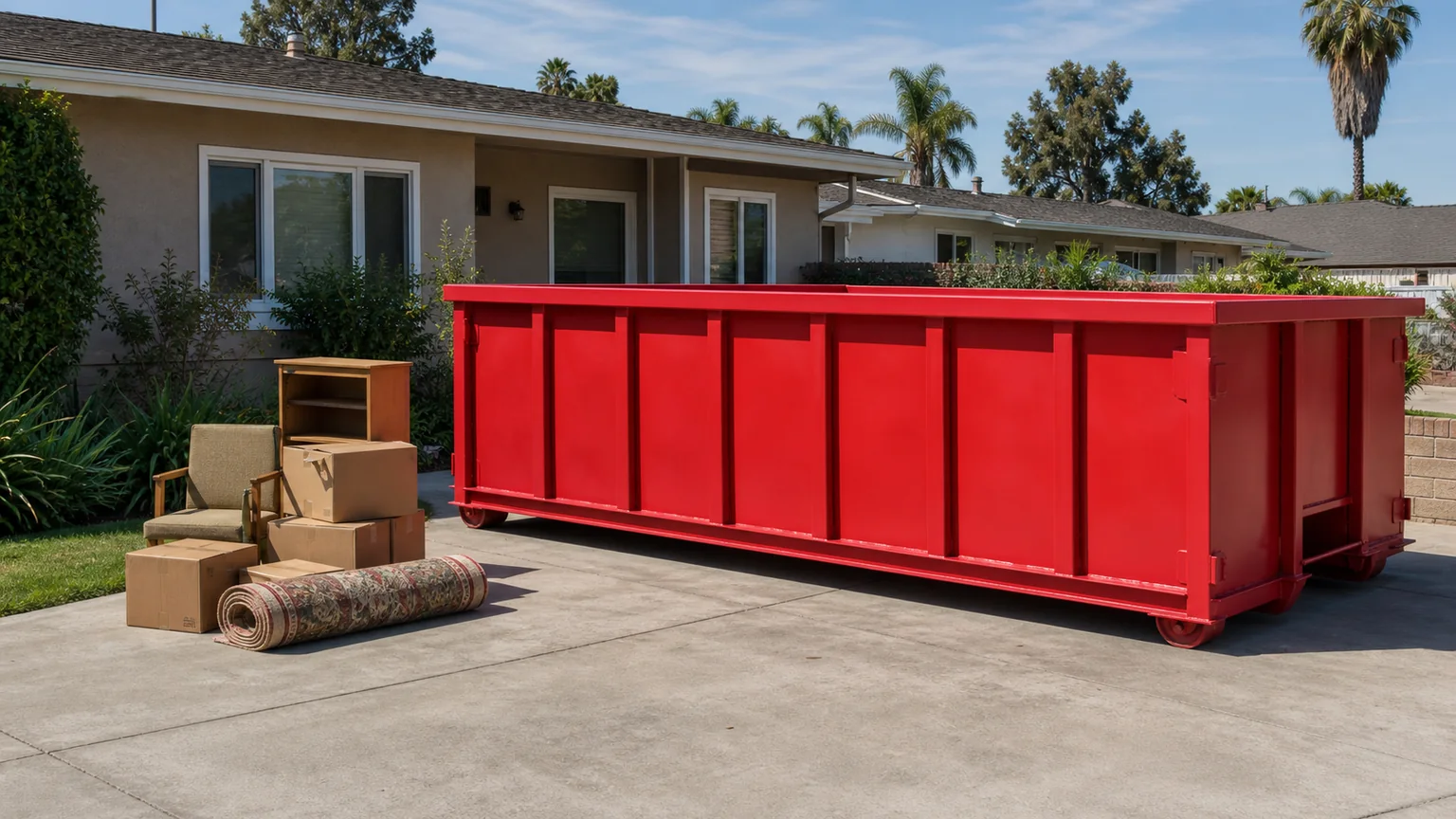
Use these project examples to build a material list before comparing sizes.
Count furniture, shelving, rugs, boxes, bags, and long pieces before choosing a size. A clear list helps prevent a container that is too small for the final sweep.
Plan around stairs, gates, shared parking, and the path from the unit to the dumpster. Keep tenant and maintenance access open during loading.
List cabinets, counters, fixtures, flooring, tile, drywall, and short lumber. Separate very heavy material before it is mixed with lighter remodel debris.
Share the roof size, number of layers, and material type. Roofing weight adds up quickly, so the load needs to be reviewed before the dumpster is selected.
Frame the request around the current phase: demo, framing, drywall, finish work, or final cleanup. This keeps different material types from being guessed together.
Eligible clean concrete, dirt, soil, rock, asphalt, brick, stone, and tile may go only in a reviewed 10-yard lowboy. Never load or mix them in a general-debris dumpster.
Describe branches, fencing, planters, sod, soil, patio pieces, and outdoor furniture. Keep long branches and boards below the top edge.
List shelving, displays, packaging, office furniture, fixtures, and remodel waste. Protect loading zones, doors, and customer access while the dumpster is on site.
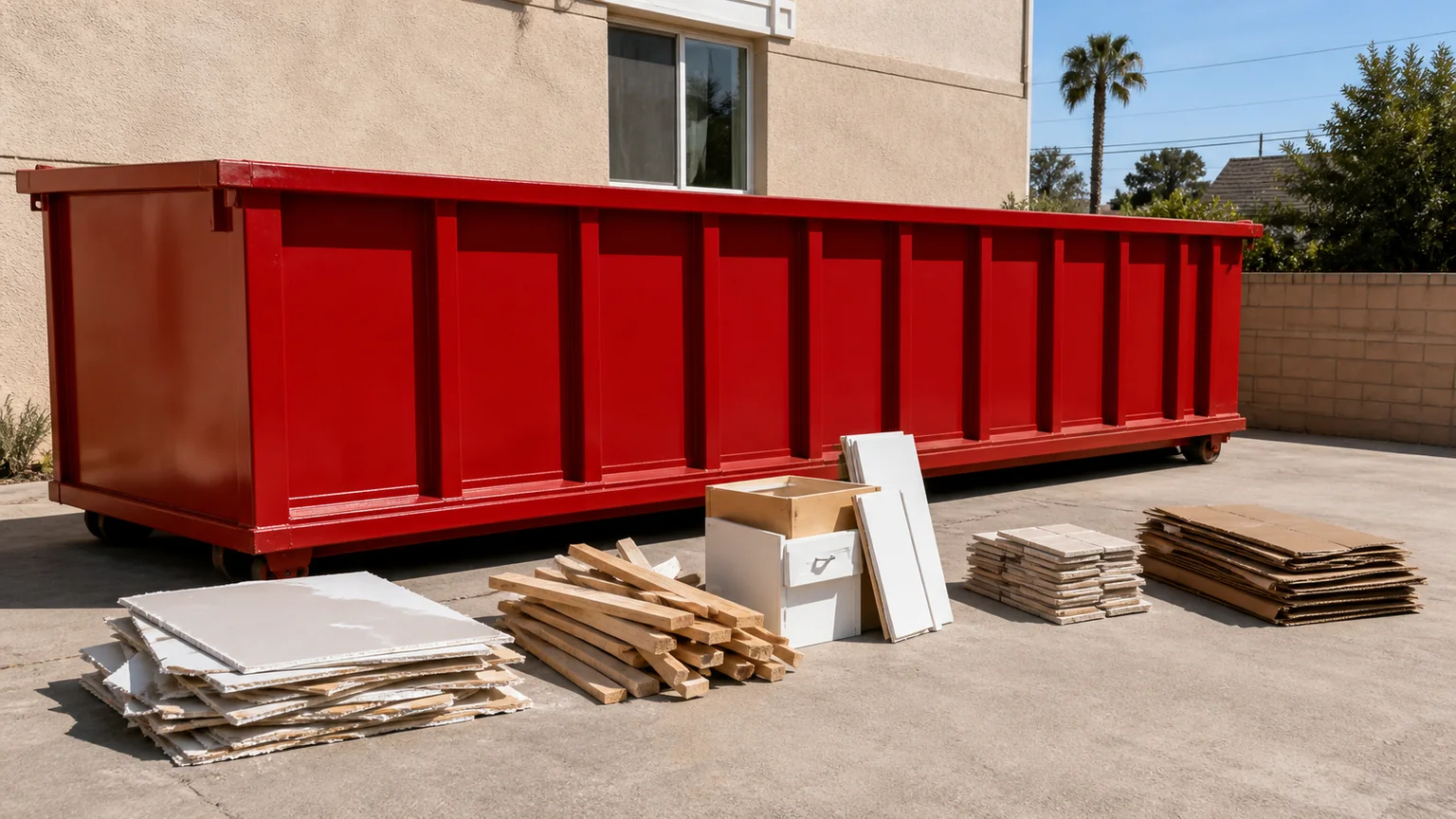
Furniture, boxes, cabinets, drywall, flooring, roofing, short lumber, fencing, green waste, and business fixtures may be part of the review.
Eligible clean concrete, dirt, soil, rock, asphalt, brick, stone, and tile may go only in a reviewed 10-yard lowboy. Never load or mix them into a general-debris dumpster.
Hazardous materials, paint, liquids, chemicals, batteries, propane, tires, electronics, medical waste, and asbestos are prohibited. Do not load them. Appliances require Haul’n Off approval before loading. Keep all permitted debris below the top edge.
Dimensions come from the current Haul'n Off product setup. A quote still depends on material, weight, dates, address, and access.
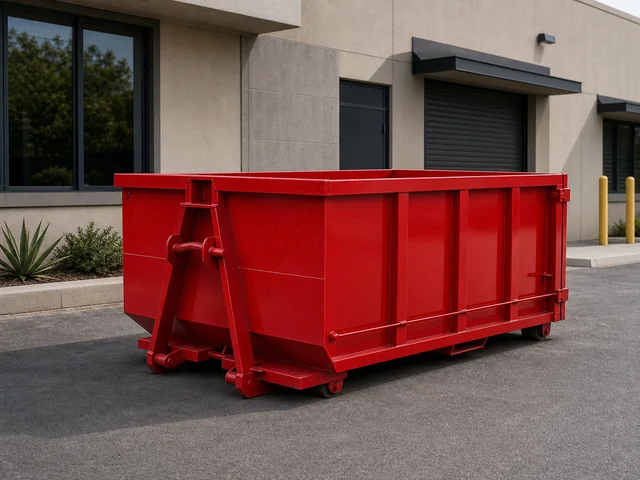
A first comparison for a room, garage, apartment turnover, small bath, or lighter yard cleanup.
Check: Make sure bulky furniture and long pieces will fit below the top edge.
Open size details →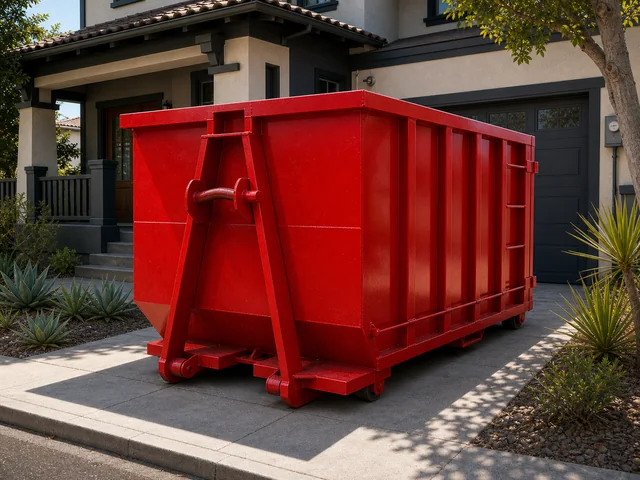
Worth comparing for roofing, a larger cleanout, or a kitchen and bath remodel with mixed light debris.
Check: Review roofing layers and dense tile before loading because weight can change the plan.
Open size details →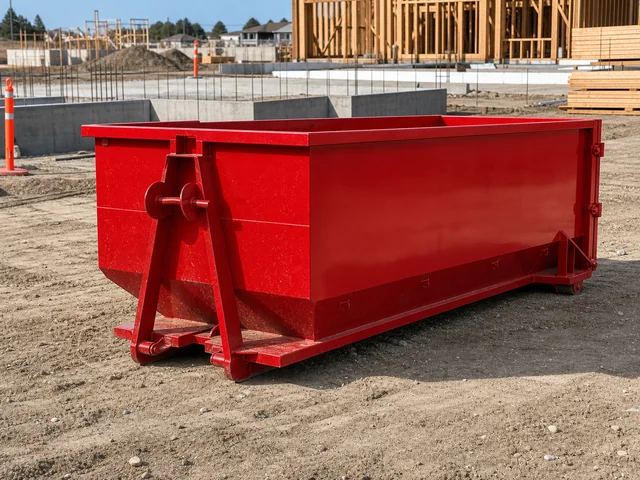
Often considered for a whole-home cleanout, major remodel, ADU phase, or business turnover.
Check: Confirm there is room for the longer container and a clear pickup path.
Open size details →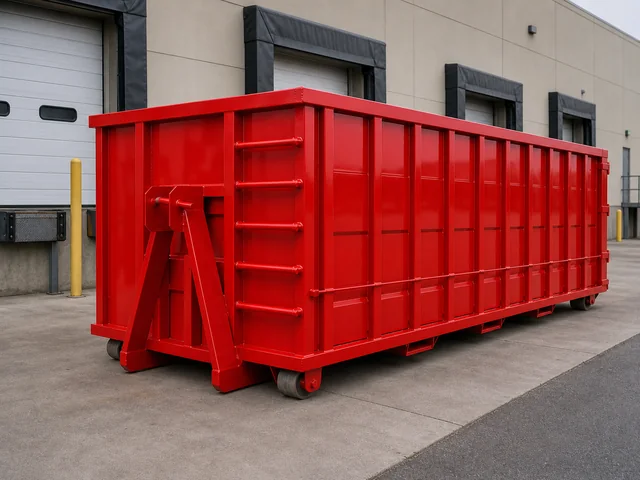
Built for high-volume, lighter debris from large construction, demolition, or property cleanup work.
Check: Do not use volume alone to plan a heavy load. Material weight still controls the safe fit.
Open size details →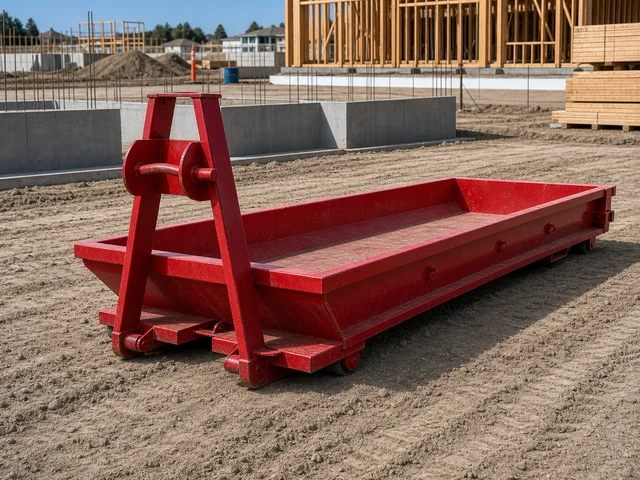
The shallow choice to discuss for concrete, dirt, brick, asphalt, stone, and other dense material.
Check: Keep the material clean when required and do not mix in household trash or bulky light debris.
Open size details →A useful comparison shows what is included instead of relying on one number without the project details.
Read the Cost GuideLarger containers can change delivery, pickup, disposal, and space needs.
Household items, remodel debris, roofing, yard waste, and heavy material are not handled the same way.
Concrete, dirt, roofing, tile, and other dense loads can affect the quote even when the container is not full.
Your preferred delivery date, pickup date, and number of days help define the request.
Driveway width, gates, slope, overhead space, and the pickup route can affect what fits.
Hazardous materials, paint, liquids, chemicals, batteries, propane, tires, electronics, medical waste, and asbestos are prohibited. Appliances require Haul’n Off approval before loading.
Share the project type, main material, estimated amount, and any heavy or unusual items.
Measure the narrowest entry and the open pad. Note gates, slope, wires, trees, roof edges, doors, and parked cars.
Move vehicles, open gates, protect the loading path, keep debris below the rail, and clear the same route again for pickup.
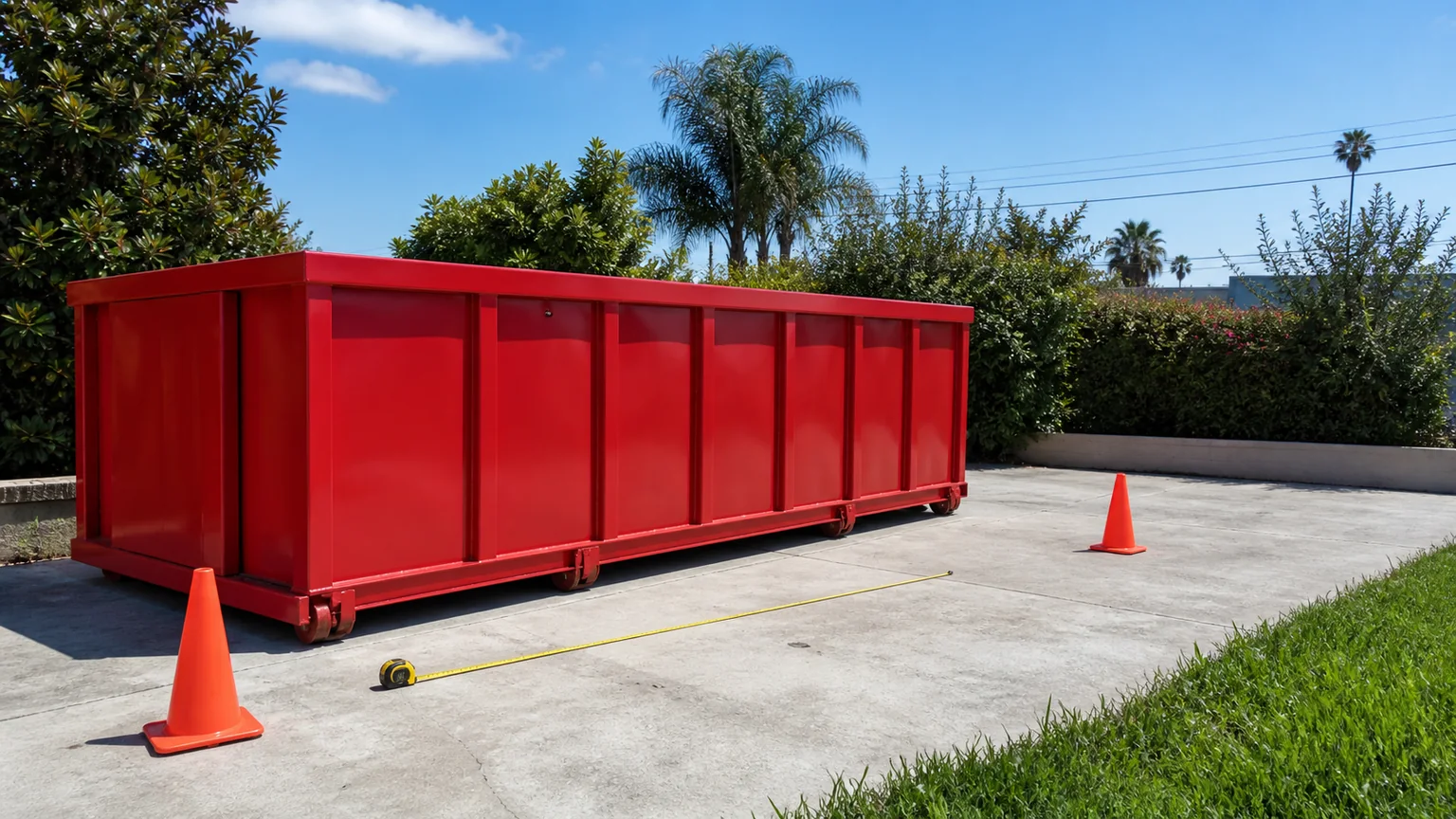
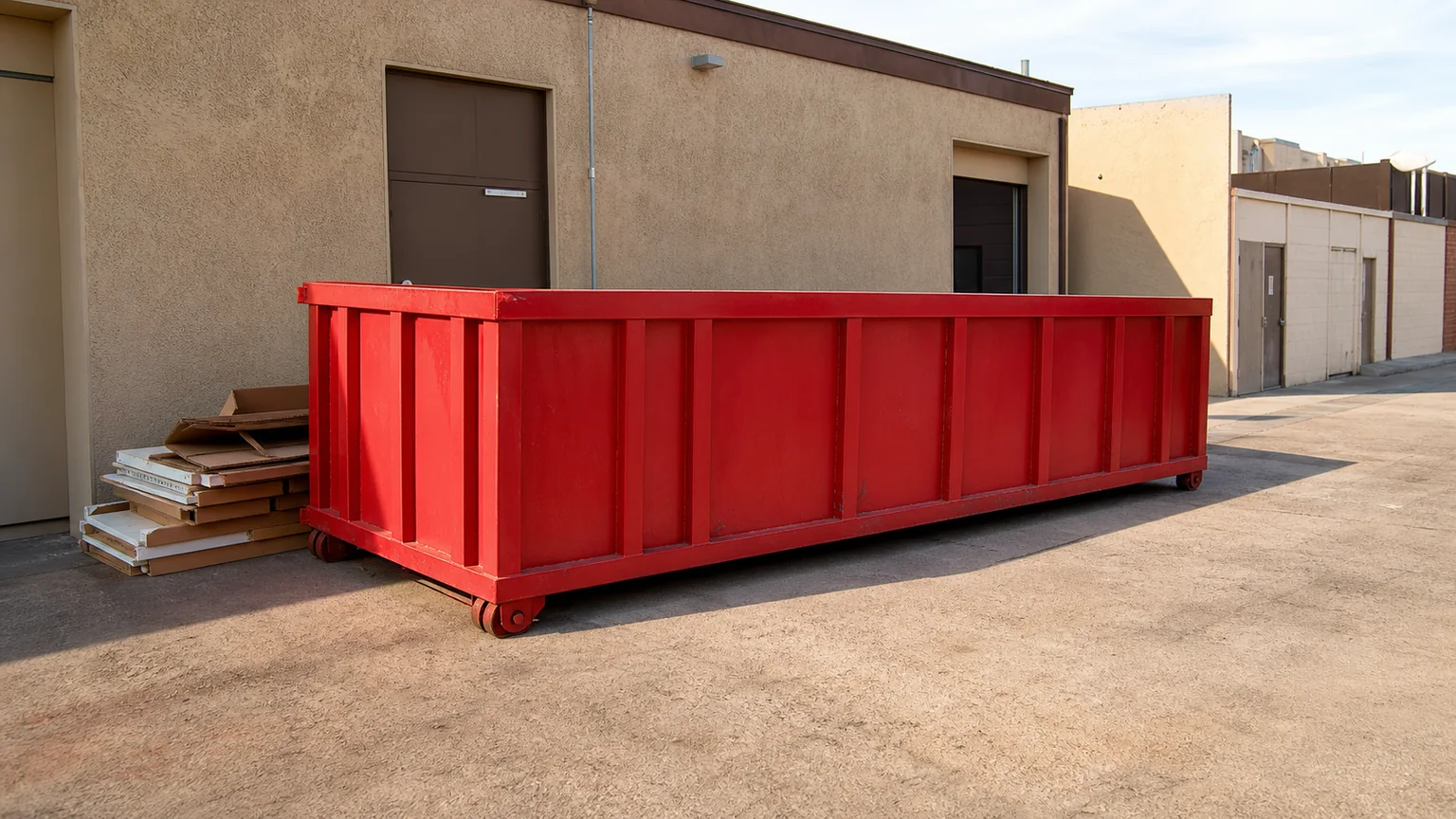
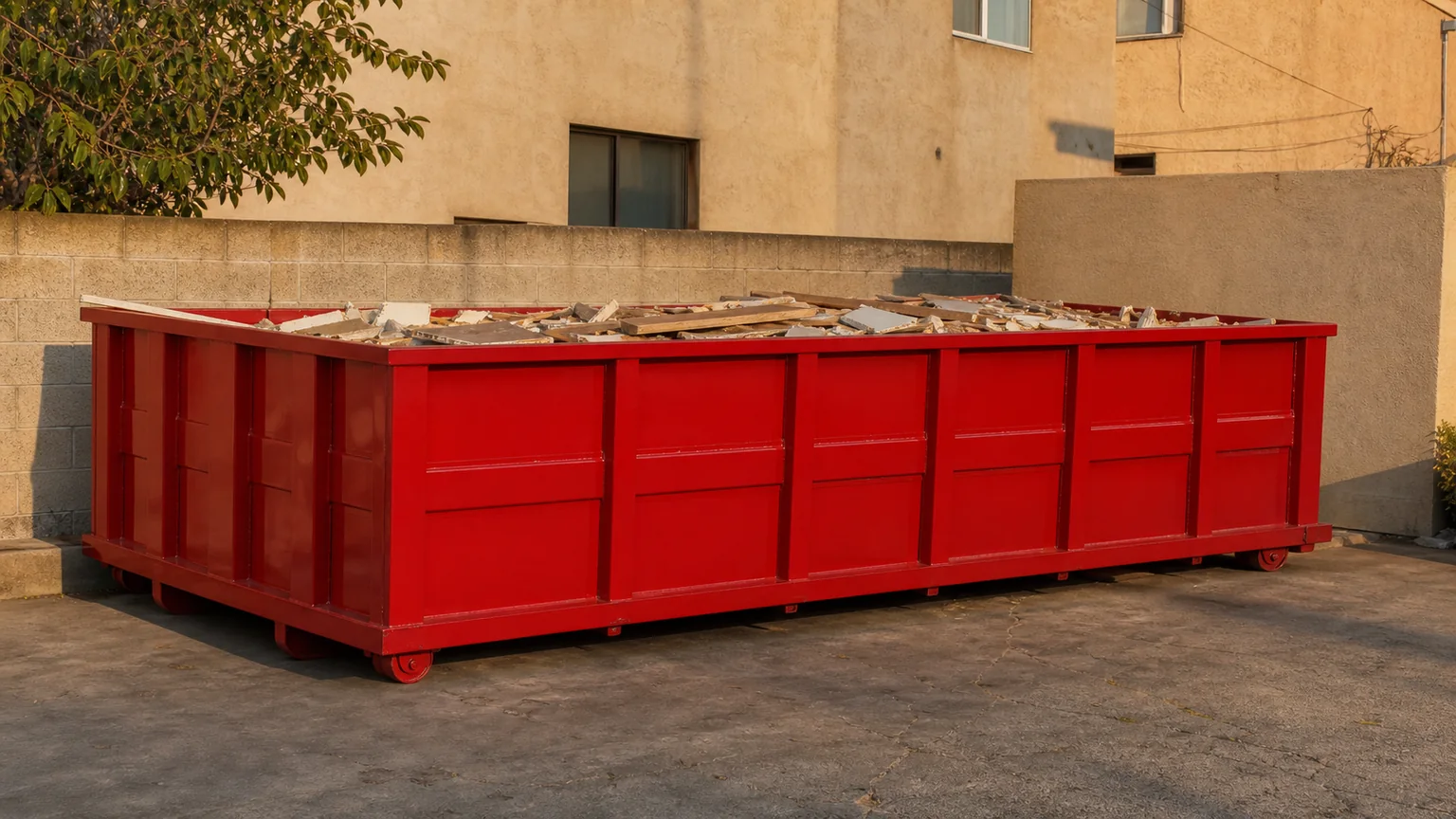
Driveway width, shared parking, alleys, overhead space, and business access can change from block to block.
An address outside National City should use the matching city or regional guide.
If the dumpster cannot stay on private property, confirm current public-space requirements before scheduling delivery.
Send the job address, your contact details, preferred dates, a material list, the rough amount, and the size you want to compare. Add notes or photos that show the driveway, gate, slope, wires, or tight turns. The request is reviewed before any service details are confirmed.
Not by itself. Make a quick list of furniture, shelves, rugs, boxes, bags, and long pieces. Then note whether everything is coming from one room, a garage, an apartment, or the full property. The item list gives a better starting point than room count alone.
Break the job into its current stage and list what comes out during that stage. Include cabinets, drywall, flooring, tile, lumber, fixtures, roofing type, and roof layers. Keep concrete, dirt, and other dense material separate from the lighter list.
Eligible clean concrete, dirt, soil, rock, asphalt, brick, stone, and tile may go only in a reviewed 10-yard lowboy. These materials are prohibited in tall general-debris dumpsters and cannot be mixed with general debris.
Hazardous materials, paint, liquids, chemicals, batteries, propane, tires, electronics, medical waste, and asbestos are prohibited. Do not load them. Appliances require Haul'n Off approval before loading. Approved appliances cost $75 per appliance.
The container, debris, estimated weight, dates, address, placement area, access route, and special items can all change the work. Compare what each quote includes for time, weight, delivery, pickup, extra days, extra weight, and special handling.
Record the narrowest width on the route and the usable length and width of the final pad. Check slope and overhead room near wires, branches, and roof edges. Doors, vehicles, gates, and work zones must stay clear when the dumpster returns for pickup.
Contact the City of National City before setting a delivery date for a street, parking lane, sidewalk, or alley location. Ask what current steps apply to that space. A private driveway or lot still needs safe access, but it avoids blocking public space.
Use the page that matches the job address. Nearby guides cover Chula Vista, Bonita, Imperial Beach, Lemon Grove, and the wider San Diego area. You can also put the full address in the quote request so the location can be reviewed.
Stop the load below the top rail and pull back anything that sticks out or hangs over a side. Remove loose debris from the ground, move vehicles, open the gate, and clear the same route used for delivery. Tell us about any site change before pickup.
A complete quote request is the fastest way to review the dumpster size, material, access, and timing together.