
1
Bulky + lighter
Cleanout volume
Start with furniture, shelving, boxes, bags, cabinets, short lumber, and yard debris. Count the large pieces before estimating the smaller pile.
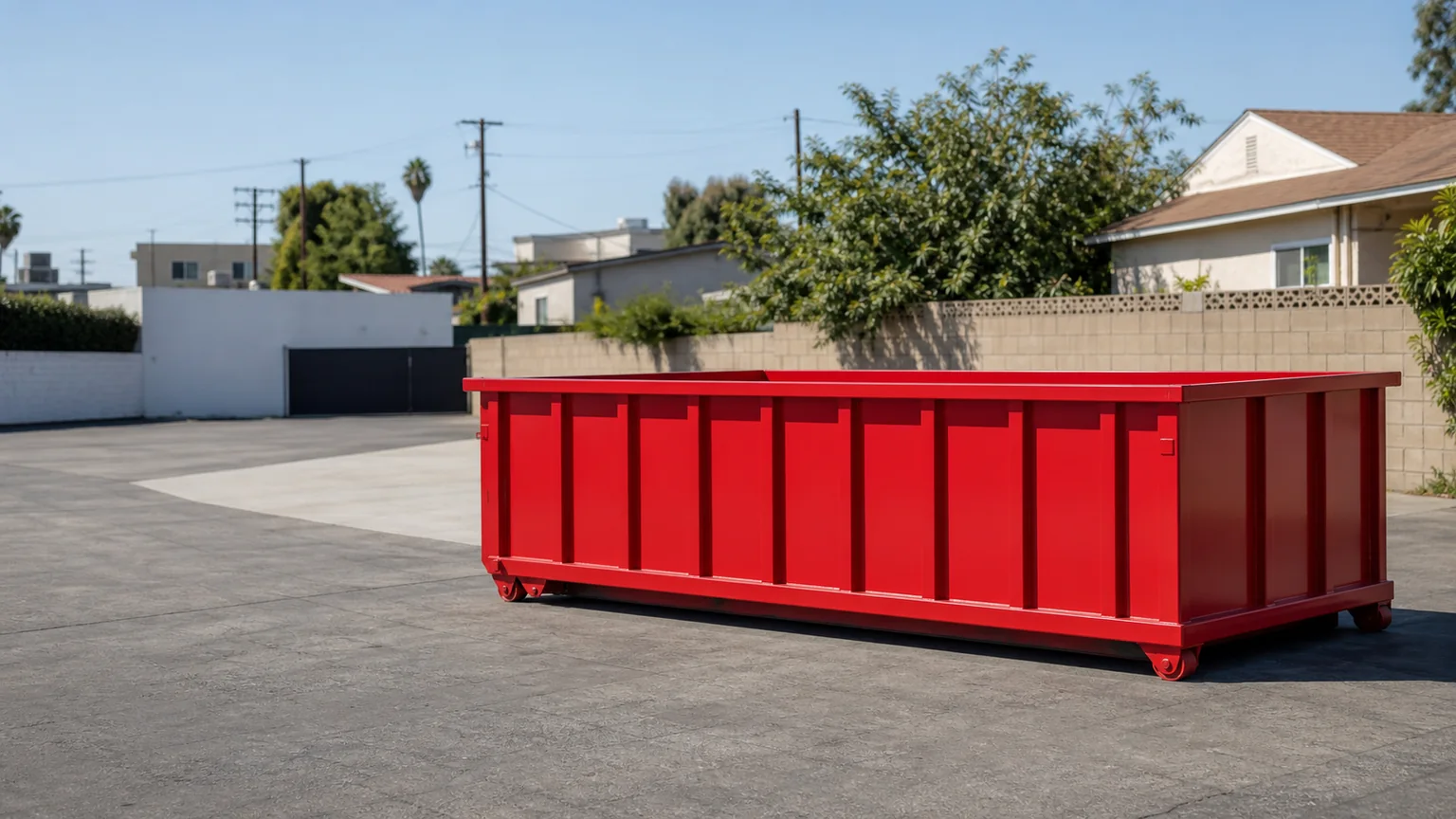
Compare Oceanside dumpster rentals for garage cleanouts, move-outs, roofing, remodeling, construction, yard work, business cleanup, and heavy debris. Build the request around the real load and the space you have.
Use Project details for the rough amount, placement spot, access notes, and preferred dates. If a photo would help, note that so the team can request it after reviewing the submission.
Project names can hide the details. Use the material and rough amount to choose the right starting lane.
Start with furniture, shelving, boxes, bags, cabinets, short lumber, and yard debris. Count the large pieces before estimating the smaller pile.
Name each material in the current work phase. Roofing, drywall, cabinets, flooring, tile, and framing scraps can fill space and add weight in different ways.
Eligible clean concrete, dirt, soil, rock, asphalt, brick, stone, and tile may go only in a reviewed 10-yard lowboy. Never load or mix them in a general-debris dumpster.
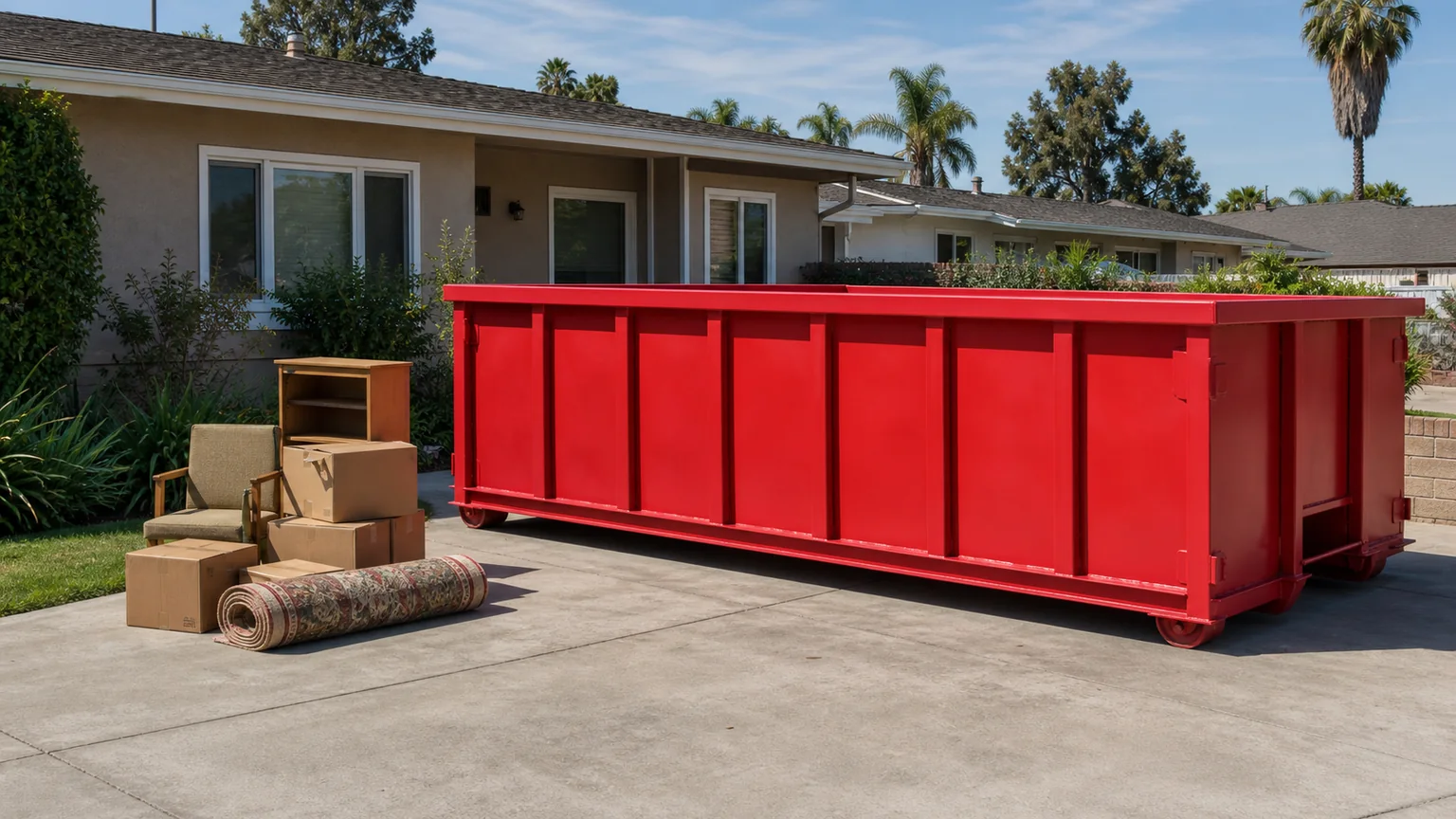
“Cleanout” could mean six bags or a house full of furniture. “Remodel” could mean cabinets and drywall or a heavy tile floor. The full list helps compare volume and weight together.
Find Your Project TypeBuild a short material list from the part of the project that is happening now.
List shelves, bins, furniture, rugs, tools, long pieces, boxes, and bagged debris. Measure the biggest items so they can sit below the rail.
Separate keep, donate, and disposal piles before the dumpster arrives. Note stairs, shared drives, parking, and the carry path from each room.
Name cabinets, counters, fixtures, flooring, drywall, tile, and wood. Keep concrete, stone, and heavy tile out of a general estimate.
Share the roof area, number of layers, roofing type, and whether sheathing is coming off. The weight plan matters before the bin looks full.
Describe the active stage, such as demolition, framing, drywall, finishes, or closeout. This keeps several different debris streams from becoming one guess.
Estimate the slab, footing, block, paver, or soil amount. Eligible clean dense material may go only in a reviewed 10-yard lowboy and cannot be mixed with other project debris.
Describe branches, fencing, planters, sod, soil, patio pieces, and outdoor furniture. Cut or place long material so it stays inside the container.
List shelving, displays, office furniture, packaging, fixtures, and repair debris. Protect doors, loading spaces, customer paths, and the pickup lane.
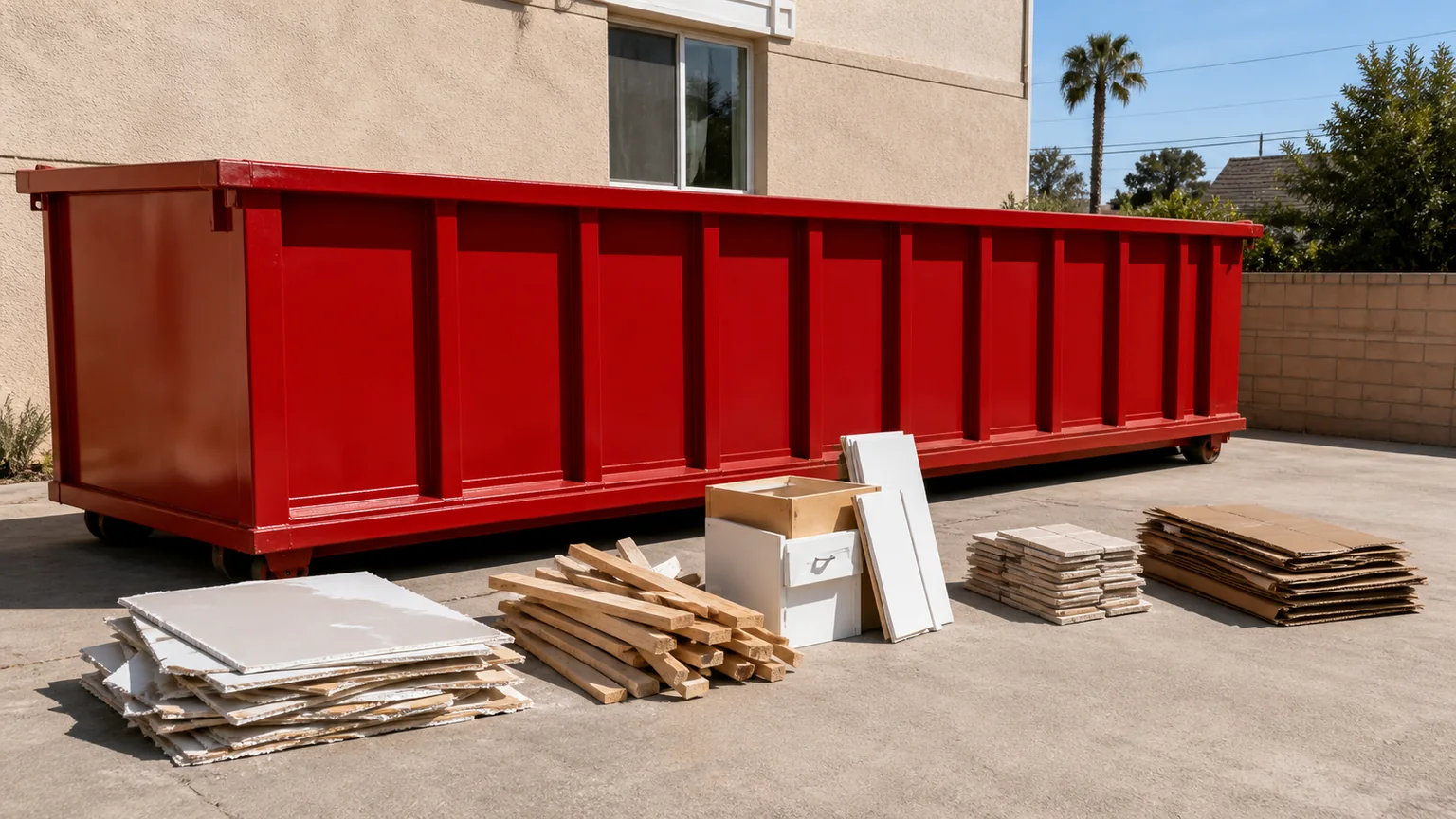
Furniture, boxes, cabinets, drywall, flooring, roofing, short lumber, fencing, green waste, and business fixtures can be listed for review.
Eligible clean concrete, dirt, soil, rock, asphalt, brick, stone, and tile may go only in a reviewed 10-yard lowboy. Never load or mix them into a general-debris dumpster.
Hazardous materials, paint, liquids, chemicals, batteries, propane, tires, electronics, medical waste, and asbestos are prohibited. Do not load them. Appliances require Haul’n Off approval before loading. Keep all permitted debris level and below the top rail.
Current product dimensions come from the Haul'n Off size setup. Use the examples to narrow the request, then include the actual debris and placement details.
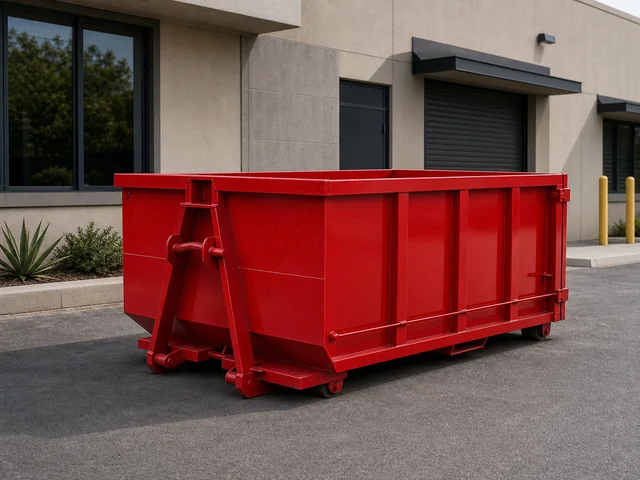
Compare this size for a garage, spare room, small move-out, bath remodel, or lighter outdoor cleanup.
Watch: Bulky furniture can use space faster than boxes and bags suggest.
Open size details →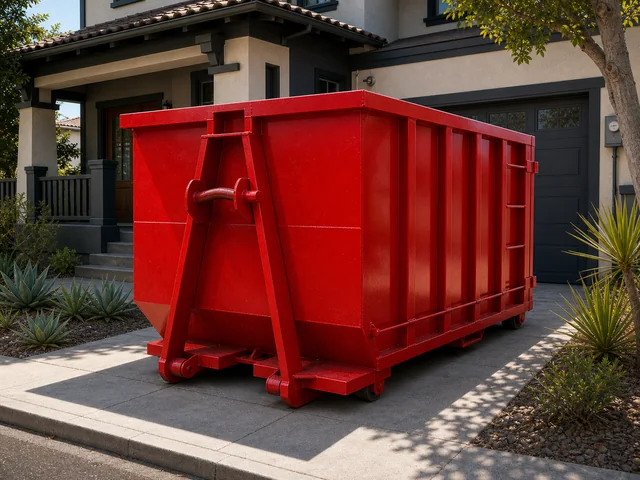
A useful comparison for roofing, medium cleanouts, kitchen work, flooring, and mixed light remodel debris.
Watch: Roof layers, tile, and other dense pieces need a weight check first.
Open size details →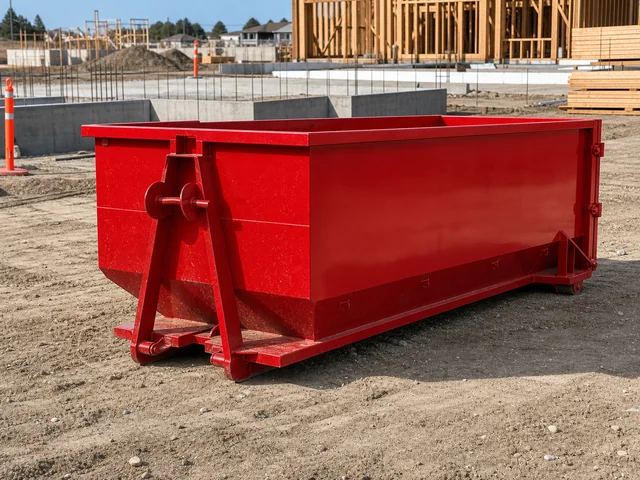
A starting point for major renovations, large move-outs, construction phases, and property turnover work.
Watch: Measure the longer placement pad and the full approach before requesting it.
Open size details →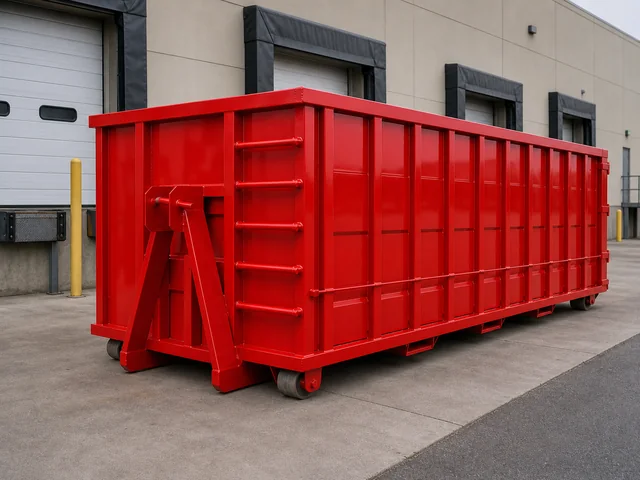
Made for high-volume, lighter material from large construction, demolition, and commercial cleanup work.
Watch: A tall container does not make a dense load safe. Material still controls the plan.
Open size details →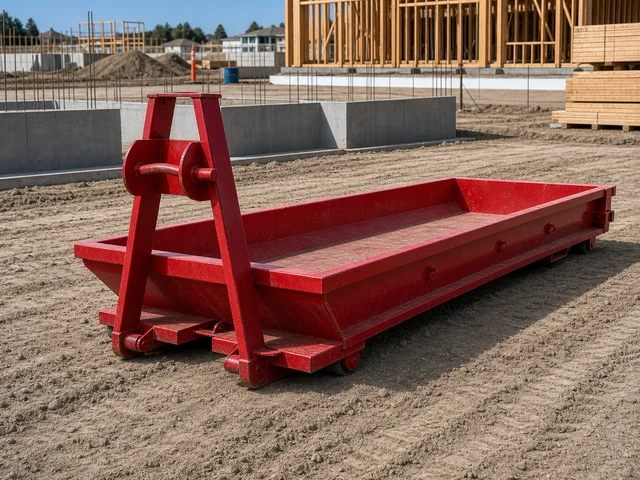
The shallow option to discuss for concrete, dirt, asphalt, brick, stone, tile, and similar dense material.
Watch: State the material and keep it clean and separate when the load calls for it.
Open size details →The same size can lead to a different plan when the material, weight, dates, address, or access changes.
Open the Cost GuideSize changes the space, transport, loading, and disposal plan.
Furniture, roofing, remodel waste, yard debris, and heavy material are not one kind of load.
Soil, concrete, roofing, tile, and stone can become heavy before the dumpster looks full.
Preferred delivery, pickup, and project dates define the time part of the request.
The driveway, gate, turns, slope, overhead room, and placement pad all matter.
Hazardous materials, paint, liquids, chemicals, batteries, propane, tires, electronics, medical waste, and asbestos are prohibited. Appliances require Haul’n Off approval before loading.
Walk from the street to the pad. Find the tightest gate, turn, branch, wire, roof edge, or parked-car pinch point.
Record clear length and width on firm, level ground. Keep garage doors, walkways, utility covers, and work zones in mind.
Leave room to carry material safely. Keep public paths, shared drives, doors, and business access open during the project.
Level the load below the rail, sweep loose debris, move vehicles, open gates, and clear the same route again.
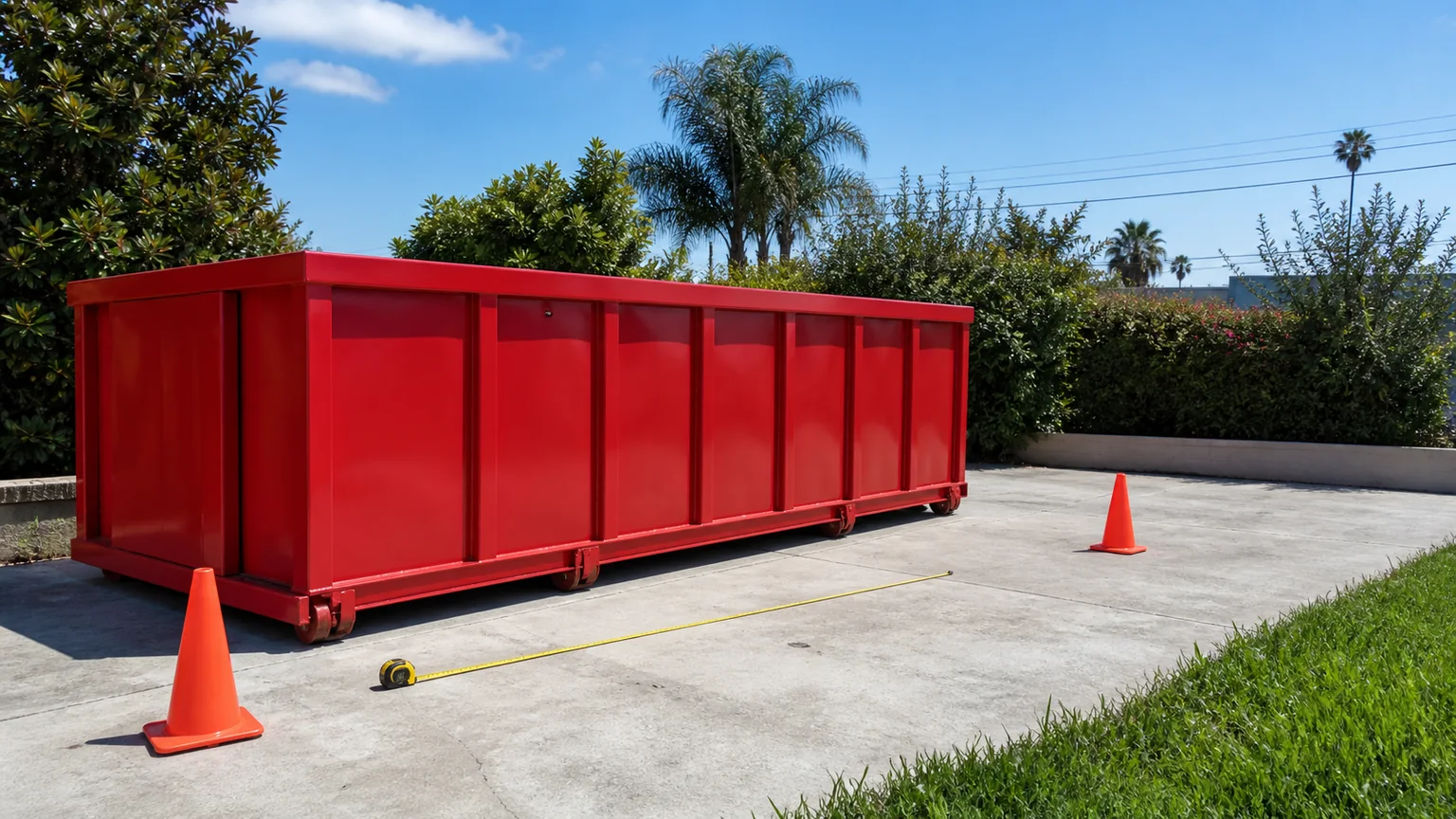
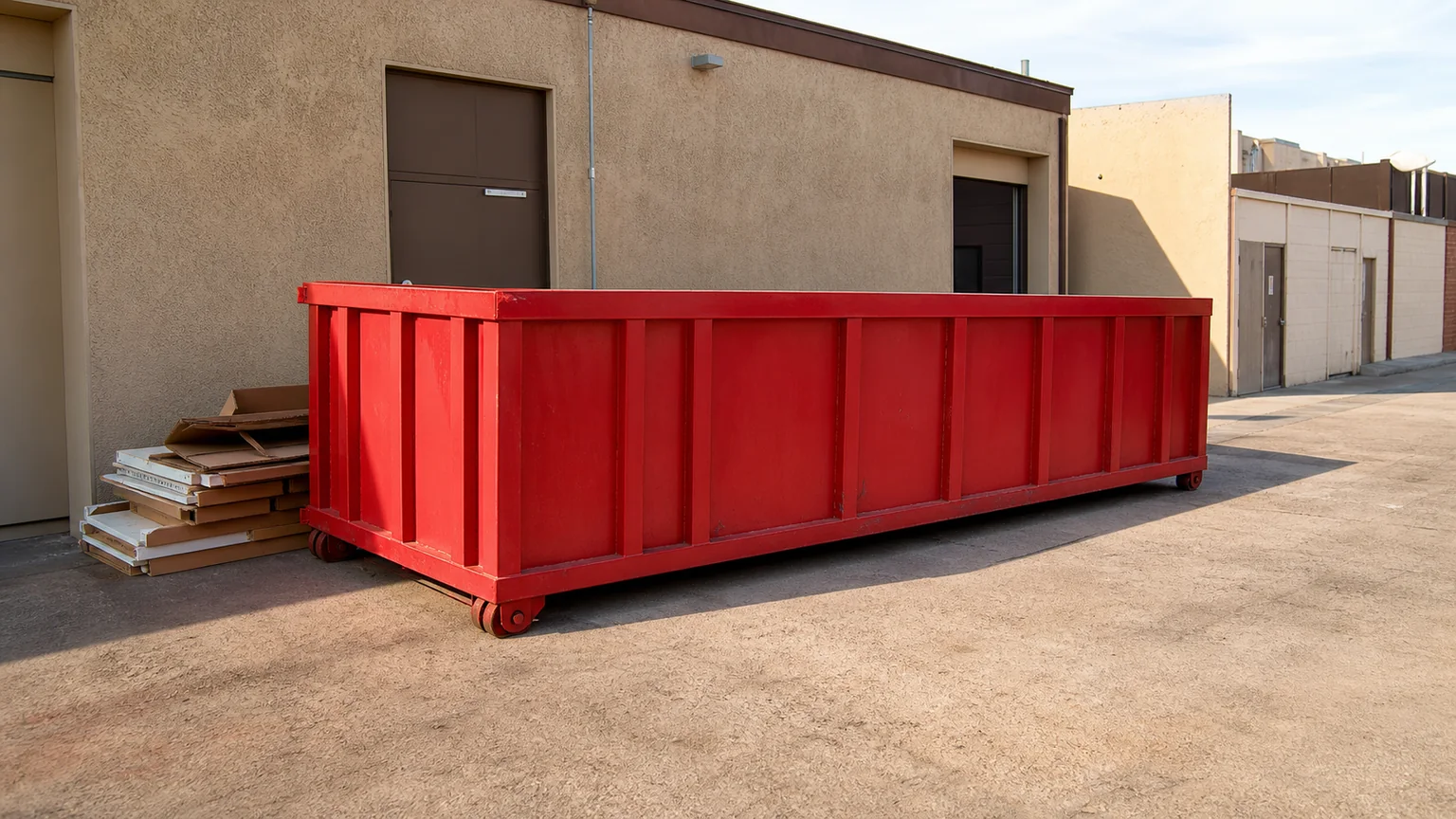
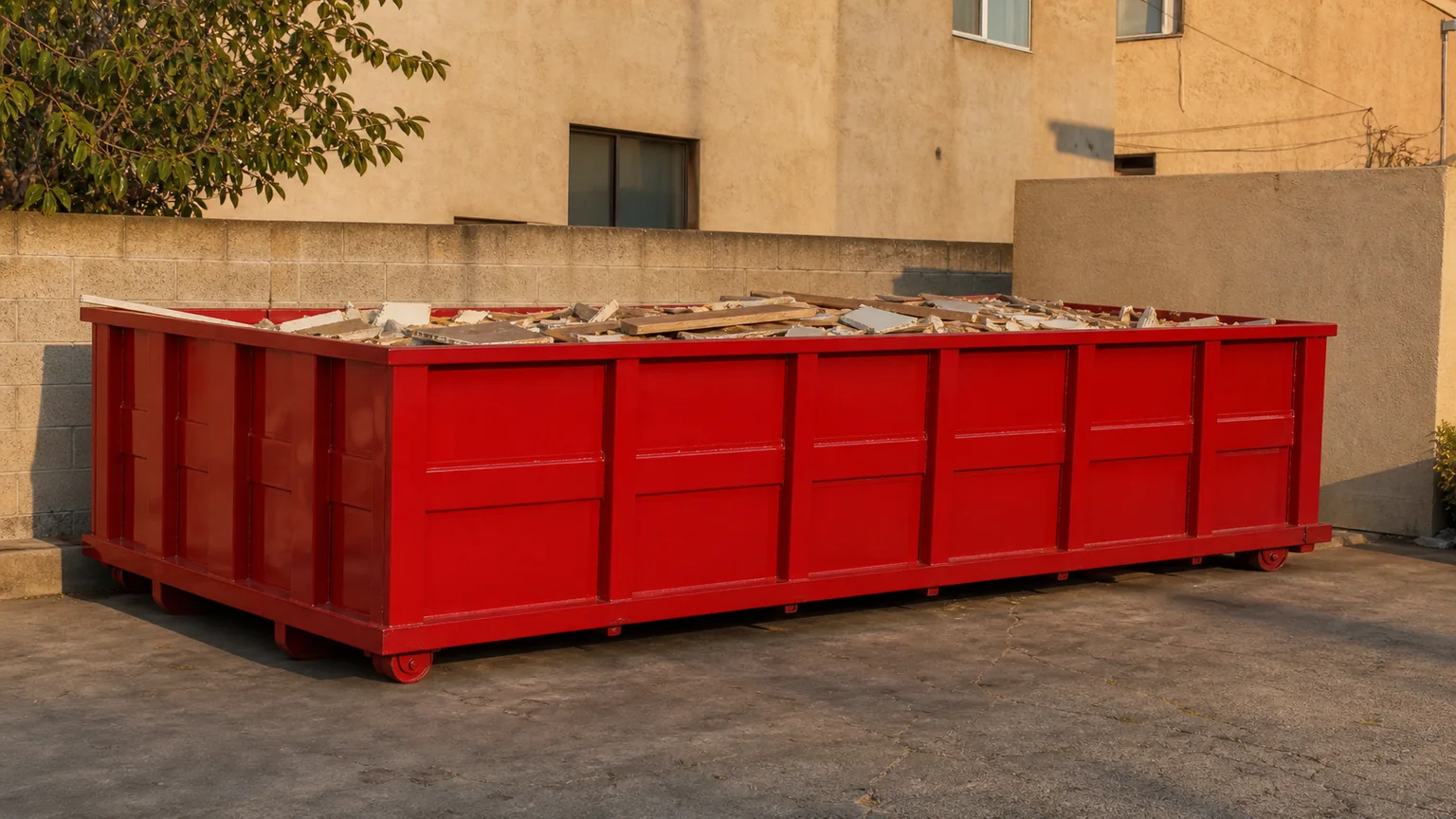
Lot size, shared access, slope, street layout, gates, and overhead room can change from one property to the next.
For work outside Oceanside, use the matching city or regional page.
A private driveway or jobsite still needs safe access. If the placement uses public right-of-way, check the City's current permit steps first. A covered construction project may also have recycling and reporting requirements.
Send the exact job address, your preferred dates, the material list, and the rough amount. Add the placement spot and any gate, slope, wire, branch, or tight-turn notes. A photo can help explain the pile or access route. The request is reviewed before service details are confirmed.
Start with the large items: furniture, shelving, rugs, mattresses, long pieces, and appliances. Then estimate the boxes and bags. Note whether the pile comes from one room, a garage, a storage area, or the full property. This item list is more useful than room count alone.
List the stage that will create debris now, such as demolition, framing, drywall, flooring, cabinets, or finish work. A stage-by-stage list helps separate light material from tile, concrete, soil, and other dense material. It can also prevent unused container space between phases.
Share the roof area, number of layers, and roofing material. Include wood sheathing or other tear-off material if it is part of the work. Roofing can become heavy before a container looks full, so the load should be reviewed before a size is selected.
Eligible clean concrete, dirt, soil, rock, asphalt, brick, stone, and tile may go only in a reviewed 10-yard lowboy. Never load them in a 15-, 20-, 30-, or 40-yard general-debris dumpster or mix them with general debris.
Hazardous materials, paint, liquids, chemicals, batteries, propane, tires, electronics, medical waste, and asbestos are prohibited. Do not load them. Appliances require Haul'n Off approval before loading. Approved appliances cost $75 per appliance.
Measure the narrowest point along the route, not only the final pad. Record usable length and width at the placement spot. Check slope, gate openings, low branches, wires, roof edges, parked cars, doors, and the room needed to return for pickup.
Check with the City of Oceanside before setting a delivery date for a street, sidewalk, alley, or other public right-of-way. The City publishes current right-of-way permit information. Ask what applies to the exact location and complete any required steps first.
Some permitted construction and demolition projects may have City recycling and reporting steps. The City publishes current construction and demolition requirements and forms. Review that source for the project, and keep any requested weight tickets or receipts organized.
Keep the load level and below the top rail. Pull back anything that sticks out or hangs over a side. Sweep loose debris, move vehicles, open gates, and clear the same route used at delivery. Share any site change before pickup.
Those details give the quote request a clear project, material, weight, access, and timing picture.
Page updated