
01
Name the debris
List the debris: furniture, boxes, roofing, drywall, cabinets, yard waste, concrete, soil, or another clear group.
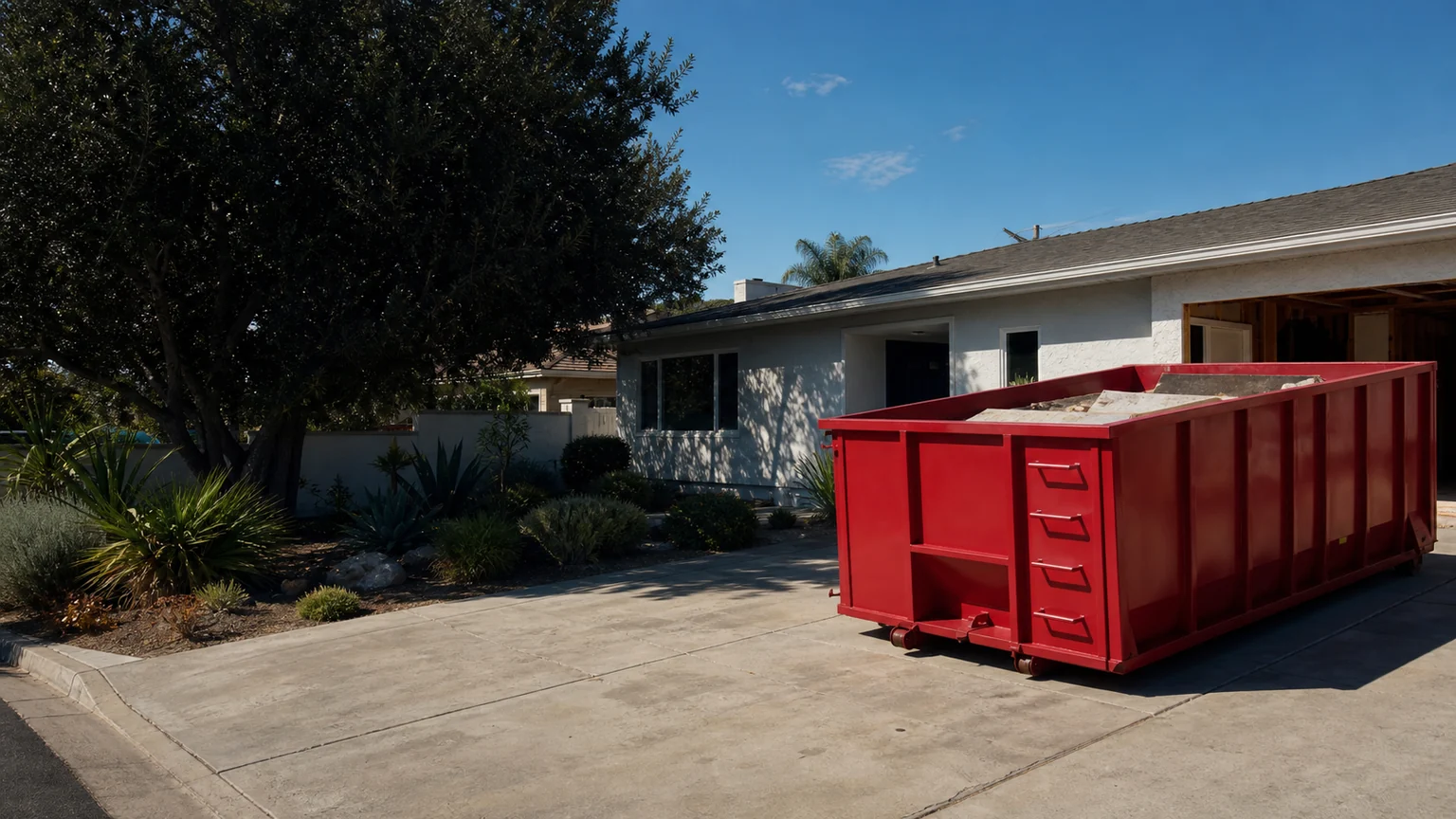
Compare Poway dumpster rentals using the debris, pile size, driveway, and project dates you actually have. Plan for home cleanouts, remodeling, roofing, yard work, construction, business cleanup, or dense material without turning the request into a guess.
In Project details, include the debris, rough amount, placement spot, route limits, and preferred dates. If photos would help, note that so the team can request them after reviewing the submission.
Poway project review: Share the exact Poway jobsite address, debris list, placement, access notes, and preferred dates. A request does not confirm price, inventory, service, or delivery.
A clear request joins the pile, space, and dates. Gather these facts before you compare bins.
List the debris: furniture, boxes, roofing, drywall, cabinets, yard waste, concrete, soil, or another clear group.
Count large objects, estimate the pile, and add a photo. Room names do not show how bulky or heavy the load will be.
Record the tightest gate, turn, overhead point, and drop pad. The full route matters as much as the final spot.
Share the dates you want and the current work stage. This ties timing to the load and site.
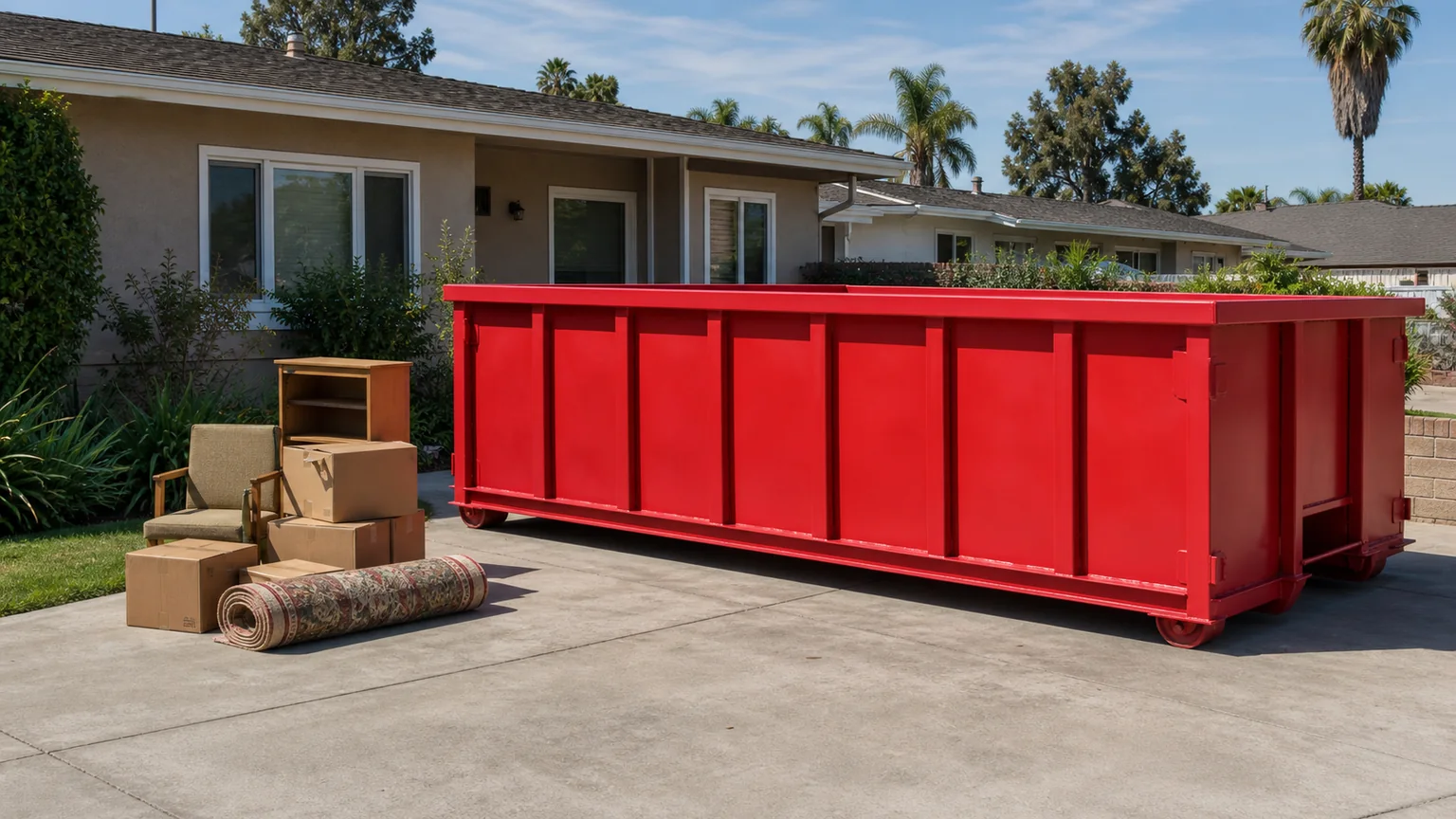
One garage may hold boxes and bags. Another may hold sofas, cabinets, shelving, rugs, and long lumber. Use a short item count and rough measurements so the size comparison reflects the real pile.
Match the Project Type →Choose the closest project, then replace the generic name with your own material list and amount.
Start with shelving, furniture, rugs, bins, tools, boxes, and long items. Measure what cannot be folded or broken down.
Make keep, donate, and disposal zones. Note stairs, long carry paths, shared parking, and any gate between the pile and bin.
Name cabinets, counters, fixtures, flooring, drywall, tile, and wood. Pull dense stone or concrete into its own estimate.
Give the roof area, type, layer count, and any sheathing. A roof load may become heavy before the bin is full.
Describe the current stage: demolition, framing, drywall, finishes, or closeout. Keep the next phase out of today’s guess.
Estimate slabs, pavers, block, asphalt, stone, tile, or soil. Eligible clean dense material may go only in a reviewed 10-yard lowboy and cannot be mixed with other debris.
List branches, fencing, planters, sod, patio debris, and outdoor furniture. Prepare pieces to remain below the top rail.
Identify shelving, displays, packaging, fixtures, repair waste, and furniture. Keep doors, parking, and customer paths usable.
Furniture and boxes use volume. Concrete and soil add weight. Unknown or risky items need another disposal check. Name these groups before choosing a dumpster.
Furniture, boxes, bags, shelving, cabinets, rugs, packaging, and many household cleanout items.
Estimate volume and the largest pieces.
Drywall, lumber, flooring, cabinets, roofing, insulation, and common construction scraps.
Name the current work phase and each material.
Eligible clean concrete, dirt, soil, rock, asphalt, brick, stone, pavers, and tile.
Never load or mix them into a general-debris dumpster. Request a reviewed 10-yard lowboy.
Hazardous materials, paint, liquids, chemicals, batteries, propane, tires, electronics, medical waste, and asbestos.
Do not load them. Appliances require Haul’n Off approval before loading.
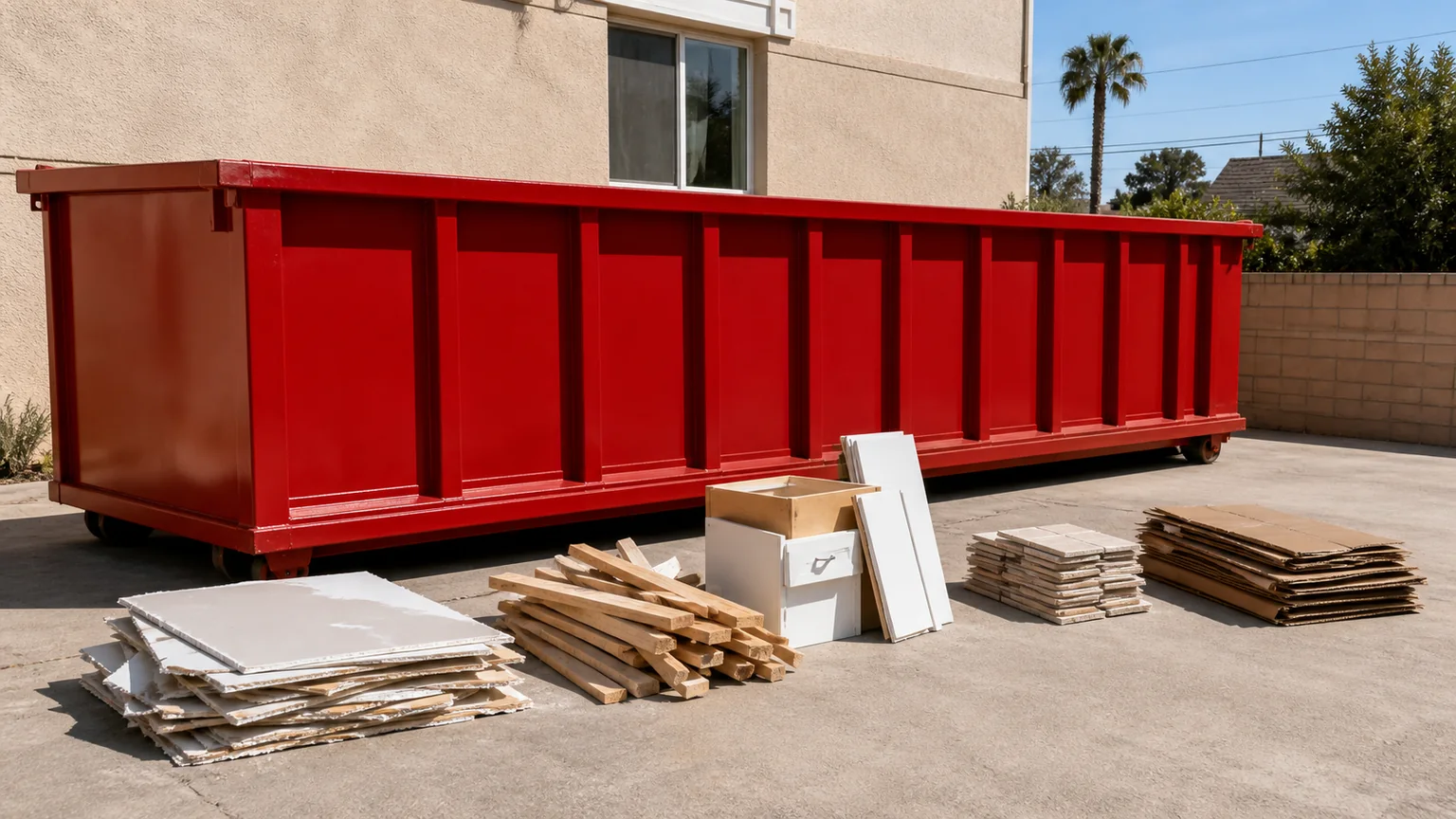
Use dimensions to check the drop pad. Use the job and debris notes to compare space.
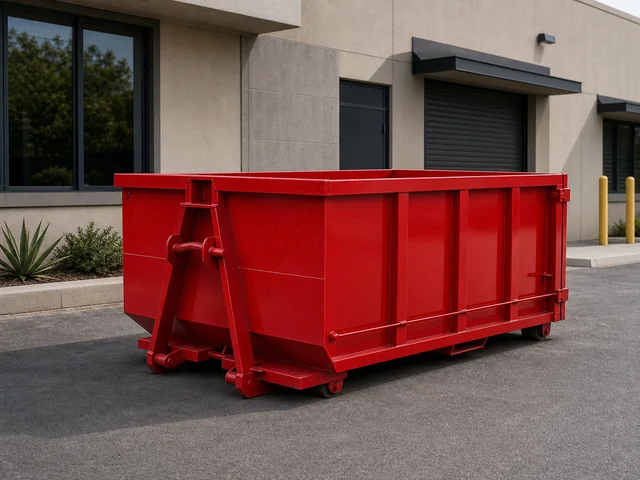
Good comparison: Compare for one-room clearing, garage work, small move-outs, bath remodeling, or lighter outdoor debris.
Watch: A few couches, cabinets, or other bulky objects can use the floor space quickly.
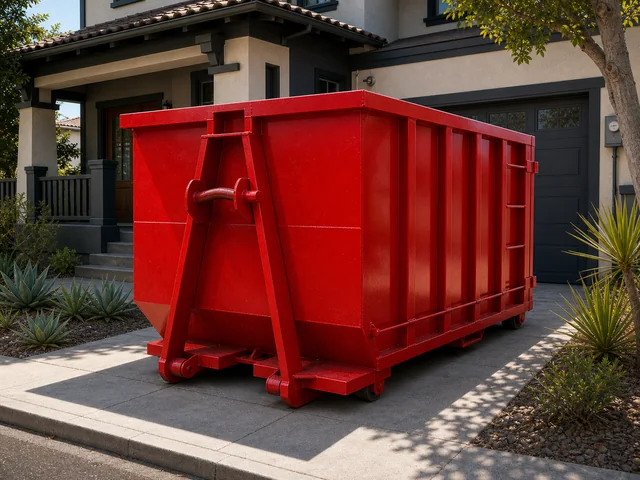
Good comparison: A useful middle option for roofing, kitchen work, flooring, cleanouts, and mixed lighter remodel debris.
Watch: Roofing needs a weight review. Eligible clean tile may go only in a reviewed 10-yard lowboy and cannot be mixed with general debris.
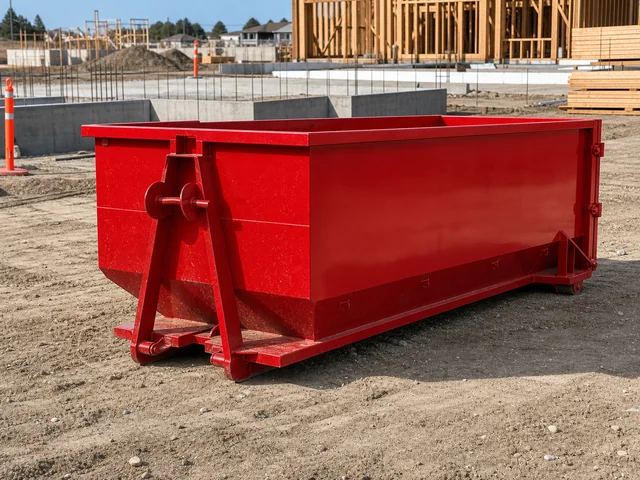
Good comparison: Compare for major renovations, large property clearing, construction phases, and business turnover work.
Watch: Measure the longer placement pad and every turn on the approach route.
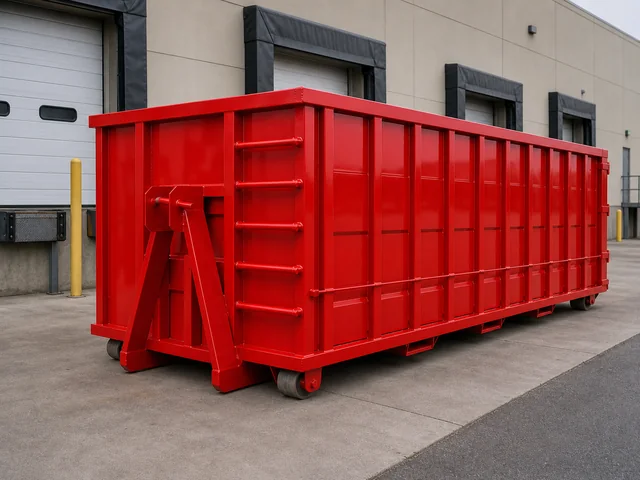
Good comparison: Built for large volumes of lighter construction, demolition, cleanout, and commercial material.
Watch: Tall walls add volume, not room to overload the bin with dense debris.
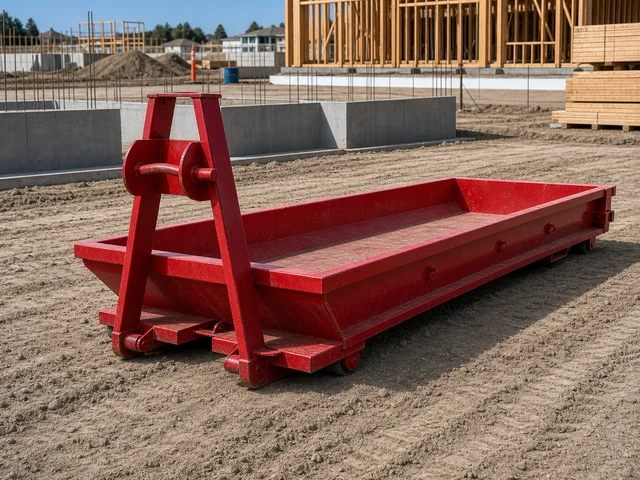
Good comparison: The only container for reviewed eligible clean concrete, dirt, soil, rock, asphalt, brick, block, stone, pavers, tile, and similar masonry.
Watch: Never mix lowboy-only material with general debris.
A useful quote starts with the bin, debris, weight, dates, address, and special items.
The bin changes the loading space, haul plan, and waste volume.
Household items, roofing, yard waste, remodel debris, and concrete are not one load.
Soil, asphalt, masonry, roofing, stone, and tile can become heavy at a low fill level.
Preferred delivery and pickup dates shape the requested time on site.
Turns, grade, overhead room, gate width, pad space, and parked vehicles affect the route.
Paint, liquids, batteries, propane, tires, electronics, medical waste, asbestos, and other hazardous materials are prohibited. Appliances require approval before loading.
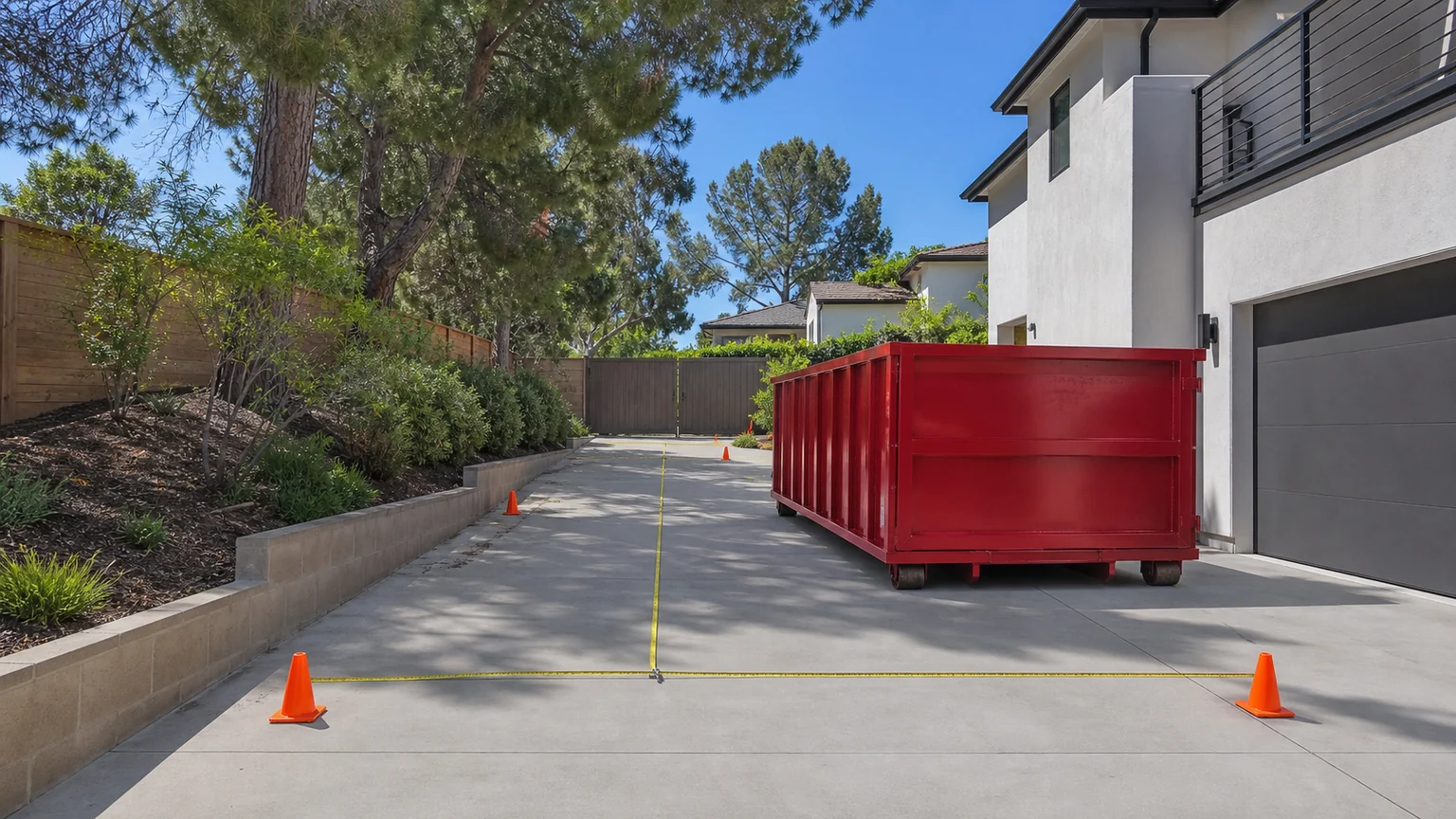
The route must work at delivery and pickup. Walk it with parked cars, open doors, workers, stored goods, and the full load in mind.
Walk the path in both directions. A truck must return to the same placement spot after the project is finished.
Choose usable length and width away from soft ground, utility covers, low edges, and areas needed for daily work.
Look for branches, wires, eaves, signs, fences, parked cars, and tight corners along the entire approach.
Keep gates, garages, walkways, neighboring drives, building doors, and business access clear where possible.
A corridor name does not prove access. Pair the full address with the property type, private placement spot, driveway notes, and work schedule.
Send the usable pad, route measurements, and any property instructions. If the proposed spot enters a public street or right-of-way, check the City resource below before scheduling.
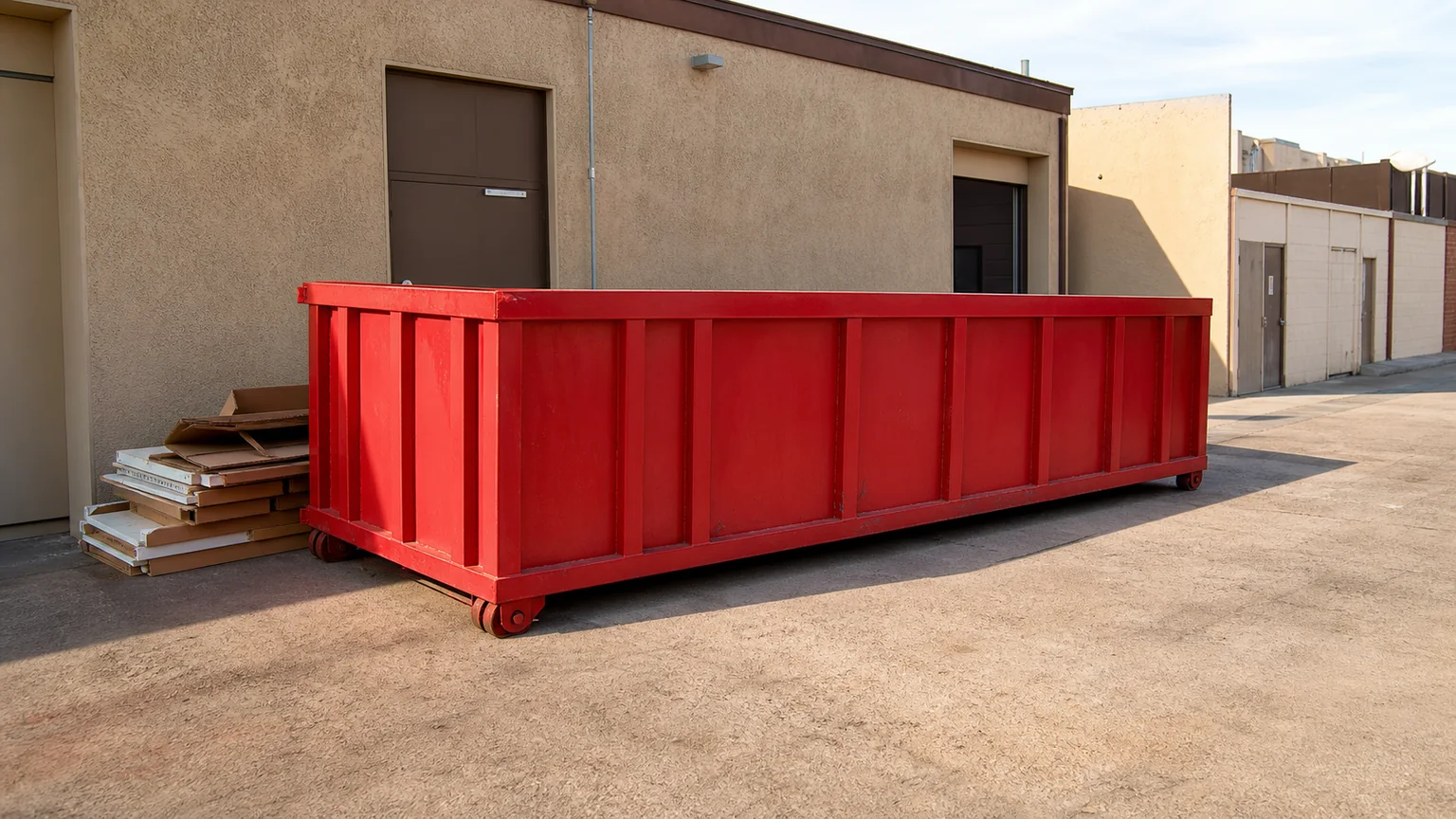
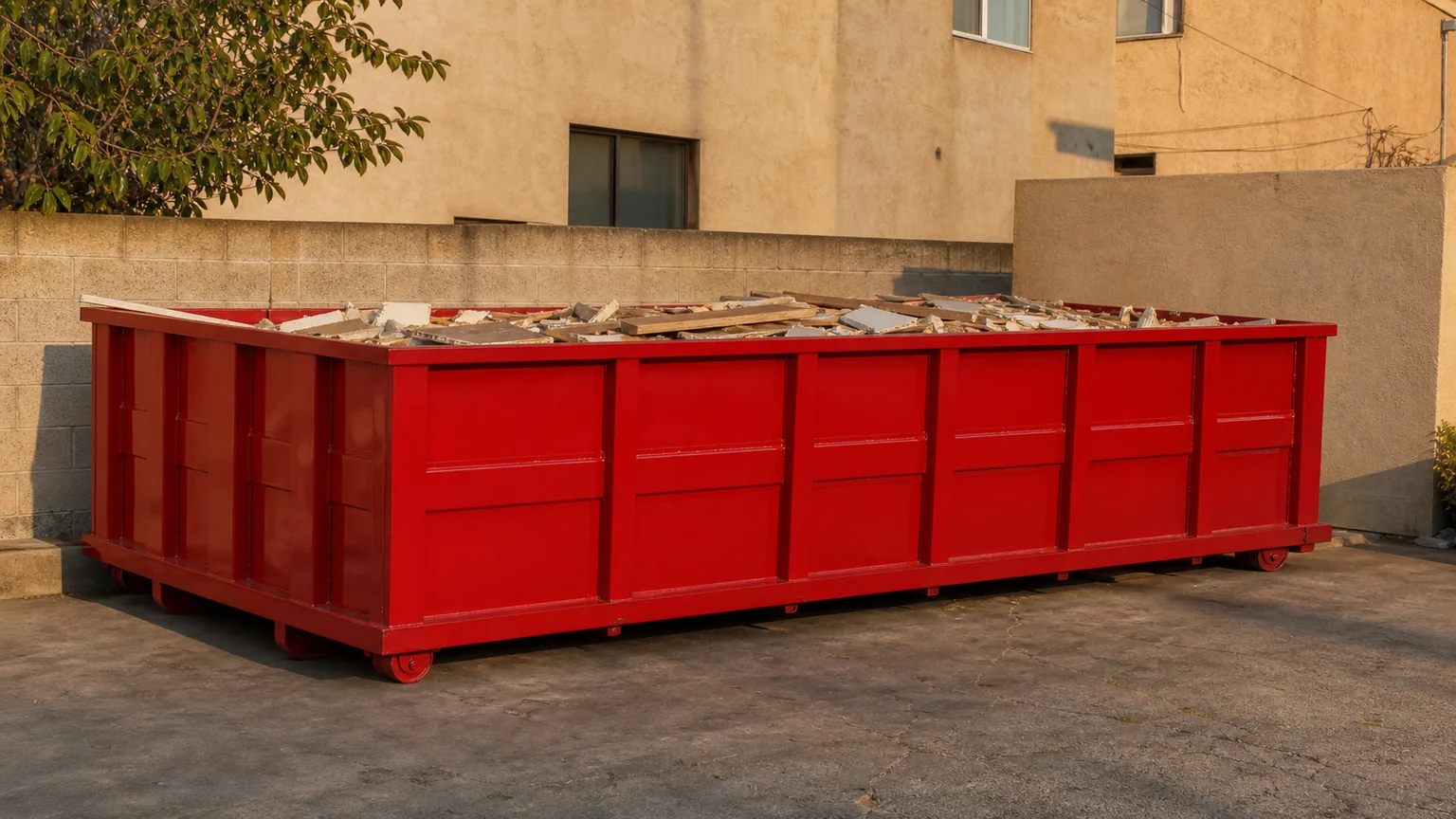
Keep debris level and below the top rail. Pull in anything that sticks out. Move vehicles, open gates, sweep loose material, and clear the same approach used at delivery.
Nothing over the rail, hanging over a side, or blocking the door area.
No cars, new piles, locked gates, low obstacles, or site changes in the way.
These links sit outside the quote steps. They help with public spots and household waste that should not enter a general load.
For a street or other public placement, review the City’s current right-of-way permit checklist before choosing a delivery date.
Open the Poway right-of-way checklist →Poway lists household chemicals, paint, batteries, electronics, propane, and other hazardous material for a separate disposal path. These materials are prohibited in Haul’n Off dumpsters.
Read Poway household hazardous waste guidance →Send the job address, material list, rough amount, placement spot, access notes, and preferred dates. Name the largest items and anything dense or unusual. A pile photo and a driveway photo can make the request easier to review.
Count the furniture, shelves, rugs, boxes, bags, and long pieces. Measure the biggest items and note whether the debris comes from one room, a garage, or the full home. Compare that list with the size cards instead of using room count alone.
It can help to plan demolition, framing, drywall, cabinets, flooring, and finish work as separate debris stages. This makes the material mix easier to explain and keeps dense tile, stone, or concrete from being hidden in a general estimate.
Share the roof area, roofing type, number of layers, and whether wood sheathing will be removed. Roofing can add weight before the container looks full, so list the material before choosing a size.
Eligible clean concrete, dirt, soil, rock, asphalt, brick, block, stone, pavers, and tile may go only in a reviewed 10-yard lowboy. Never load them in a general-debris dumpster or mix them with other debris.
Estimate the branch, fence, lumber, and yard-debris pile before delivery. Cut or place long pieces so they remain inside the container. Keep all material level and below the top rail.
Hazardous materials, paint, liquids, chemicals, batteries, propane, tires, electronics, medical waste, and asbestos are prohibited. Do not load them. Appliances require Haul'n Off approval before loading. Poway also publishes household hazardous waste guidance. Approved appliances cost $75 per appliance.
Measure the narrowest gate or turn, plus the usable length and width of the placement pad. Check slope, branches, wires, roof edges, parked vehicles, utility covers, doors, and the room needed to return for pickup.
Check with the City of Poway before choosing a public placement spot. The City publishes a right-of-way permit checklist and uses an online application process. Ask what applies to the exact site and finish any required steps before delivery.
Bring the load below the top rail and pull back anything that sticks out. Sweep loose debris, move vehicles, unlock gates, and clear the same route used at delivery. Report any change to the site before pickup.
Include the exact address, material, rough amount, placement spot, access limits, and preferred dates. The request can then be reviewed as one plan.
Page updated