Skip to content
⚡ Ask About Delivery Timing📞 (619) 720-4511
Haul'n Off Dumpster Rentals
Free Quote
📞 Call Now: (619) 720-4511

San Diego · current Miramar fee guide

How much does it cost to dump trash in San Diego?

Miramar disposal charges vary by waste origin, vehicle class, material category, and scale treatment. Confirm the exact current rate from the official City source before travel.

Official source
Confirm the exact Miramar rate
Origin-specific
City and non-City lines differ
Vehicle + load
Flat or weighed treatment
Confirm first
Current uncovered-load rule

Direct answer

The posted fee starts at the facility—not at one universal countywide number.

Miramar uses separate fee lines based on waste origin, vehicle or trailer class, material category, tare status, and whether the load is flat-rated or weighed. The official City fee page and current schedule are the source for the exact amount.

The classification and charge can change with the actual load. Miramar’s rules do not establish a universal price for every landfill or transfer station in San Diego County.

The current official facility page and fee schedule control. Confirm the rate, hours, vehicle class, and accepted material before leaving.
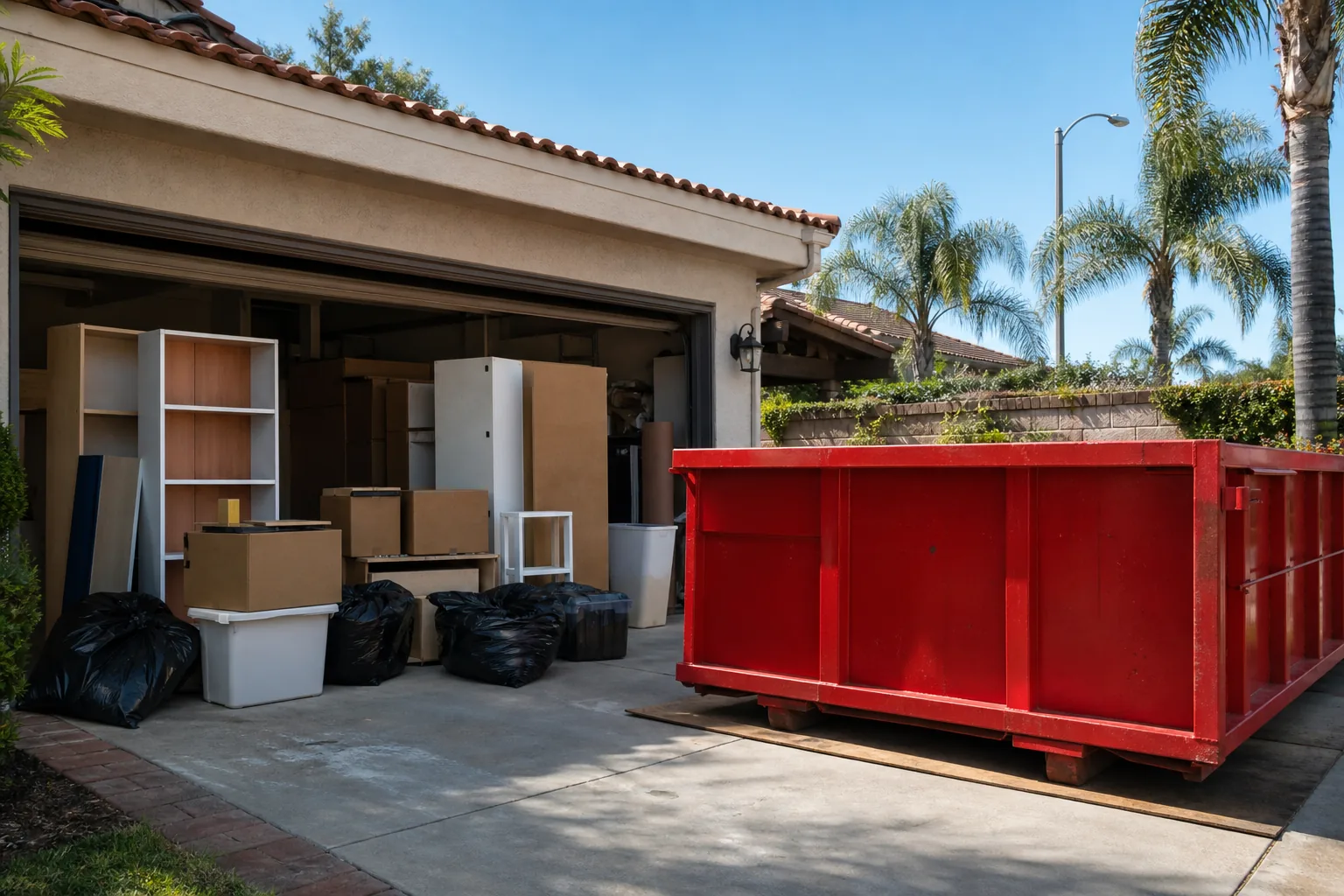
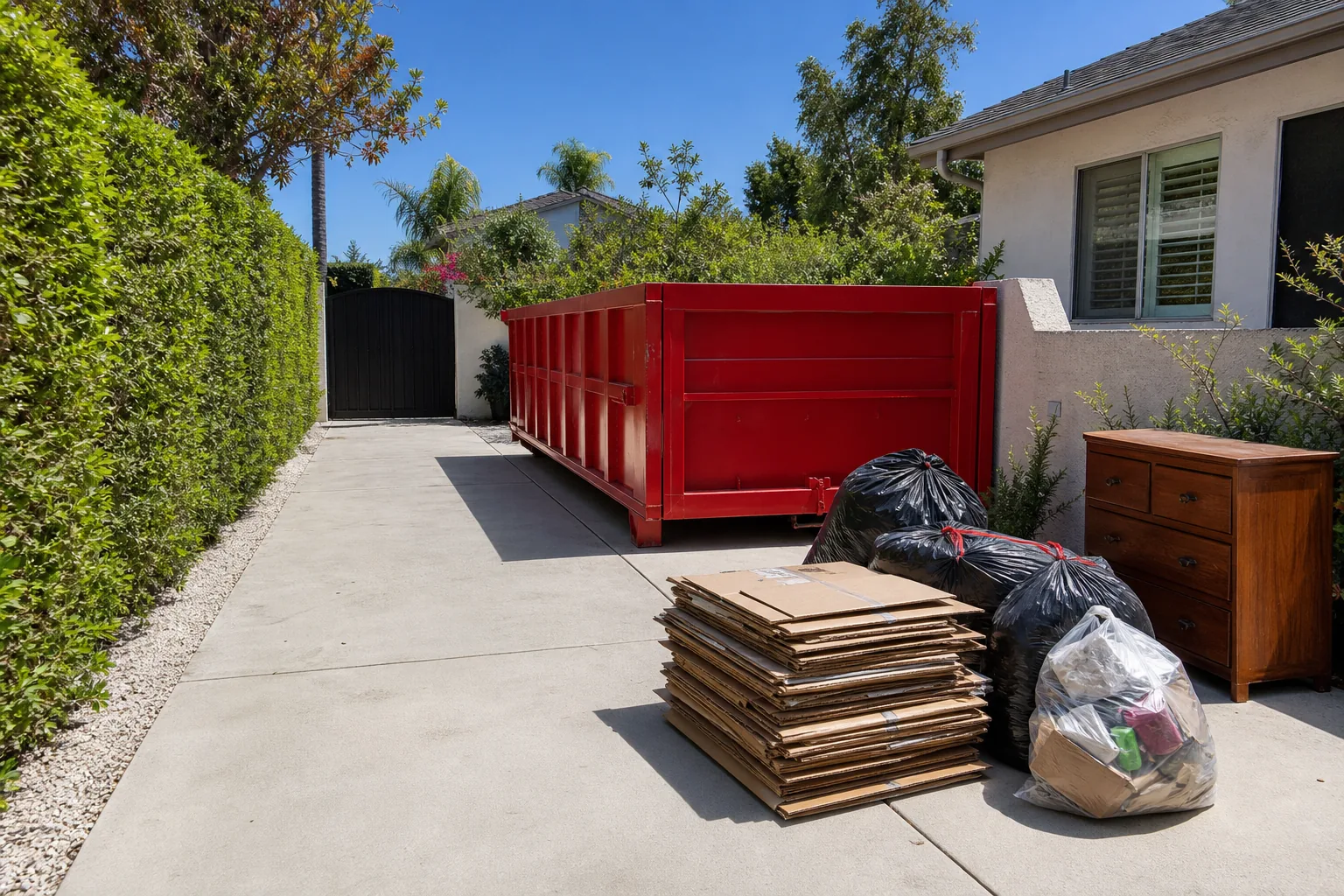
Red roll-off dumpster beside a complete organized household cleanup pile for disposal-scope planning
Price the complete pile, material, vehicle, and number of trips.

Miramar fee categories · verify before travel

Where to check each current trash and C&D rate

City waste means waste originating in the City of San Diego. Material generated elsewhere uses the non-City line. The facility determines the classification.

Tier 1 flat load

Passenger vehicles and smaller pickups

Tier 1 flat load posted refuse and construction-and-demolition fee comparison
OriginRefuseC&D
City wasteOfficial scheduleOfficial schedule
Non-City wasteOfficial scheduleOfficial schedule

Includes qualifying passenger vehicles, pickups under one-ton payload capacity, and trailers up to 9 feet when the vehicle itself is not loaded.

Tier 2 flat load

Trailer combinations and larger vehicles

Tier 2 flat load posted refuse and construction-and-demolition fee comparison
OriginRefuseC&D
City wasteOfficial scheduleOfficial schedule
Non-City wasteOfficial scheduleOfficial schedule

Includes vehicle-and-trailer combinations, loads in both vehicle and trailer, box trucks, larger trucks, and longer trailers.

Standard weighed load

Posted rates per ton

Standard weighed load posted refuse and construction-and-demolition fee comparison
OriginRefuseC&D
City wasteOfficial scheduleOfficial schedule
Non-City wasteOfficial scheduleOfficial schedule

Vehicles without a tare weight on file are charged a flat rate. Ask the facility how the actual vehicle and load will be classified.

This guide intentionally does not reproduce unverified facility prices. Open the current official schedule for general refuse, C&D, and every other applicable fee before travel.

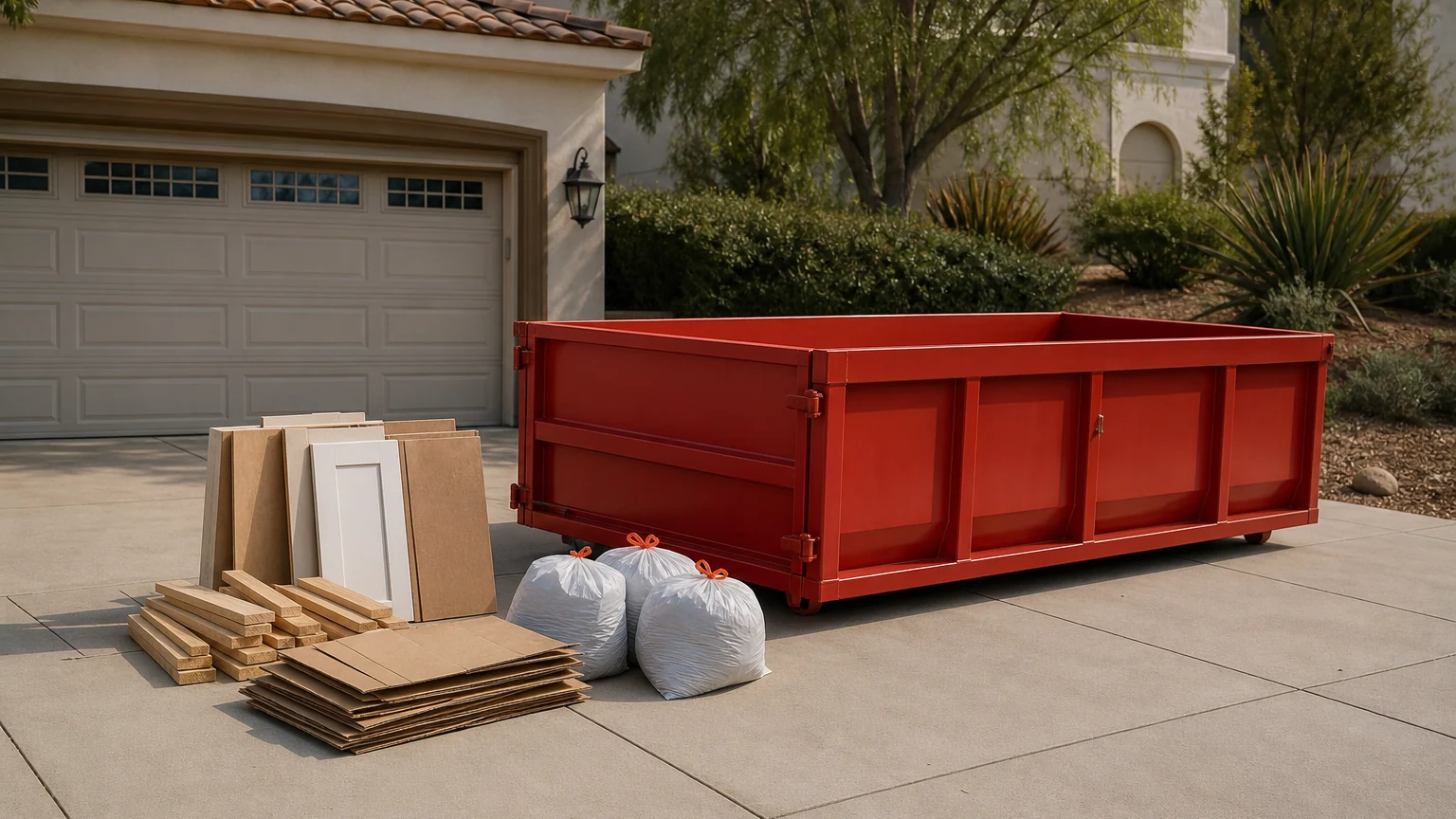
Red roll-off dumpster beside staged boxes boards cabinet panels and bagged debris for load-volume planning
Vehicle class and load configuration can change the rate path before weight is considered.

Vehicle class changes the answer

A pickup, a trailer, and a loaded combination are not always the same tier.

The official schedule defines vehicle tiers. A pickup under one-ton payload can fit Tier 1, but adding a trailer, loading both the vehicle and trailer, using a longer trailer, or arriving in a larger truck can move the load to Tier 2.

Tier 1 can include

  • Cars, station wagons, crossovers, and SUVs
  • Minivans and cargo vans
  • Pickups under one-ton payload capacity
  • Trailers up to 9 feet when the vehicle is not loaded

Tier 2 can include

  • Passenger vehicle and trailer combinations
  • Pickup and trailer combinations
  • Loads in both the vehicle and trailer
  • Box trucks, larger trucks, or trailers over 9 feet

Complete self-haul equation

The gate fee is one line—not the whole trip.

Use actual inputs. A universal self-haul total is not honest without the address, load, vehicle, facility, and number of safe trips.

01

Facility fee

Use the current rate for the actual facility, waste origin, vehicle tier, material category, and scale treatment.

02

Travel and equipment

Include fuel, mileage, a suitable vehicle or trailer, a sound cover, tiedowns, and any equipment the load truly needs.

03

Time and labor

Count sorting, loading, securing, driving, waiting, unloading, cleanup, and the physical ability required for each trip.

04

Trips and exceptions

Add another trip only when the material cannot travel in one legal, secure, accepted load. Route specialty items separately.

Planning formula

Posted facility fee + travel and equipment + time and labor + additional trips or handling = complete self-haul cost.

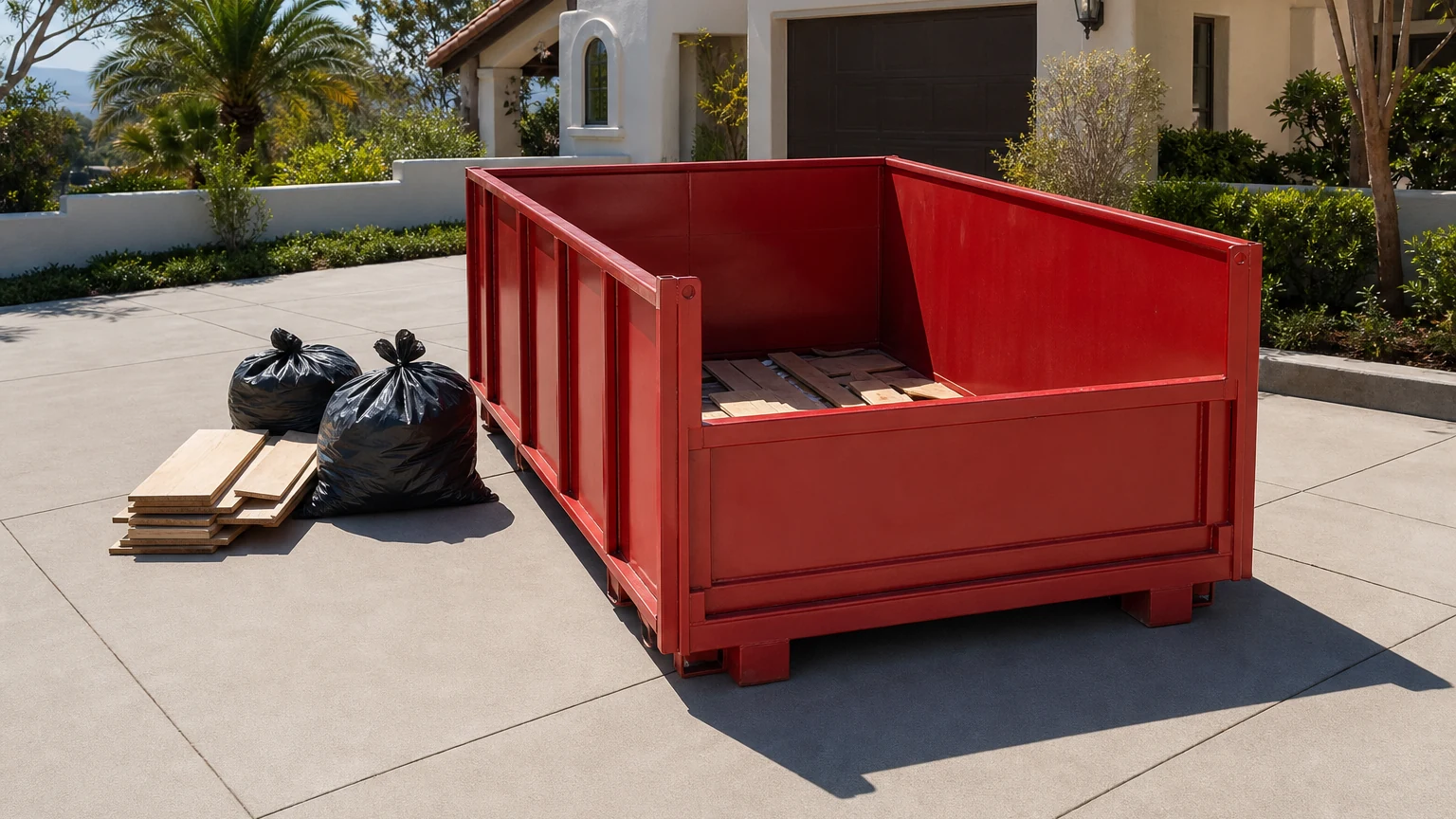
Open red roll-off dumpster with a shallow load and staged bagged material and boards ready for project-scope planning
A multi-session project can make one container more practical than repeated vehicle trips.

Self-haul, dumpster, or loading help?

Compare the same complete cleanup details.

Do not compare one landfill gate fee with a full-service quote as though they buy the same work. Decide who loads, how long cleanup takes, how many trips are required, and which materials need separate handling.

Self-haul

Facility-specific

Fits accepted material that can travel in one safe, covered load with a suitable vehicle and a confirmed place to unload.

Compare the gate charge with travel, equipment, time, unloading, and every additional trip.

Check official Miramar fees →

Self-load dumpster

$560+ starting price

Fits a project that creates debris over time, needs more than one vehicle load, or benefits from one container at the property.

Review size and included weight and days. General-debris overage is $165 per ton; each approved appliance is $75. A separate 3% processing fee applies to all card payments. No extension-day fee is listed. Ask for a written quote before the included period ends; approval depends on dumpster and pickup availability.

Compare published dumpster rates →

Loading-help cleanup

Written quote

Fits furniture, bulky items, stairs, carrying distance, disassembly, difficult access, or a deadline when labor matters.

Send wide photos, the complete item list, access details, and every specialty or regulated item.

Review junk-removal cost inputs →

Material changes the fee and route

Trash, C&D, clean concrete, green waste, and regulated material are not one category.

Sort before transport. Mixing material can change the fee, create rejection risk, or send the load to the wrong facility.

Sorted renovation debris staged for material and disposal-path review
Identify every material before choosing the fee line or disposal path.

General household refuse

Ordinary accepted nonhazardous household cleanup material. Confirm facility acceptance and keep regulated items out.

Construction and demolition debris

Drywall, lumber, cabinets, flooring, roofing, and remodel debris can use a separate posted fee category. Confirm the current official rate.

Clean heavy material

Keep concrete, dirt, asphalt, brick, stone, and tile separate. For a Haul’n Off rental, approved clean heavy material goes in the 10-yard lowboy.

Green and clean wood

Source-separated green material, fibrous greens, and clean wood use separate processing categories and acceptance rules.

Bulky items and appliances

Furniture, mattresses, and appliances can need labor, special handling, or a confirmed receiving path before transport. Haul’n Off must approve appliances in advance; each approved appliance is $75.

Hazardous or regulated material

Paint, chemicals, liquids, batteries, electronics, propane, medical waste, asbestos, and similar items need current specialty guidance.

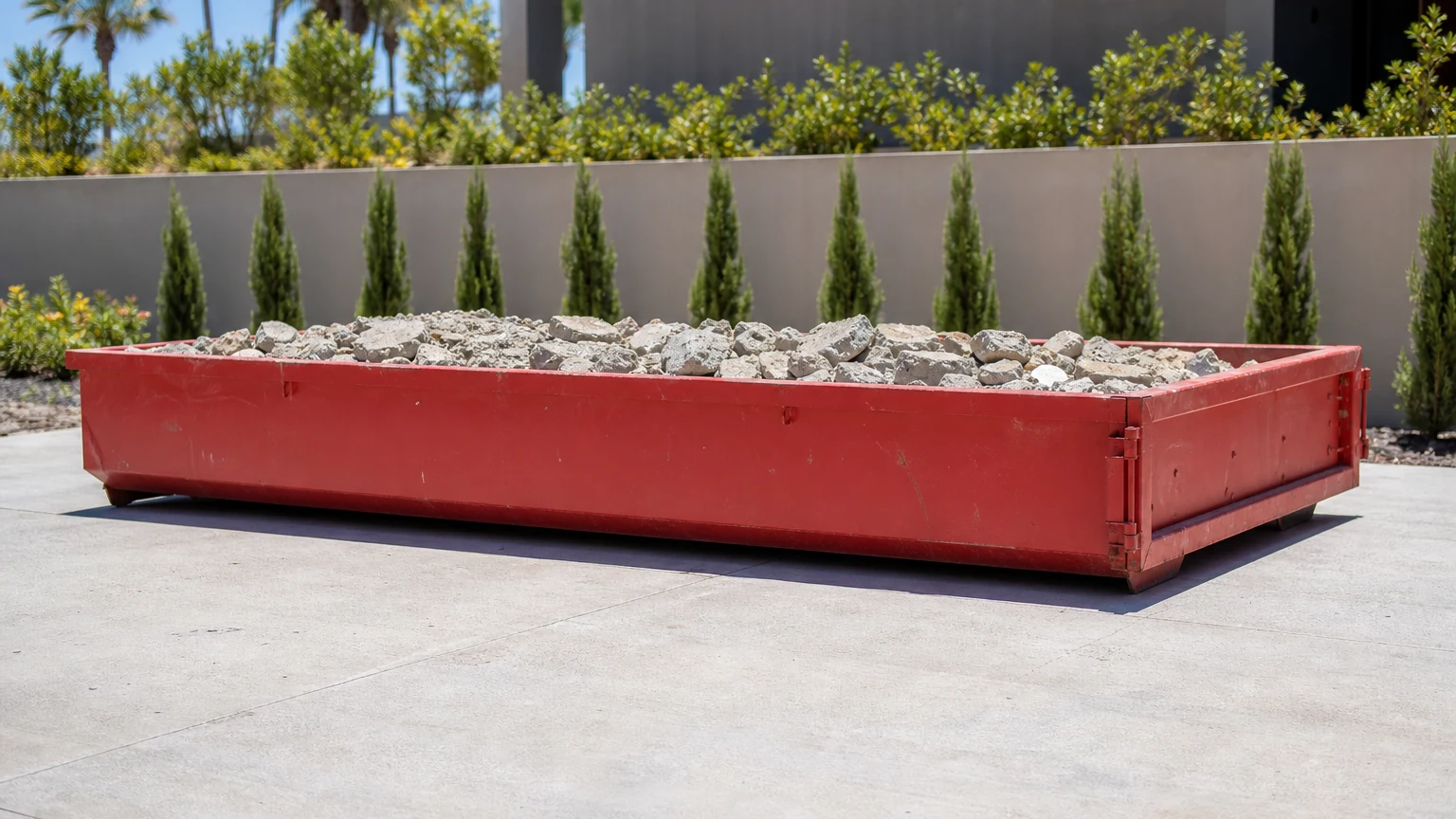
Low-profile red dumpster containing a shallow separated load of clean broken concrete
Clean dense material needs a low-profile container and a separate weight plan.

Do not guess on specialty items

Use current local disposal guidance.

Paint, chemicals, liquids, batteries, electronics, propane cylinders, medical waste, asbestos-containing material, and other regulated items may require a separate facility or program.

Open WasteFreeSD ↗

Before-you-go checklist

Confirm the trip before loading the vehicle.

✓ Confirm the facility, current hours, route, and payment method
✓ Confirm where the waste originated
✓ Identify the vehicle, trailer length, and whether both are loaded
✓ Ask whether flat-rate or weighed-load treatment applies
✓ Separate refuse, C&D, clean heavy material, green waste, and specialty items
✓ Estimate total volume, likely weight, and number of safe trips
✓ Cover and secure every loose item before travel
✓ Confirm unloading rules and the ability to unload safely
✓ Check current accepted and prohibited materials
✓ Compare a dumpster or loading-help quote when the complete self-haul scope no longer fits
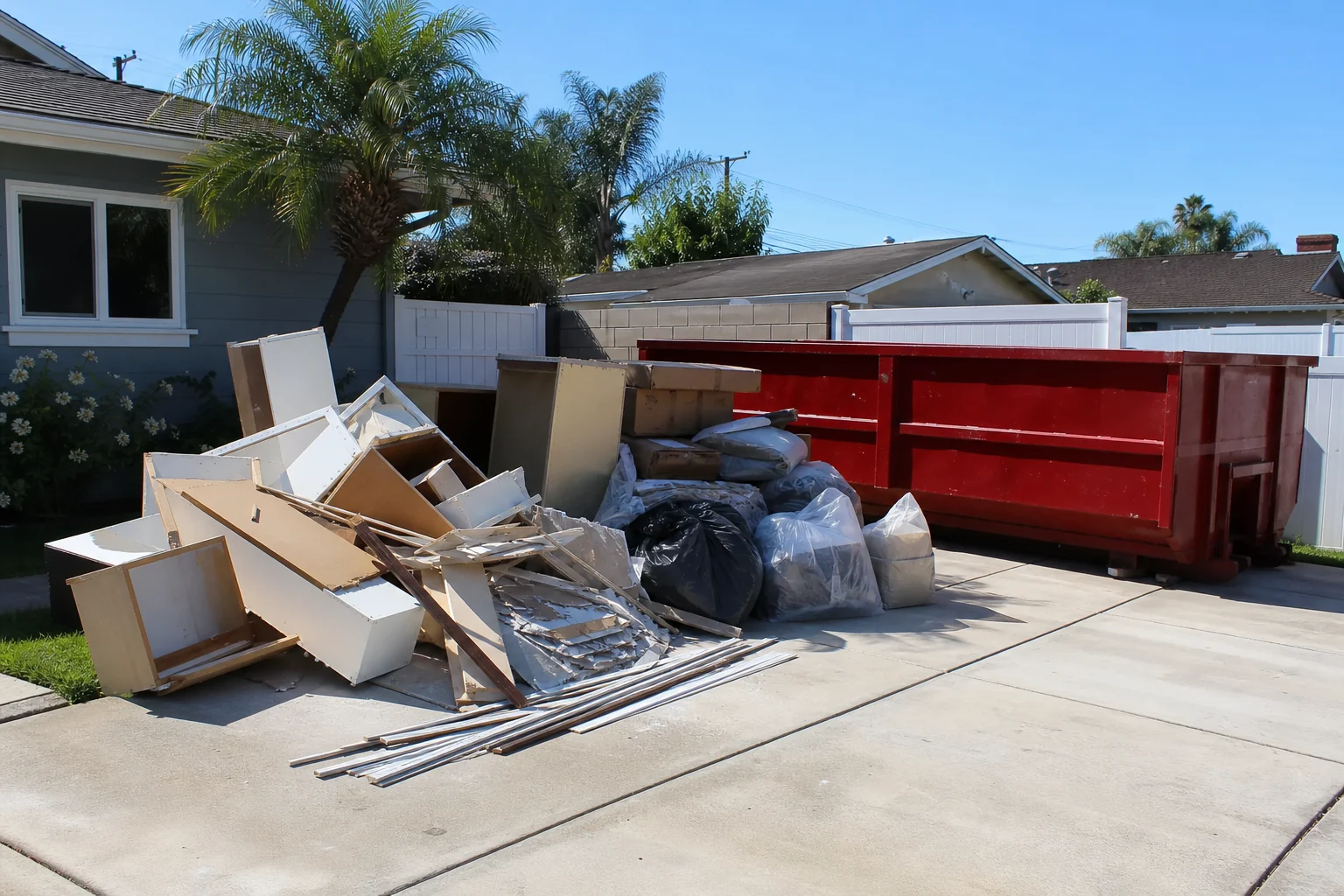
Red roll-off dumpster with cleanup material staged beside a clear access and loading lane
Organize the material and keep the loading route clear before choosing the service option.

Cover and secure every load

An uncovered or unsecured load may be subject to a facility fee. Confirm the current rule and amount on the official City fee page, use a sound cover, secure loose material, and follow current facility and road-safety rules.

Dump-fee questions

Trash disposal cost FAQ

How much does it cost to dump trash at Miramar Landfill?

Miramar disposal charges depend on waste origin, vehicle or trailer class, material category, and whether the load is flat-rated or weighed. Check the City of San Diego's current official Miramar fee page and fee schedule for the exact rate immediately before travel; this guide does not publish an unverified facility price.

How much does Miramar Landfill charge per ton?

Miramar's per-ton charges vary by waste origin and material category, including separate general-refuse and C&D lines. Check the current official City fee schedule for the exact per-ton rate and ask the facility how the load will be classified before travel.

Does a pickup truck pay a flat dump fee?

A pickup under one-ton payload capacity is listed in Vehicle Tier 1. Vehicles without a tare weight on file are charged a flat rate, while trailer combinations, loads in both the vehicle and trailer, larger vehicles, or a recorded tare can change the rate path. Ask the facility which class applies before leaving.

Does construction debris cost more to dump than household trash?

Possibly. Miramar uses separate fee lines for general refuse and C&D debris, and the current relationship between those rates must be checked in the official City fee schedule. Keep clean heavy material and regulated material separate and confirm acceptance before travel.

Is there a fee for an uncovered load at Miramar Landfill?

An uncovered or unsecured load may be subject to a facility fee. Confirm the current amount and rules on the official City fee page before travel. Cover and secure all material regardless of whether a fee applies.

Is self-hauling cheaper than renting a dumpster?

Not automatically. Compare the facility fee with fuel, mileage, vehicle or trailer access, covering supplies, loading and unloading time, number of trips, material acceptance, and schedule risk. A dumpster can fit a multi-session project; loading-help junk removal can fit bulky items or difficult access. Compare the same complete job details.

Can I dump hazardous waste, electronics, batteries, or paint with regular trash?

Do not assume so. Paint, chemicals, liquids, batteries, electronics, propane cylinders, medical waste, asbestos-containing material, and other regulated items may require separate handling or a different facility. Use the current facility rules and WasteFreeSD before transporting them.

What should I confirm before making a dump run?

Confirm the facility, hours, waste origin, vehicle or trailer tier, tare treatment, material category, estimated weight, accepted and prohibited items, covering requirements, unloading rules, payment method, and current fee schedule. If the load is large or needs labor, also compare a written dumpster or junk-removal quote.

One trip, one container, or loading help?

Send the real pile and project details.

Share the address, wide photos, every material, estimated volume and weight, who will load, access, timing, and placement. Haul'n Off can review the cleanup path and written project terms.