
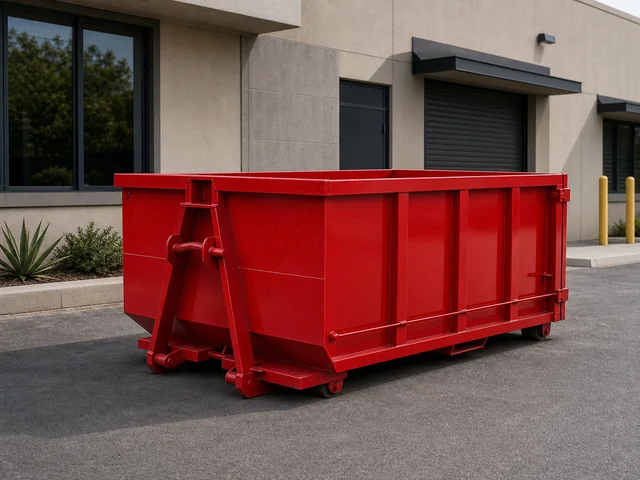
15 Yard Dumpster
11.5 L x 5 ft H x 8ft W
Starting price
$560
Smaller cleanouts, one-room projects, bathroom remodels, and light debris.
- Included weight
- 1 ton
- Rental window
- 1 day
Clearing a Perris workshop, turning over a home, stripping a roof, or removing hardscape? Describe what is on the ground now. A container for bulky shelving and household goods is not the container for dirt, block, or broken concrete.
Share the Perris address, project use, complete material list, pile dimensions, private placement surface, road-to-pad photos, and preferred dates. Include trailers, equipment, fences, animals, or work activity that could change access before pickup.
Image-backed size guide
The price list shows the starting price, included weight when stated, and rental window. Your quote confirms the right dumpster for your debris, address, access, and timing.
11.5 L x 5 ft H x 8ft W
Smaller cleanouts, one-room projects, bathroom remodels, and light debris.
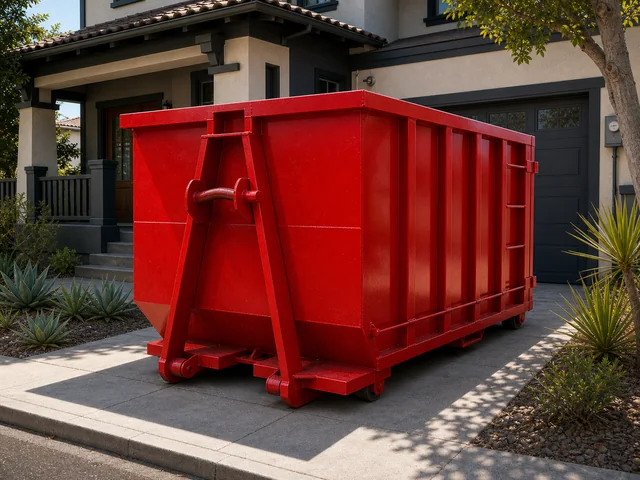
11 L x 6 ft H x 8ft W
Kitchen or bathroom remodels, roofing, larger cleanouts, and many construction jobs.
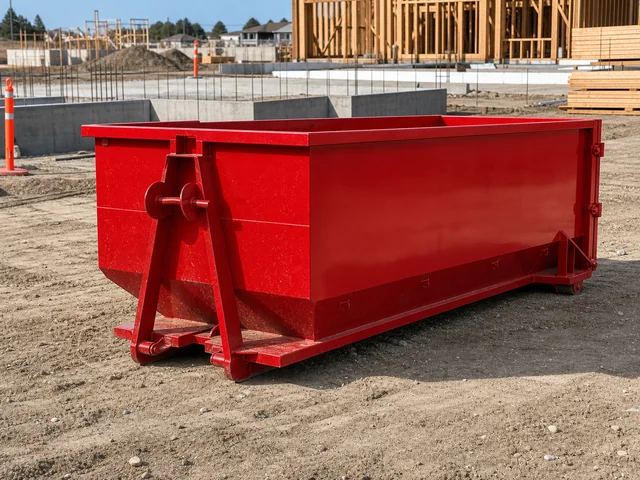
18 L x 6.5 ft H x 8ft W
Whole-home projects, estate cleanouts, large remodels, and bulky property cleanup.
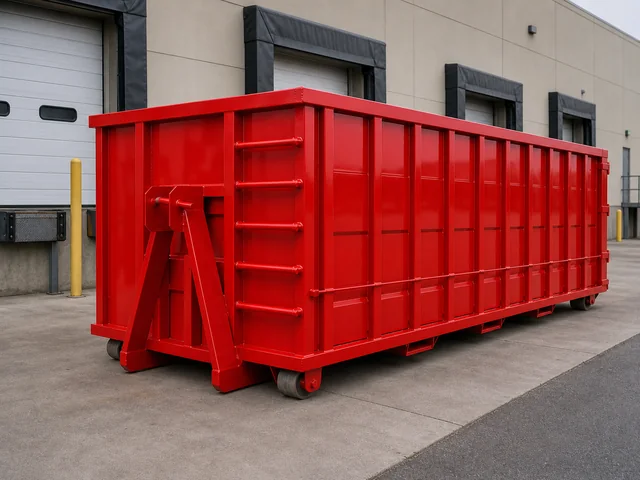
18 L x 7.5 ft H x 8ft W
Large jobs with bulky but lighter debris, such as cleanouts, remodels, or building work.
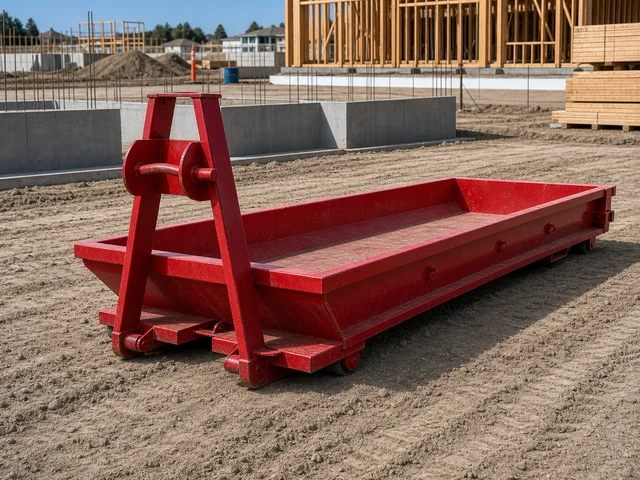
18 L x 2 ft H x 8ft W
One clean material per dumpster: concrete, dirt, asphalt, brick, block, stone, pavers, or tile. Never mix them.
General-debris weight above the included allowance is $165 per ton. The price list does not show an included-ton allowance or overage amount for the lowboy. Ask for the current quote and terms before ordering.
Project matching
Perris requests can come from a residential garage, a larger parcel, a compact downtown property, or a working contractor site. Each scenario needs its own debris inventory and a lane that remains usable after the container is set.
Describe Your ProjectSort benches, shelving, wood offcuts, packaging, broken furniture, and ordinary non-hazardous shop clutter. Remove prohibited liquids, chemicals, batteries, tires, and e-waste before anything is moved toward the dumpster.
Stage furniture, closet contents, rugs, garage boxes, toys, and light repair debris by category. Keep donation and resale items outside the loading route so the final volume remains easy to see.
List office furniture, display fixtures, counters, carpet, ceiling material, drywall, and contractor packaging. Coordinate the private loading zone around neighboring entrances, shared parking, and regular business access.
Quote one phase at a time using roof layers, lumber lengths, sheathing, drywall, and packaging estimates. Keep stockpiles and equipment out of the roll-off approach so later retrieval is not boxed in.
Common project materials
Do not load
No hazardous waste, paint or liquids, batteries, propane tanks, tires, e-waste, medical waste, or asbestos. Appliances require approval before loading. Ask before loading an item if its material is uncertain.
Delivery, placement, and pickup
A wide-looking Perris lot can still have soft ground, a narrow gate, overhead obstructions, or equipment in the return path. Downtown and neighborhood jobs introduce different constraints, so every quote should start with current site photos.
Check 01
For a Perris Valley address, document pavement or compacted surface, soft shoulders, drainage dips, gate posts, wires, trees, trailers, and turning room. Choose a stable private spot reached without crossing an unknown surface.
Check 02
Show cul-de-sac geometry, parked cars, mailbox clusters, garage doors, and the proposed driveway pad. Check any property or community instructions and arrange vehicle moves for both ends of the rental.
Check 03
Separate private loading space from sidewalks, curb parking, alleys, and shared access. Protect neighboring storefronts and pedestrian routes; a public-space option needs its own City check before it becomes the plan.
Check 04
Mark a route that material deliveries, skid steers, temporary fencing, crew parking, and excavations will not consume. Review that lane at each project phase instead of assuming the original access remains open.
Local project areas
Neighborhood names help orient the page; the exact address, placement, access, material, and current project details determine the next step.
Questions before ordering
A workshop filled with shelving, lumber, and bulky clutter needs a different quote from one holding dense masonry or prohibited automotive material. Current starting prices are 15 Yard Dumpster $560, 20 Yard Dumpster $675, 30 Yard Dumpster $900, 40 Yard Dumpster $975, 10 Yard Lowboy $771. General-debris weight above the included allowance is published at $165 per ton. A separate 3% processing fee applies to all card payments. The Perris quote confirms the reviewed debris, size, included terms, site access, and dates. Do not use the starting price as a promise that every workshop load qualifies.
A 15-yard is a practical comparison for a focused room or smaller garage pile. The 20-yard can handle more furniture and household volume, while a 30-yard may fit a broad multi-room turnover with bulky light material. Group and photograph the actual discard pile before deciding.
Do not assume bare ground is a usable set-down surface. Send photos of the complete approach and pad, including drainage dips, ruts, slope, soft shoulders, gates, and the truck’s exit. The placement must be reviewed before size, delivery, or pickup is confirmed.
Use an approved private area and keep storefront doors, shared parking, walkways, and service access open. If the intended location reaches a street, curb lane, sidewalk, alley, or other public area, check the City’s process before scheduling the rental.
Dirt, soil, rock, stone, concrete, asphalt, brick, block, pavers, and tile are prohibited in 15-, 20-, 30-, and 40-yard general-debris dumpsters. A clean, reviewed heavy-material load may go only in the 10-yard lowboy. Never mix heavy material with general debris. Measure and photograph the clean pile, and disclose rebar, wood, roots, trash, or other contamination before the lowboy is quoted.
Do not load hazardous waste, paint or liquids, chemicals, fuel, oil, solvents, batteries, propane or pressurized cylinders, tires, electronics or e-waste, medical or biohazard waste, or asbestos. Appliances require approval before loading and cost $75 per appliance. Keep every approved load below the fill line and inside the container walls. Workshop liquids, automotive batteries, tires, and electronics should be removed during sorting, not left for the loader to discover later.
Home, workshop, or active site?
Provide the Perris address, pile measurements, material photos, job phase, surface and access views, site conflicts, and dates. The team can review the correct published dumpster and quote the project details.
Page updated