
CLEAR01
House, garage, and move-out clearing
Count sofas, beds, rugs, shelves, boxes, cabinets, and long pieces. The largest objects can decide the footprint before the bag count does.
Compare cleanup options →Project · Material · Footprint · Route
Compare San Ysidro dumpster rentals for a house cleanout, remodel, roof, construction phase, storefront cleanup, or heavy debris. Send the address and load list so the project, placement, and timing can be reviewed together.
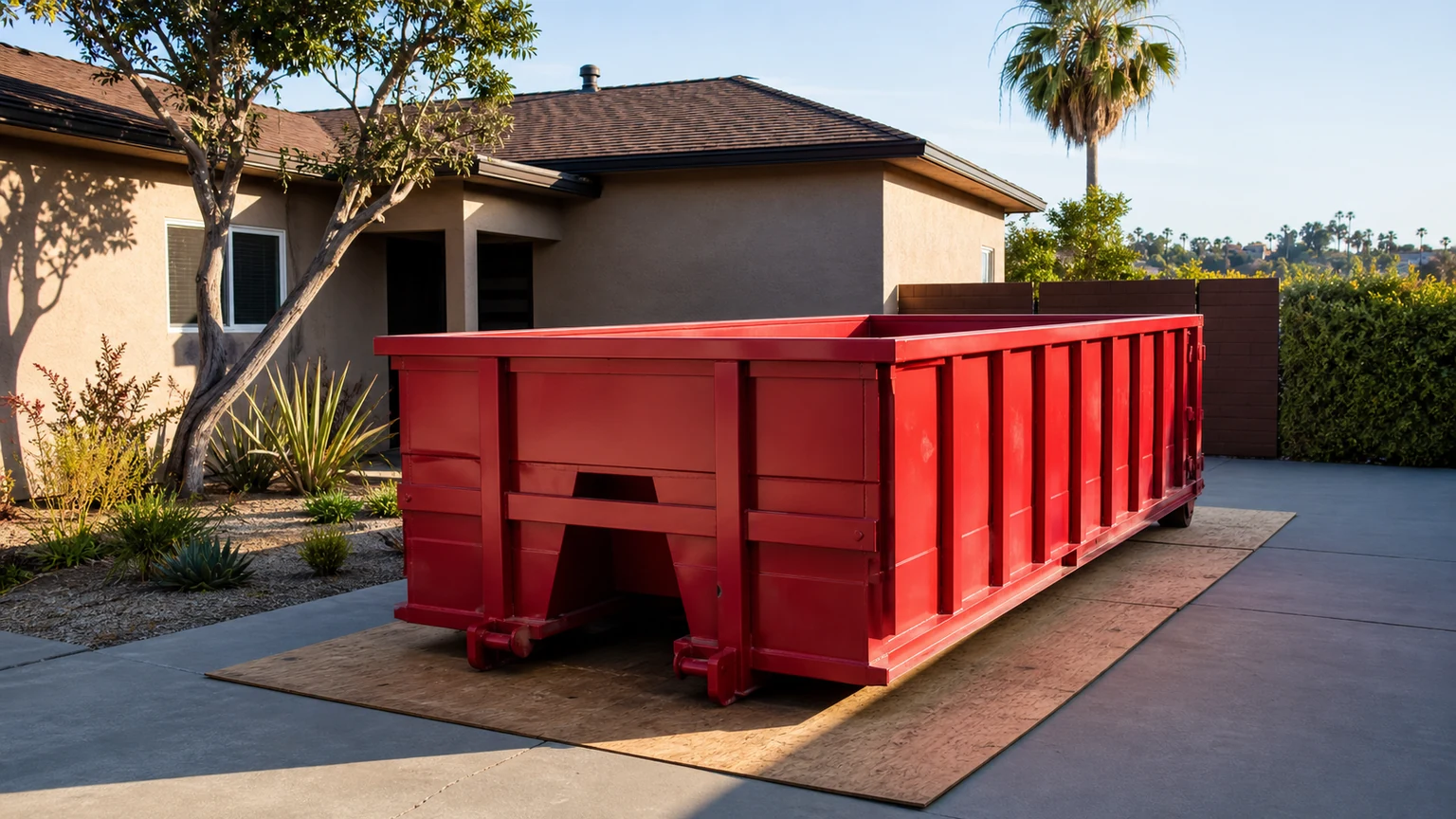
Include the address, job, debris, pile size, placement idea, access limits, and preferred dates. The request starts a review. It does not book a dumpster or confirm service, size, price, timing, delivery, pickup, or City approval.
A project label is only the start. Count the bulky pieces, name the dense material, and split the work into phases when the debris will change.
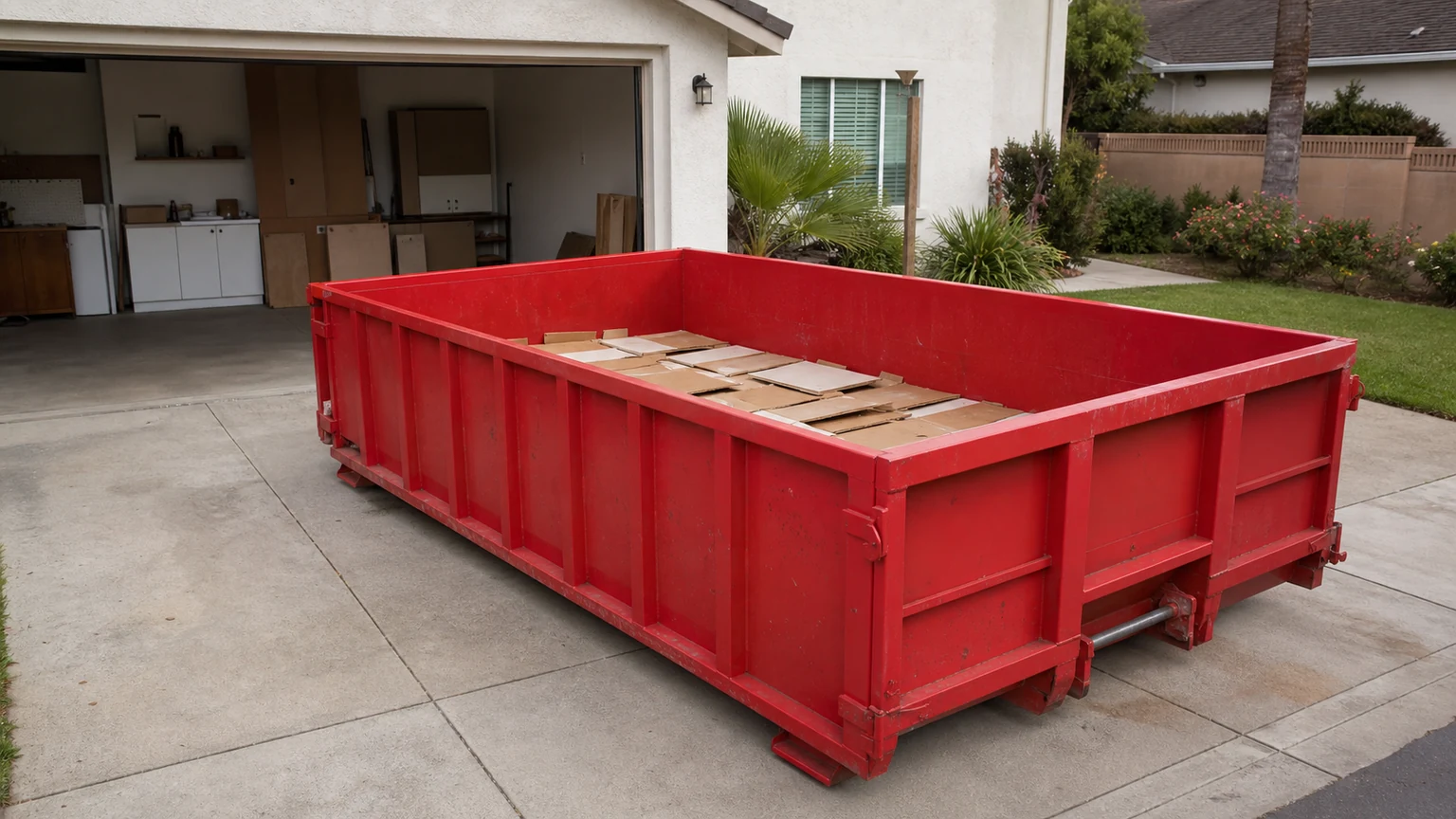
Count sofas, beds, rugs, shelves, boxes, cabinets, and long pieces. The largest objects can decide the footprint before the bag count does.
Compare cleanup options →List cabinets, counters, fixtures, drywall, flooring, and packaging. Keep tile, concrete, stone, soil, and every dense material on a separate heavy-material list.
Plan remodel debris →Share roof area, material, and layers. Add decking, shingles, underlayment, stucco, siding, fencing, or windows. Put every roof-tile piece on the separate heavy-material list.
Review construction planning →Name the active phase. List lumber, drywall, fixtures, framing scraps, packaging, masonry, and every heavy component.
Compare temporary rentals →Count fixtures, shelving, displays, flooring, boxes, and construction debris. Note loading lanes, gates, customer access, and the pickup path.
See roll-off guidance →Separate branches, brush, and fencing from dirt, soil, rock, stone, concrete, asphalt, brick, block, pavers, tile, and every other dense material.
Open the lowboy guide →Use the image, dimensions, and common uses together. Then check the weight, placement area, gate, and work lanes before a final size is confirmed.
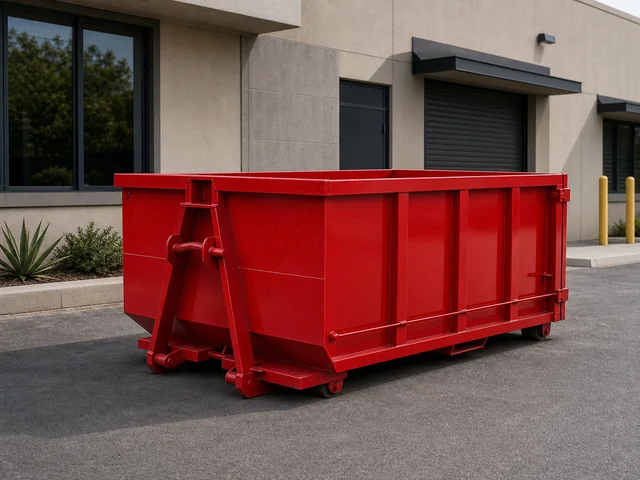
11.5'L × 8'W × 5'H
One room, a garage, a storage area, or a smaller yard pile.
Open Size Guide →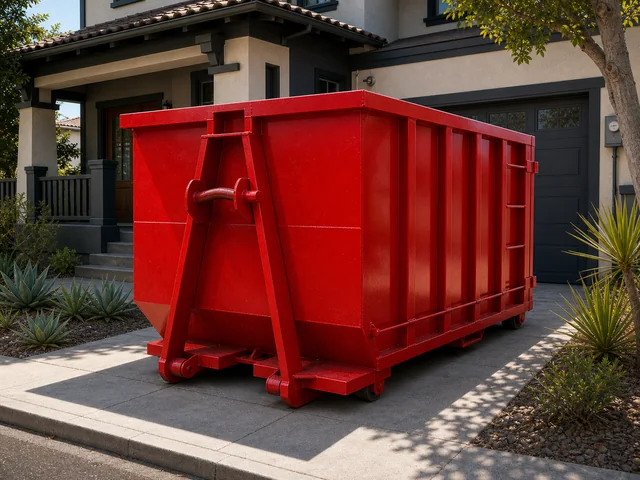
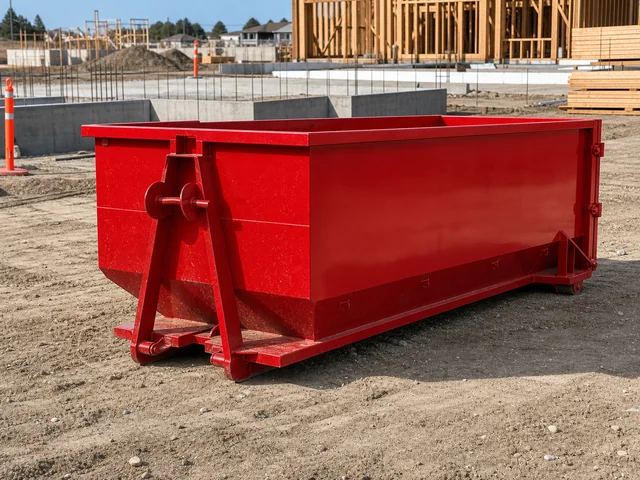
18'L × 8'W × 6.5'H
Bulky furniture, a larger property cleanout, or steady contractor debris.
Open Size Guide →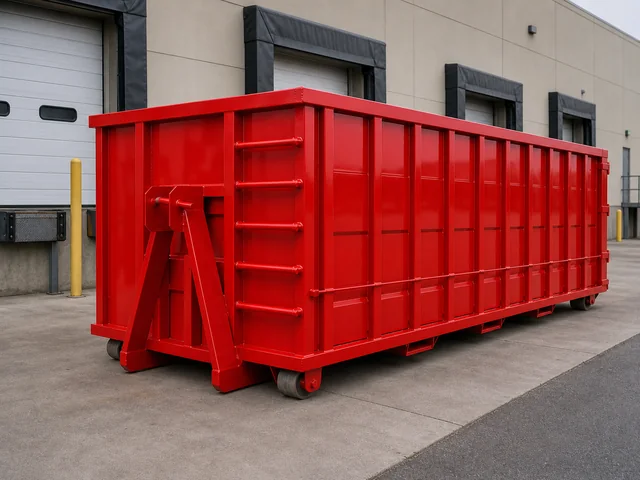
18'L × 8'W × 7.5'H
High-volume lighter material from a major cleanout or construction phase.
Open Size Guide →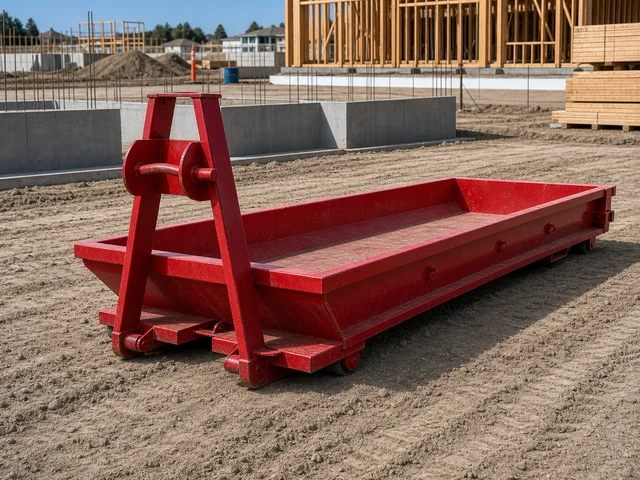
18'L × 8'W × 2'H
A reviewed, clean, separate load of eligible dirt, soil, rock, stone, concrete, asphalt, brick, block, pavers, or tile.
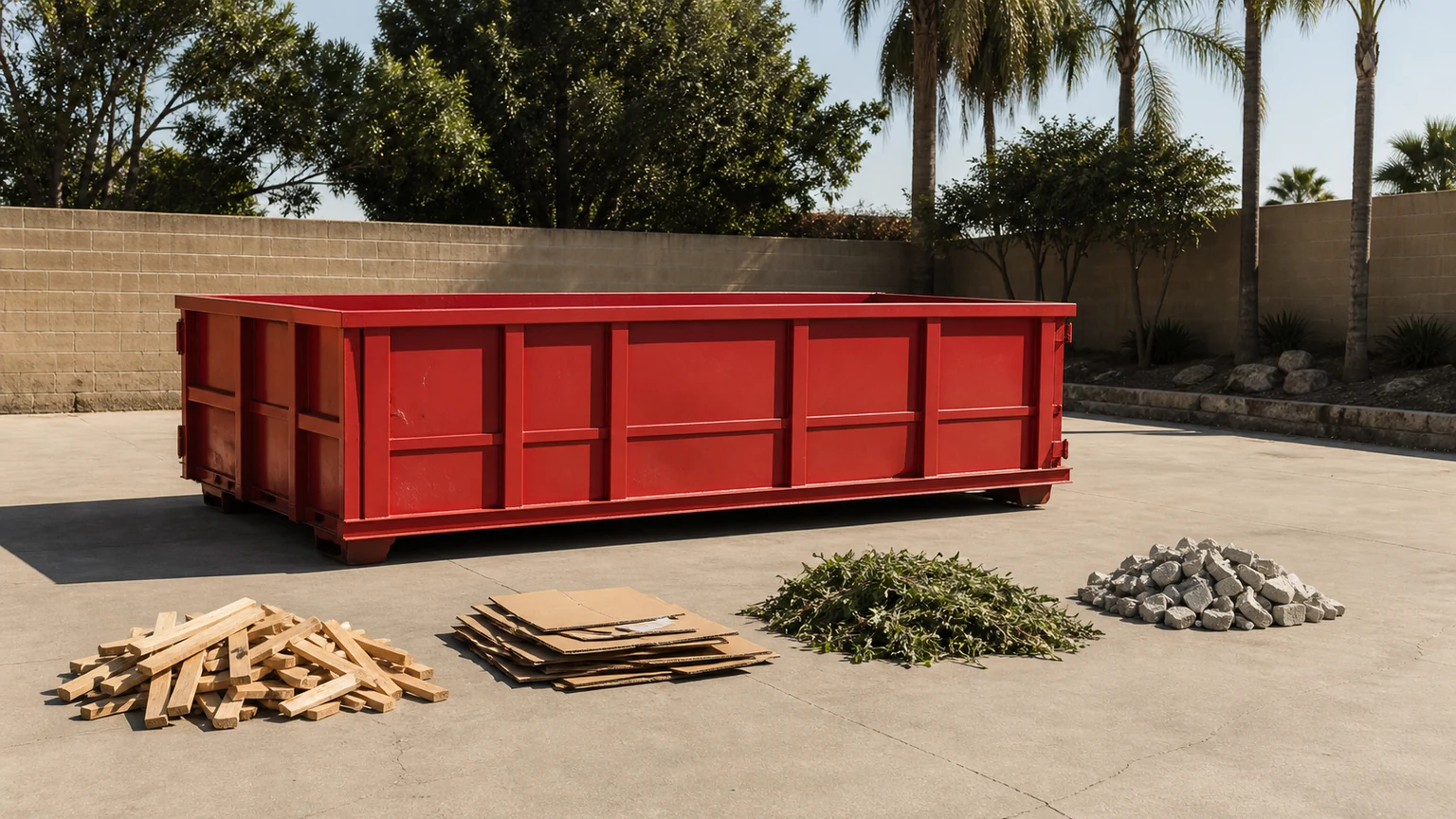
Open Size Guide →A mixed pile can hide a heavy or prohibited item. Separate ordinary cleanup debris, construction material, plants, and dense material before requesting a size.
 Review the Full Material Guide →
Furniture, rugs, boxes, shelves, cabinets, doors, and ordinary non-hazardous cleanup debris.
Count long and oversized pieces. Keep every object inside the container walls and below the top rail.
Drywall, short lumber, flooring, fixtures, roofing, siding, stucco, and packaging.
Name dense pieces before they are mixed. List every tile piece separately; after review, tile may go only in the 10-yard lowboy.
Branches, brush, and fencing are different from dirt, soil, rock, stone, concrete, asphalt, brick, block, pavers, and tile.
Keep heavy material clean and separate. After review, that load may use only the 10-yard lowboy.
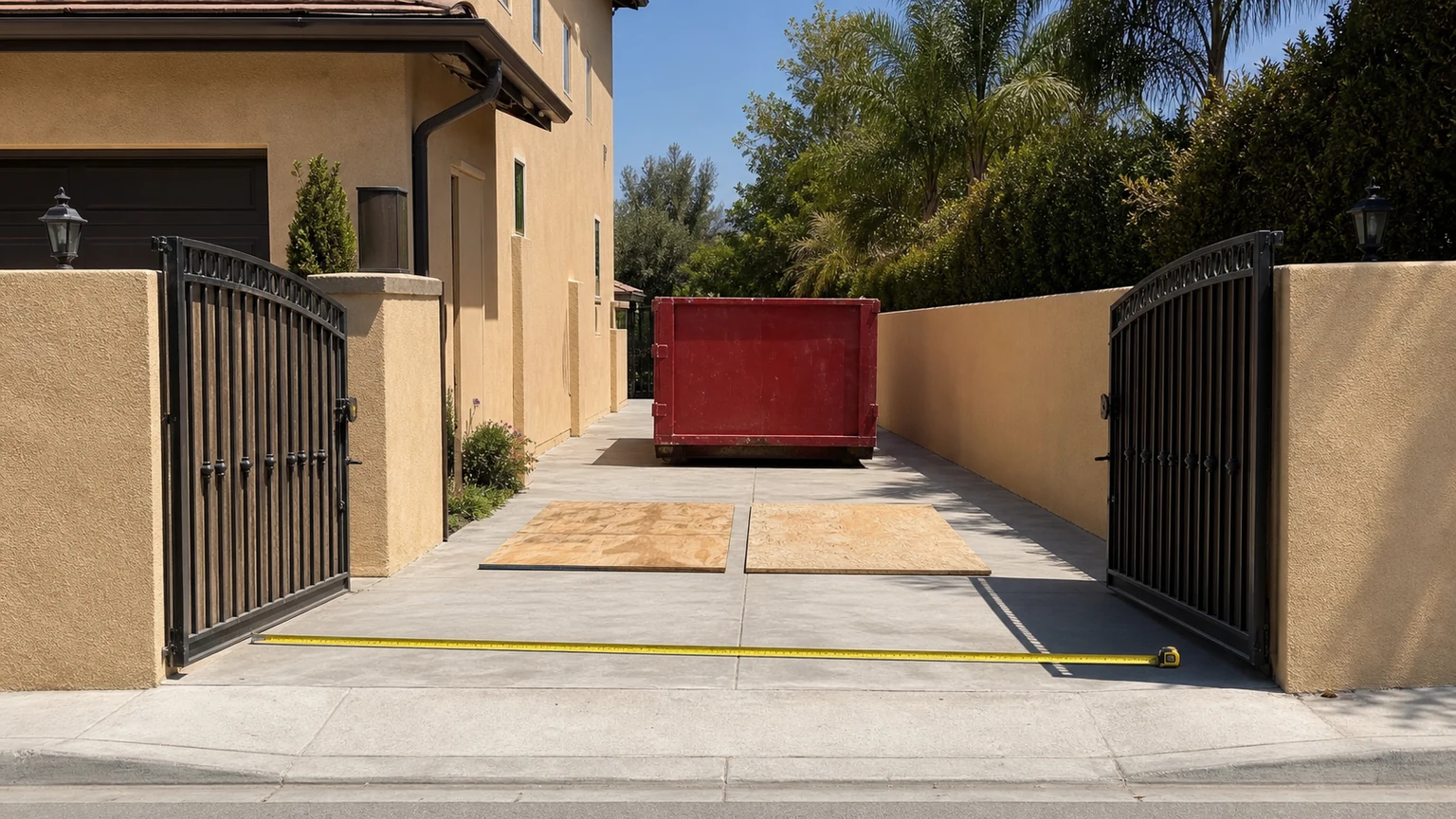
Walk from the street or alley to the proposed spot, then turn around and inspect the return route. One gate, dip, wall, or parked vehicle can matter more than the open area at the end.
Show the curb, parked vehicles, lane width, slope, and direction of travel near the address.
Measure the clear gate or driveway width with moving parts fully open. Include posts, hinges, and controls.
Photograph the sharpest turn from both directions and include walls, planters, parked cars, and corners.
Mark steep sections, dips, crests, curb cuts, and the transition into the proposed set-down area.
Note walls, roof edges, branches, wires, lights, and anything that narrows the working space.
Record usable length, width, surface, nearby doors, work lanes, and the route that must remain open.
A yard number cannot set the total by itself. The debris, weight, address, access, placement, and schedule belong in the same request.
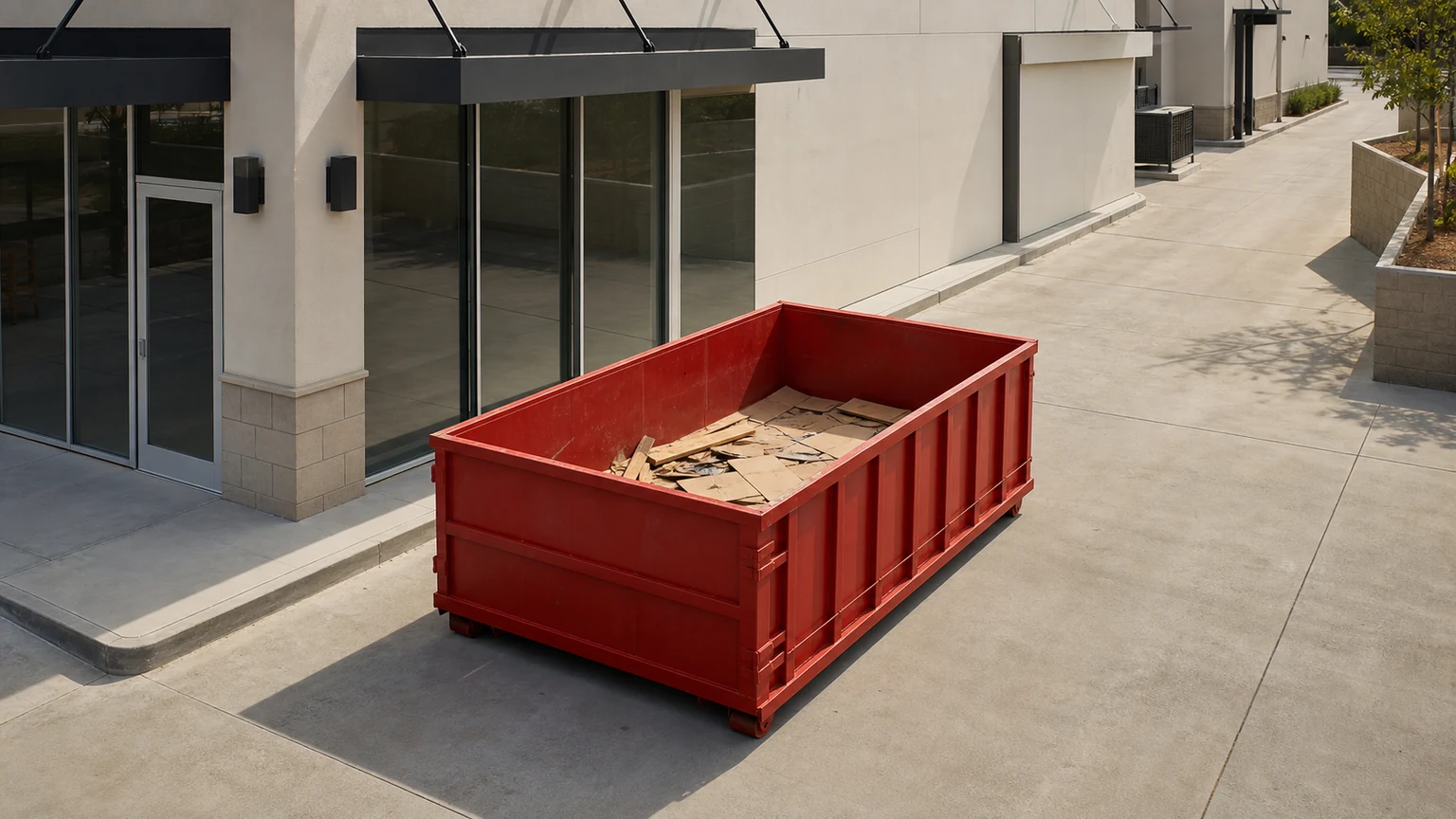
San Ysidro is part of the City of San Diego. The City's community plan describes older homes, newer urban and infill housing, and commercial activity along San Ysidro Boulevard and Camino de la Plaza. Those contexts change the questions—not the need for an address review.
Open the City Community Plan ↗
Measure the driveway, side access, walls, gates, and the space residents still need during the work.
Check shared access, compact parking, building rules, loading areas, and the lane that must stay open.
Coordinate the proposed dumpster spot with tenant work, customer access, loading areas, and the path that must stay clear for pickup.
Record gates, loading areas, scheduled deliveries, property contacts, and the exact proposed spot.
Use the exact proposed spot. A quote request is not property permission, a City permit, or a placement approval.
A private spot may still need owner, landlord, manager, association, fire-access, or project approval. Send the exact address and photos. A quote request is not permission to place.
The City of San Diego says a Traffic Control Permit is required when a temporary dumpster encroaches into the public right-of-way. Use the current City sources for the process and placement criteria.
The route that worked before loading must still work afterward. Finish the load, sweep the area, and restore the full approach.
Keep every item inside the walls and below the rail. Do not add a last-minute material that was not part of the review.
Remove loose pieces from around the container and keep doors, gates, walks, and work zones usable.
Move vehicles, tools, pallets, deliveries, and temporary barriers. Unlock the gate and keep the approach clear.
City and community boundaries change placement questions. Use the local page tied to the delivery address.
Photograph the pile from two sides. Mark the longest and widest objects, count the rooms or storage zones, and note what cannot be taken apart. Add the address, proposed spot, gate width, and date range. Those facts make the five container footprints easier to compare.
Break the work into the debris that leaves during each phase. Give the room or roof area, layers, and materials. List cabinets, counters, roofing, decking, stucco, and masonry. Tile must stay separate and go in a reviewed 10-yard lowboy.
Include the work address, current phase, debris list, volume estimate, date range, and proposed dumpster spot. Point out service gates, loading areas, customer or resident paths, scheduled deliveries, and the path the truck will need for pickup.
Start with the exact material and pile dimensions. Eligible dirt, soil, rock, stone, concrete, asphalt, brick, block, pavers, and tile must stay clean and separate. After review, the 10-yard lowboy is the only option shown for that heavy load. General-debris containers are not used for it.
Each group creates different size and weight questions. Write one list for household items, one for building debris, one for plants, and one for dirt or masonry. Do not combine the lists until the load has been reviewed. Send a photo of anything hard to identify.
Hazardous materials, paint, liquids, chemicals, fuel, oil, solvents, batteries, propane or other pressurized cylinders, tires, electronics and e-waste, medical and biohazard waste, and asbestos are prohibited. Appliances require Haul'n Off approval before loading. Leave an uncertain item out and send a photo. Approved appliances cost $75 per appliance.
Measure the smallest clear opening and the usable placement rectangle. Photograph the approach, every turn, grade change, wall, branch, wire, door, and parked vehicle. Take a final view from the proposed spot back toward the street or alley.
The City of San Diego requires a Traffic Control Permit when a temporary dumpster encroaches into public right-of-way. Streets, alleys, parking areas, and sidewalks can fall in that category. Check the current City permit page and Information Bulletin 718. The form on this page does not approve the spot.
The container footprint, material type, expected weight, and rental length set the starting questions. The address, approach, gate, surface, and date range add site details. General-debris weight above the included allowance is $165 per ton. We’ll confirm the price for any extra time in writing. Another trip or different debris can also change the final quote.
Haul'n Off receives the full name, phone, email, address, project note, debris, access details, and preferred dates. The team reviews that information before confirming whether the job fits, which size applies, what it costs, or when delivery and pickup could occur.
Send the address, project, debris list, placement idea, route notes, and preferred dates. Haul'n Off reviews those details before confirming service, size, price, timing, delivery, or pickup.
Start My Quote Request →Page updated